MWE Correspondent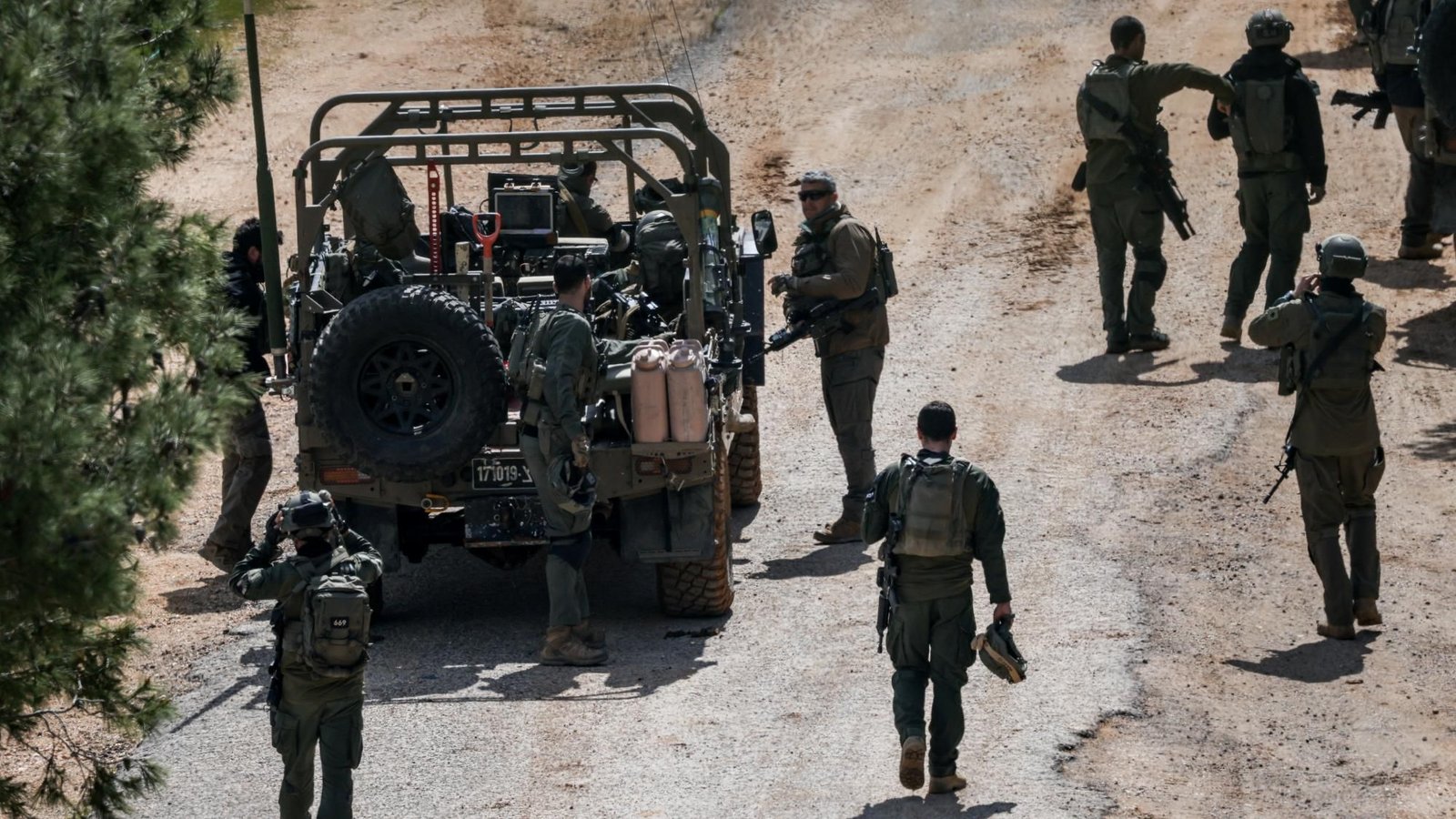
Tensions in the Middle East have taken a sharper turn after Israel confirmed it is expanding military operations targeting positions in both Iran and Lebanon, in what officials describe as a move to counter growing security threats.
On Monday, Israeli army spokesperson Effie Defrin said the operations are ongoing and focused on what he called “strategic military targets.” Among the locations mentioned were sites linked to Iran’s naval command structure, which Israel believes play a role in coordinating regional military activities.
According to Defrin, the strikes are based on intelligence assessments and are intended to disrupt operations that could pose risks to Israeli security. While such claims are difficult to independently verify, they reflect a long-standing pattern of tension between Israel and Iran, where both sides have frequently accused each other of escalating instability across the region.
At the same time, Israeli forces have widened their ground operations in southern Lebanon. The area has for years been a flashpoint due to the presence of armed groups opposed to Israel, making it one of the most sensitive border zones in the region. Israeli officials say the expansion is aimed at limiting threats and preventing potential cross-border attacks.
For many observers, this dual-front approach signals a shift toward a more assertive posture. Analysts note that Israel has increasingly expressed concern over Iran’s influence beyond its borders, particularly through alliances with groups operating in neighboring countries. These concerns have often translated into preemptive or retaliatory military actions.
Also Read; US Military Identifies Six Airmen Killed Iraq Cras
Despite the strong statements from Israel, there has been limited immediate response from authorities in Iran or Lebanon regarding the reported strikes. This silence leaves many questions unanswered, including the scale of the damage and the potential for retaliation.
The broader international community is watching closely. In past situations like this, even limited military actions have had the potential to trigger wider confrontations. With multiple actors involved and tensions already high, the risk of escalation remains a key concern.
What makes the current situation especially delicate is how interconnected these conflicts have become. A strike in one location can quickly influence dynamics elsewhere, drawing in regional allies and increasing the stakes for all sides involved.
For now, Israel maintains that its actions are necessary to protect its national security. However, as operations continue across borders, the situation highlights a deeper and more complex reality — one where military decisions are closely tied to broader geopolitical rivalries.
As events unfold, the key question remains whether these developments will stay contained or evolve into a larger regional crisis, something that both local populations and the international community are eager to avoid.