MWE Correspondent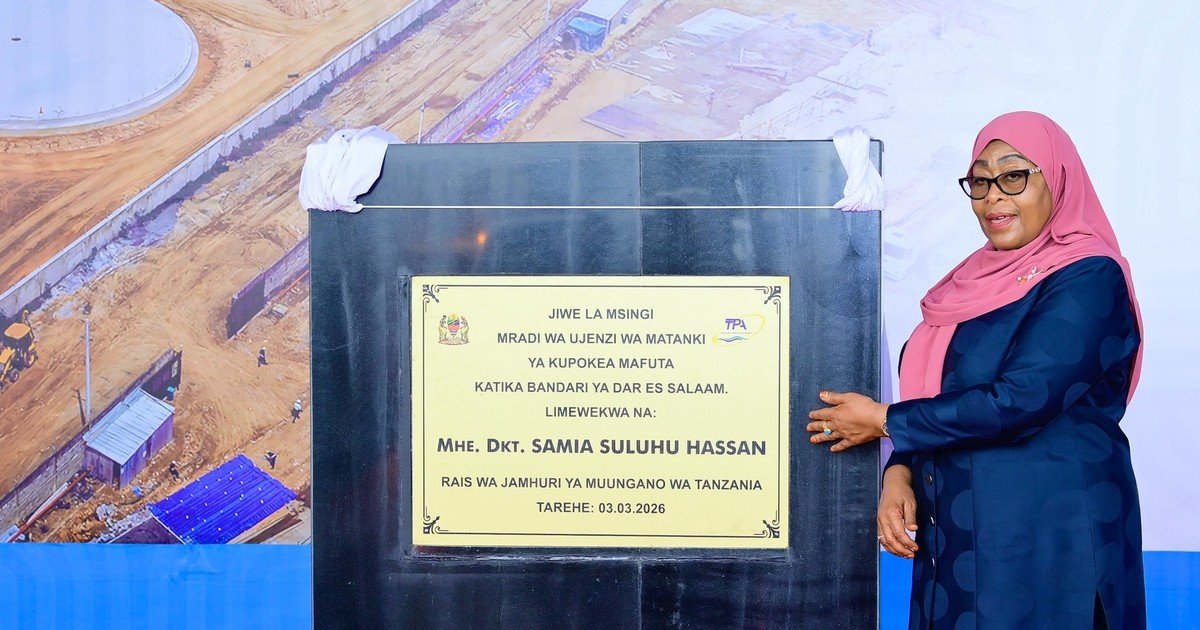
Tanzania has begun work on a major fuel infrastructure project that is expected to transform the way petroleum products are received and stored at the country’s busiest maritime gateway.
Authorities say the new development at the Port of Dar es Salaam will significantly improve the efficiency of fuel imports while strengthening the nation’s energy security.
The project, valued at approximately $274 million (about TZS 701.8 billion), involves the construction of 15 modern oil storage tanks near the port. Once completed, the facility will dramatically increase the country’s capacity to store petroleum products arriving by sea, including diesel, petrol and aviation fuel.
Officials overseeing the initiative say the additional infrastructure will expand the port’s fuel handling capacity by nearly 36 percent, allowing Tanzania to process larger shipments more efficiently. The expansion is seen as an important step in addressing long-standing logistical challenges that have sometimes slowed the movement of fuel through the port.
The new tanks are expected to hold a combined storage capacity of roughly 378,000 cubic metres, providing the country with a larger strategic reserve of petroleum products. According to government planners, this will help stabilize the domestic fuel supply and reduce the risk of shortages caused by delays in shipments or disruptions in global markets.
One of the most immediate benefits of the project is expected to be the reduction in waiting time for fuel tankers arriving at the port. In recent years, vessels carrying petroleum have sometimes had to remain offshore for as long as three weeks before they could unload their cargo.
With the new storage facilities and improved offloading systems, authorities believe that waiting times could drop to around one week, significantly speeding up the process of receiving and distributing fuel.
Long delays at ports often result in what the shipping industry calls demurrage charges, additional costs that shipping companies impose when vessels are forced to wait longer than scheduled. In many cases these charges can reach about $25,000 per day, increasing the overall cost of fuel imports and ultimately affecting retail fuel prices.
By expanding storage and improving port logistics, officials say Tanzania hopes to reduce such costs and ensure a more stable fuel supply chain for the national economy.
The expansion also reflects the government’s broader ambition to strengthen the role of the Port of Dar es Salaam as a regional trade hub along the western edge of the Indian Ocean. The port already serves not only Tanzania but also several landlocked countries in East and Central Africa that depend on it as a vital gateway to global markets.
Also Read; Dar es Salaam Enforces Market Road Safety Measures
Energy experts note that improvements in fuel storage and distribution infrastructure could enhance Tanzania’s position in regional trade and logistics networks. Countries such as Zambia, Rwanda, Burundi and parts of the Democratic Republic of the Congo rely heavily on transport corridors connected to Dar es Salaam for the import of fuel and other essential goods.
Construction work on the tanks began in August 2024, and early engineering stages—including ground preparation and foundation work—have already been completed. The entire project is expected to take several years, with authorities aiming for full operational capacity before the end of the decade.
Government planners believe the investment will not only modernize fuel infrastructure but also support Tanzania’s long-term economic development goals. By improving the reliability and efficiency of petroleum imports, the country hopes to strengthen its position as a key energy and logistics hub for the wider East African region.
As global energy markets continue to shift and demand for fuel grows across Africa, projects like this are increasingly viewed as critical for ensuring stable supply chains and supporting economic growth. For Tanzania, the expansion of fuel storage at its main port represents both a practical solution to current logistical challenges and a strategic investment in the country’s future role in regional trade.