MWE Correspondent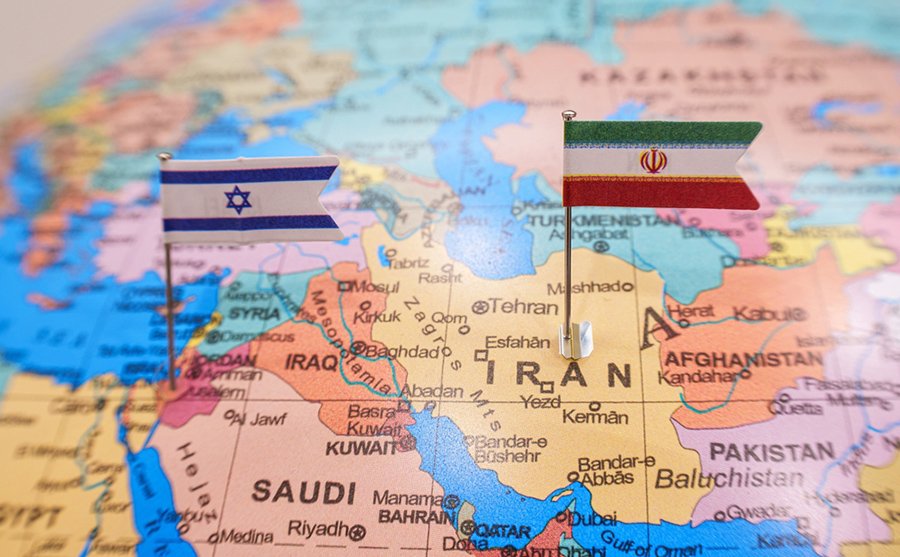
Global anxiety is rising as tensions in the Middle East deepen following direct military exchanges between the United States, Israel and Iran — a confrontation that is reshaping alliances and forcing governments worldwide to clarify their positions.
What began as targeted strikes has quickly evolved into a broader geopolitical crisis. Washington and Tel Aviv confirmed coordinated attacks on strategic Iranian facilities, describing the operation as necessary for regional security. Tehran, however, condemned the strikes as acts of aggression and a violation of its sovereignty. The situation escalated dramatically after senior Iranian leaders were reportedly killed, including Supreme Leader Ali Khamenei — a development that has sent shockwaves through the Islamic Republic and beyond.
Within hours, Iran responded with missile strikes aimed at American military installations located in Gulf countries. Iranian officials insisted the attacks were directed exclusively at foreign military targets and not neighboring states. Still, governments across the Gulf expressed alarm, warning that any expansion of the conflict could destabilize the region’s fragile security balance.
The crisis has exposed clear divisions among global powers.
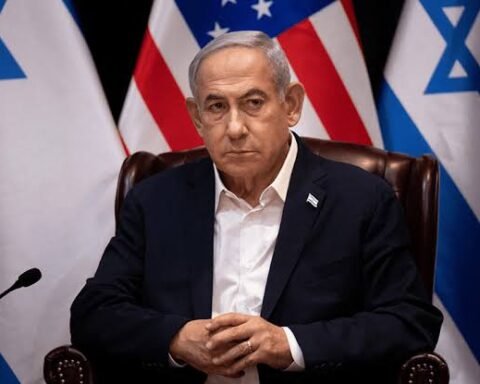
In South Asia, Indian Prime Minister Narendra Modi moved quickly to engage diplomatically. He held telephone conversations with Israeli Prime Minister Benjamin Netanyahu and United Arab Emirates President Mohammed bin Zayed Al Nahyan. Modi expressed “deep concern” over the unfolding events and emphasized the safety of Indian citizens working across the Gulf region. India’s Foreign Ministry later urged all parties to exercise maximum restraint, signaling New Delhi’s preference for dialogue over confrontation.
Across Europe, leaders adopted a cautious tone. British Prime Minister Keir Starmer clarified that the United Kingdom would not participate in direct offensive operations against Iran, though it has permitted defensive cooperation with Washington. Officials in London referenced past military interventions as lessons underscoring the risks of prolonged conflict.
The European Union called for immediate de-escalation. European Commission President Ursula von der Leyen reiterated that international law must be respected and stressed that civilian lives should remain the highest priority. While Europe has maintained sanctions on Iran in recent years, Brussels appears determined to prevent a broader regional war.
Meanwhile, the Gulf Cooperation Council convened an emergency session. Member states warned Tehran against further strikes and vowed to protect critical infrastructure. Energy analysts note that any disruption in the Gulf could have far-reaching consequences for global oil markets, potentially triggering price volatility and supply chain disruptions worldwide.
Also Read; US Military Aircraft Crashes in Kuwait, Crew Survives
On the other side of the diplomatic divide, China and Russia voiced strong criticism of the U.S. and Israeli actions. Chinese President Xi Jinping condemned the strikes as violations of sovereignty and called for urgent diplomatic engagement. Russian President Vladimir Putin also criticized the escalation, warning that the conflict risks undermining global stability.
Beyond official statements, humanitarian organizations have expressed concern about civilian safety, particularly in densely populated urban areas and around strategic infrastructure. International observers warn that further retaliation could draw additional regional actors into the confrontation, widening the conflict far beyond its initial scope.
For now, diplomatic channels remain open. Behind closed doors, mediators are reportedly working to prevent a spiral into full-scale war. Yet with rhetoric hardening and military assets on high alert, the coming days will be critical.
The Middle East has long been a crossroads of global power politics. This latest confrontation underscores how quickly local hostilities can reverberate across continents — affecting energy supplies, financial markets, and international security.
Whether the crisis leads to prolonged instability or a renewed push for negotiations will depend largely on the willingness of leaders to step back from the brink. For millions watching worldwide, the hope remains that diplomacy, not destruction, will shape the next chapter.