MWE Correspondent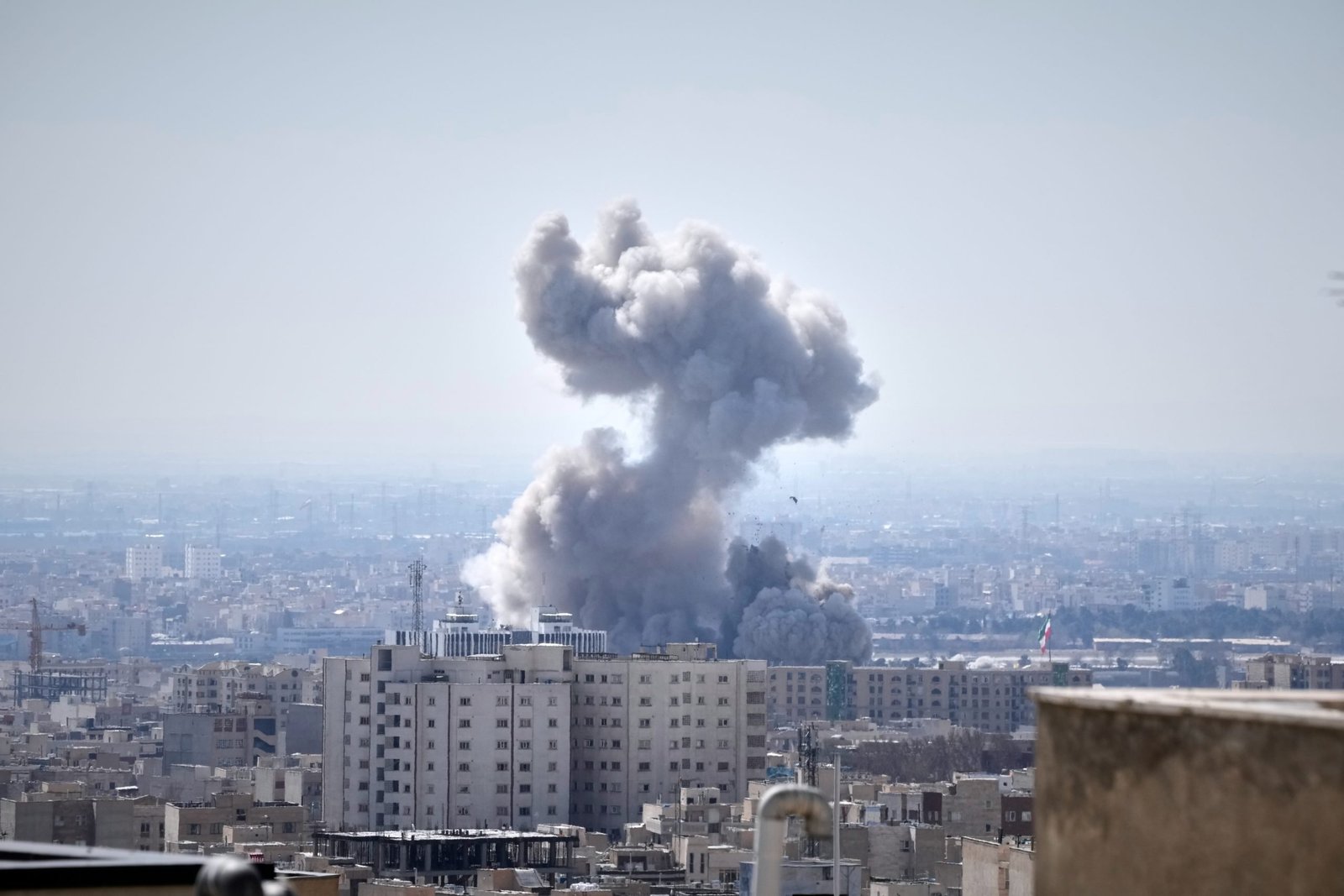
A new and dangerous phase of military escalation is unfolding across the Middle East, as Israel intensifies operations in Lebanon and the United States confirms extensive airstrikes inside Iran.
The latest developments have heightened fears of a broader regional conflict, with multiple flashpoints now active at the same time.
Israeli forces continued air operations in southern Lebanon, targeting what military officials described as militant infrastructure and weapons sites. The exchanges along the Israel-Lebanon border have grown increasingly frequent over recent months, raising concerns that long-standing tensions could spiral into sustained confrontation. Southern Lebanon has historically been a sensitive zone, shaped by complex political and military dynamics that often reflect wider regional rivalries.
In a separate and alarming incident, a drone reportedly targeted the U.S. Embassy in Riyadh, the capital of Saudi Arabia. Security systems were activated in response, according to officials familiar with the matter. While authorities have not publicly detailed the extent of damage or potential casualties, the event underscores the widening geographic scope of the crisis.
Meanwhile, the U.S. military announced that it has struck approximately 1,250 targets across Iran since Saturday. Officials described the campaign as a coordinated effort aimed at degrading military infrastructure, weapons systems and strategic facilities. The scale of the operation represents one of the most significant direct military actions by Washington against Tehran in recent years.
President defended the decision to authorize the strikes, stating that the action was necessary to address escalating threats and to safeguard both American and allied interests. In remarks delivered from Washington, he emphasized that the military response followed intelligence assessments pointing to growing instability in the region.
The cumulative toll of the strikes has been severe. Preliminary figures suggest that more than 600 people have been killed in Iran and Lebanon since the latest wave of attacks began. Hospitals in affected areas are reportedly overwhelmed, with emergency responders struggling to manage the influx of casualties. Civilian infrastructure, including residential neighborhoods and public facilities, has also sustained damage
Read More: Saudi Arabia Denies Lobbying Trump to Attack Iran
Analysts warn that the involvement of multiple countries increases the risk of miscalculation. The Middle East has long been defined by overlapping alliances, proxy conflicts and fragile ceasefires. Any further escalation could draw additional regional actors into the crisis, compounding humanitarian and economic consequences.
Diplomatic channels are reportedly active, with international leaders urging restraint and calling for immediate de-escalation. However, with military operations ongoing and rhetoric intensifying, prospects for a swift resolution remain uncertain.
For civilians across Iran, Lebanon and neighboring states, the situation is marked by anxiety and unpredictability. As airstrikes continue and political leaders exchange warnings, the region stands at a critical juncture. Whether the current escalation evolves into a wider confrontation or gives way to renewed diplomacy may depend on decisions made in the coming days.