MWE Correspondent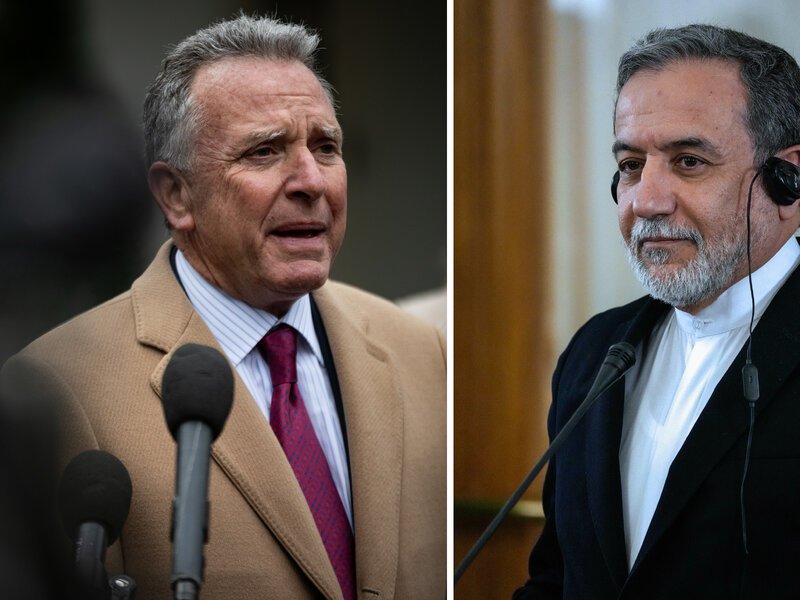
The United States and Iran are engaging in direct talks in Switzerland on Wednesday, in a high-stakes effort to prevent escalating tensions in the Middle East from spiraling into a wider conflict.
The discussions aim to address security concerns, curb potential nuclear threats, and establish a framework for de-escalation after weeks of rising regional tensions.
U.S. Vice President JD Vance highlighted that Washington possesses evidence indicating Iran may be pursuing weapons of mass destruction. Speaking ahead of the talks, he emphasized the urgent need to prevent Tehran from advancing any programs that could destabilize the region. “Our priority is the safety of the region and the prevention of new conflicts,” Vance said. “Diplomacy is our first tool, backed by credible evidence and a readiness to act if necessary.”
The meetings in Switzerland come as the United States strengthens its military presence in countries bordering Iran, signaling both deterrence and support for regional allies. Military deployments have been increased in the Gulf and strategic locations to reassure partners and reduce the risk of miscalculations that could ignite hostilities.
Diplomatic sources note that the talks will focus on several critical issues, including Iran’s nuclear and missile programs, regional influence, and compliance with international obligations. Both Washington and Tehran have emphasized the importance of open dialogue, describing the discussions as “essential to maintaining stability and preventing misunderstanding.”
Also Read; Tz, Issues Public Alert: Rising Cases of Influenza and Dengue
Analysts warn that while diplomacy is central, the stakes are high. Any failure to reach agreement could have significant consequences, not just for U.S.-Iran relations but for global security and energy markets. “What happens in these talks will reverberate across the region and the world,” said a Geneva-based security expert. “Allies, trade partners, and regional actors are watching closely, and even small missteps could escalate tensions rapidly.”
This round of talks follows a period of heightened rhetoric and warnings, with both sides signaling firm positions while maintaining a willingness to negotiate. Observers note that the outcome will likely shape the trajectory of U.S.-Iran relations for months, if not years, and may influence broader Middle Eastern diplomacy.
While officials on both sides maintain a cautious tone, the meetings in Geneva reflect a global recognition that dialogue remains the most viable path to reducing tensions, averting conflict, and safeguarding international security.