MWE Correspondent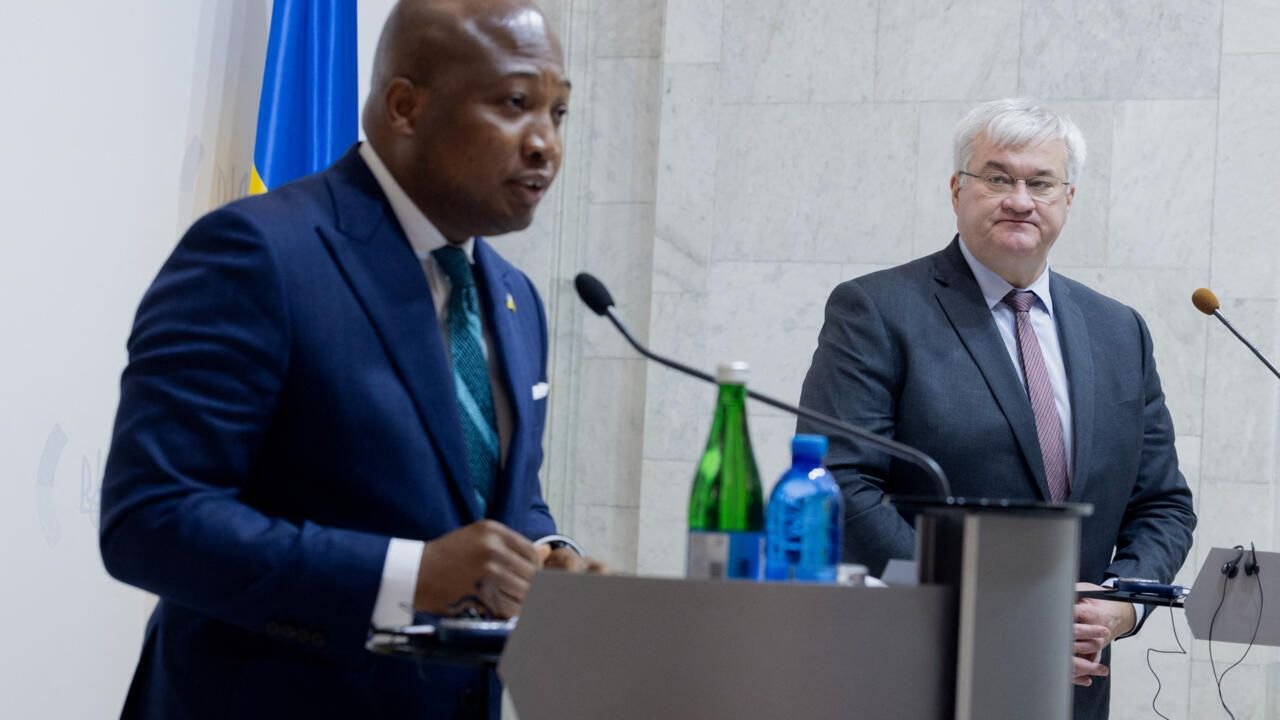
Ghana’s Foreign Minister Samuel Okudzeto Ablakwa made a rare and urgent diplomatic visit to Ukraine on Wednesday, pressing President Volodymyr Zelensky to secure the release of two Ghanaian citizens who were captured while reportedly fighting alongside Russian forces.
The visit signals Accra’s determination to protect its nationals caught in one of the world’s most complex and dangerous conflicts.
During talks in Kyiv, Minister Ablakwa emphasized that the welfare and safety of Ghanaian citizens abroad is a top priority for his government. He called for immediate humanitarian access to the prisoners and urged all diplomatic channels to be used to ensure their safe and swift return. “The protection of our citizens is paramount,” he said. “We are fully committed to working with Ukraine, international partners, and humanitarian organizations to secure their safe release in line with international law.”
The two Ghanaians reportedly joined Russian forces in eastern Ukraine, where fighting remains intense, and their capture has raised questions about the involvement of foreign nationals in the conflict. Human rights organizations have stressed that all prisoners of war must be treated according to the Geneva Conventions, and Ghana’s intervention reflects a growing need for neutral governments to engage diplomatically in complex conflict zones.
Experts say Ghana’s direct engagement is unusual but necessary. While Ghana has largely maintained a neutral stance in the Russia-Ukraine war, the government’s proactive measures highlight its responsibility to protect citizens abroad, regardless of the circumstances. “This is a clear demonstration that Ghana will not sit idle when its nationals are at risk,” said a regional foreign affairs analyst. “The situation also underscores the legal and moral challenges nations face when citizens participate in foreign conflicts.”
Also Read; Tz, Issues Public Alert: Rising Cases of Influenza and Dengue
President Zelensky received Minister Ablakwa and the Ghanaian delegation with assurances that Kyiv would review the case carefully and explore all diplomatic options. While no release timeline has been set, Ukraine indicated it would liaise with relevant parties, including international organizations, to handle the matter responsibly.
The incident also underscores the modern complexities of warfare, where foreign volunteers and mercenaries increasingly blur traditional lines of engagement. Governments like Ghana’s must balance neutrality with the responsibility to protect their citizens, a challenge made more urgent as conflicts extend far beyond their borders.
Humanitarian agencies have urged transparency, adherence to international law, and safe treatment of detainees. Families and the public have been advised to remain patient as diplomatic negotiations continue. Meanwhile, international observers are watching closely, recognizing that Ghana’s intervention could set a precedent for how nations respond when citizens are detained in global conflict zones.
The case has drawn international attention, highlighting the intersection of diplomacy, human rights, and the complexities of modern warfare. For Ghana, it is a test of the country’s ability to navigate high-stakes diplomacy while protecting its citizens thousands of miles from home.