Joseph Isangura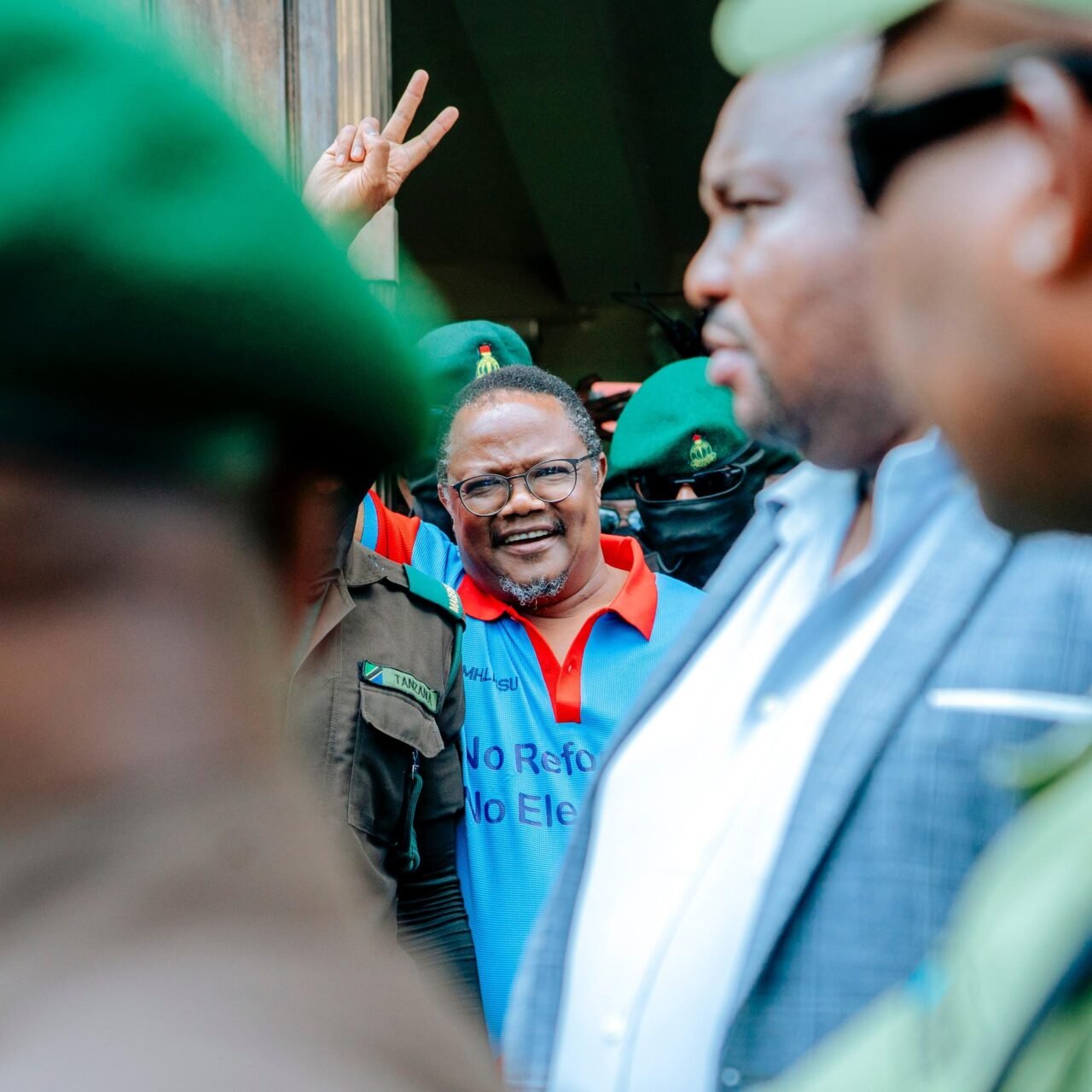
The treason trial facing opposition leader Tundu Lissu has been put on hold indefinitely, introducing fresh uncertainty into a case that has drawn nationwide attention and stirred debate about politics, justice, and the rule of law in Tanzania.
The unexpected pause came after state prosecutors filed an appeal, challenging a recent court decision that blocked their attempt to introduce additional evidence from one of their key witnesses. The appeal has now shifted the focus of the case to the Court of Appeal of Tanzania, which must decide whether that evidence can be allowed before the main trial can continue.
For Lissu, who leads the main opposition party Chama cha Demokrasia na Maendeleo, the delay represents another chapter in a long and emotionally charged legal battle. His lawyers had strongly objected to the prosecution’s request, arguing that introducing new evidence at this stage would be unfair and could disrupt the integrity of the proceedings. Judges agreed with the defense, ruling that the prosecution’s application did not meet the legal threshold required.
However, prosecutors quickly responded by exercising their right to appeal, saying the additional evidence is important to ensuring the case is fully and fairly presented. Their decision has effectively frozen the trial until the higher court reviews the matter and issues its ruling.
The development has left both supporters and critics watching closely.
Many of Lissu’s supporters say the delay prolongs an already difficult situation for a leader who has spent years at the center of Tanzania’s political struggles. Some worry that repeated legal battles and postponements may stretch the process indefinitely, leaving unanswered questions hanging over his future.
Also Read; Tz, Issues Public Alert: Rising Cases of Influenza and Dengue
Others, however, argue that the legal system must be allowed to run its full course. They say the appeal is part of normal judicial procedure and reflects the seriousness of a charge as grave as treason.
Lissu is no stranger to controversy or hardship. Over the years, he has built a reputation as one of the government’s most vocal critics, earning both admiration from supporters and opposition from political rivals. His resilience has made him a symbol of political resistance for many, while also placing him under intense scrutiny.
Legal observers say the appeal could prove decisive. If the higher court sides with prosecutors, the trial could resume with new evidence included. If it rejects the appeal, the case will continue based only on the evidence already accepted.
Beyond the courtroom, the case carries wider political significance. It has become a focal point for conversations about democracy, political competition, and the independence of institutions in Tanzania.
For now, no date has been set for the trial to resume. The next move belongs to the appellate judges, whose decision will shape not only the future of the case but also the political atmosphere surrounding it.
Until then, the country waits, as one of its most closely watched legal dramas remains unresolved.