MWE Correspondent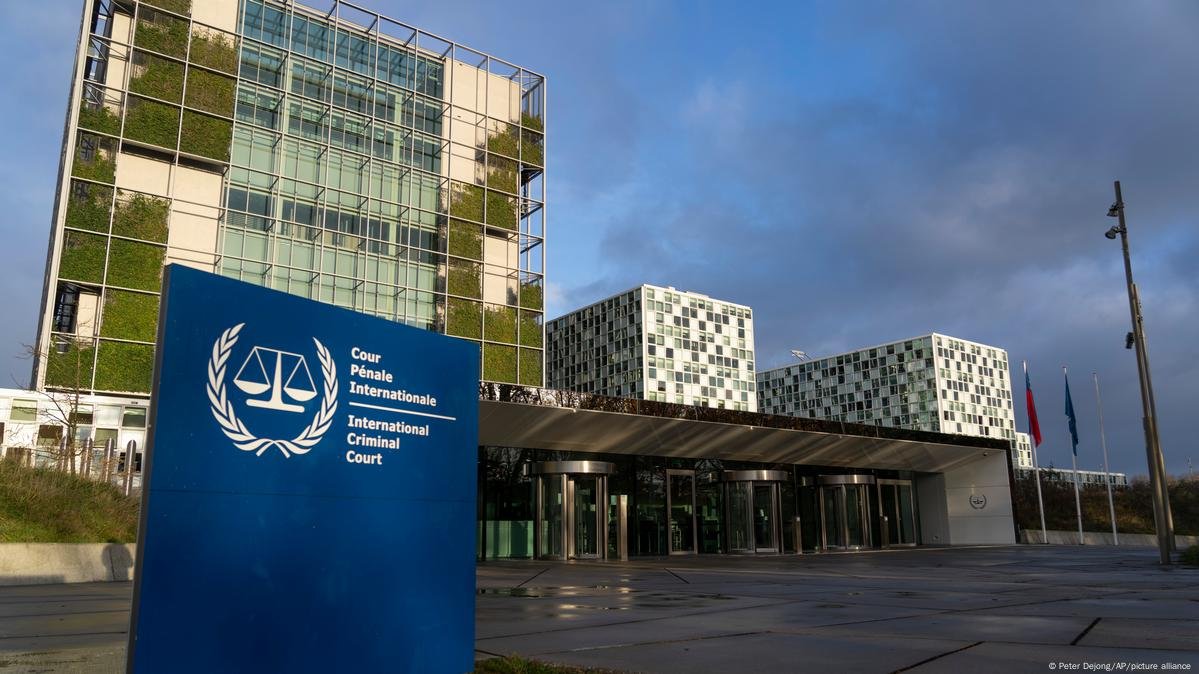
The International Criminal Court has announced a new investigation into alleged war crimes and crimes against humanity in Africa’s Sahel region, a move that is already stirring debate over international justice and national sovereignty.
The announcement was made at the court’s headquarters in The Hague, where Prosecutor Karim Khan confirmed that preliminary proceedings would examine violence linked to insurgent groups and military operations in parts of Mali, Burkina Faso, and Niger since late 2025.
According to the prosecutor, the investigation will initially focus on gathering evidence, reviewing reports, and assessing whether the legal threshold has been met to proceed with formal charges. He emphasized that the court’s responsibility is to act where serious international crimes may have occurred and where national courts may be unable to prosecute effectively.
The ICC operates under the legal authority of the Rome Statute, which established the court to handle cases involving genocide, war crimes, and crimes against humanity. The statute allows the court to intervene when national justice systems cannot or will not act.
The Sahel region has faced years of instability driven by armed insurgencies, political upheaval, and cross-border violence. Civilians have often been caught in the middle, with human rights groups documenting serious abuses. Reports from organizations such as Human Rights Watch have described killings, displacement, and humanitarian crises affecting thousands of people.
Reactions to the ICC’s move have been mixed. Some human rights advocates say the investigation offers hope for accountability and justice for victims who have long suffered without legal recourse. They argue that international oversight can help deter future abuses.
Also Read; Iran Warns US Amid Nuclear Tensions Talks
However, government officials in the region have voiced concerns about the timing and implications of the investigation. Some fear that international legal action could interfere with ongoing military operations or fragile political reconciliation efforts. They also point to long-standing concerns raised within the African Union, where leaders have debated the balance between international justice and national sovereignty.
Legal experts say the situation reflects a broader global challenge: how to ensure accountability for serious crimes while respecting the authority of national governments. In conflict zones like the Sahel, achieving both justice and stability is often complicated.
The ICC has not announced specific charges or named suspects at this stage. Instead, officials say the process will involve careful legal review before any further steps are taken.
As the investigation moves forward, it is expected to draw close international attention. For victims, it may represent a path toward justice. For governments, it raises difficult questions about sovereignty, cooperation, and the role of international courts in domestic conflicts.
The outcome could shape not only the future of justice in the Sahel but also the evolving role of international law in addressing conflicts worldwide.