MWE Correspondent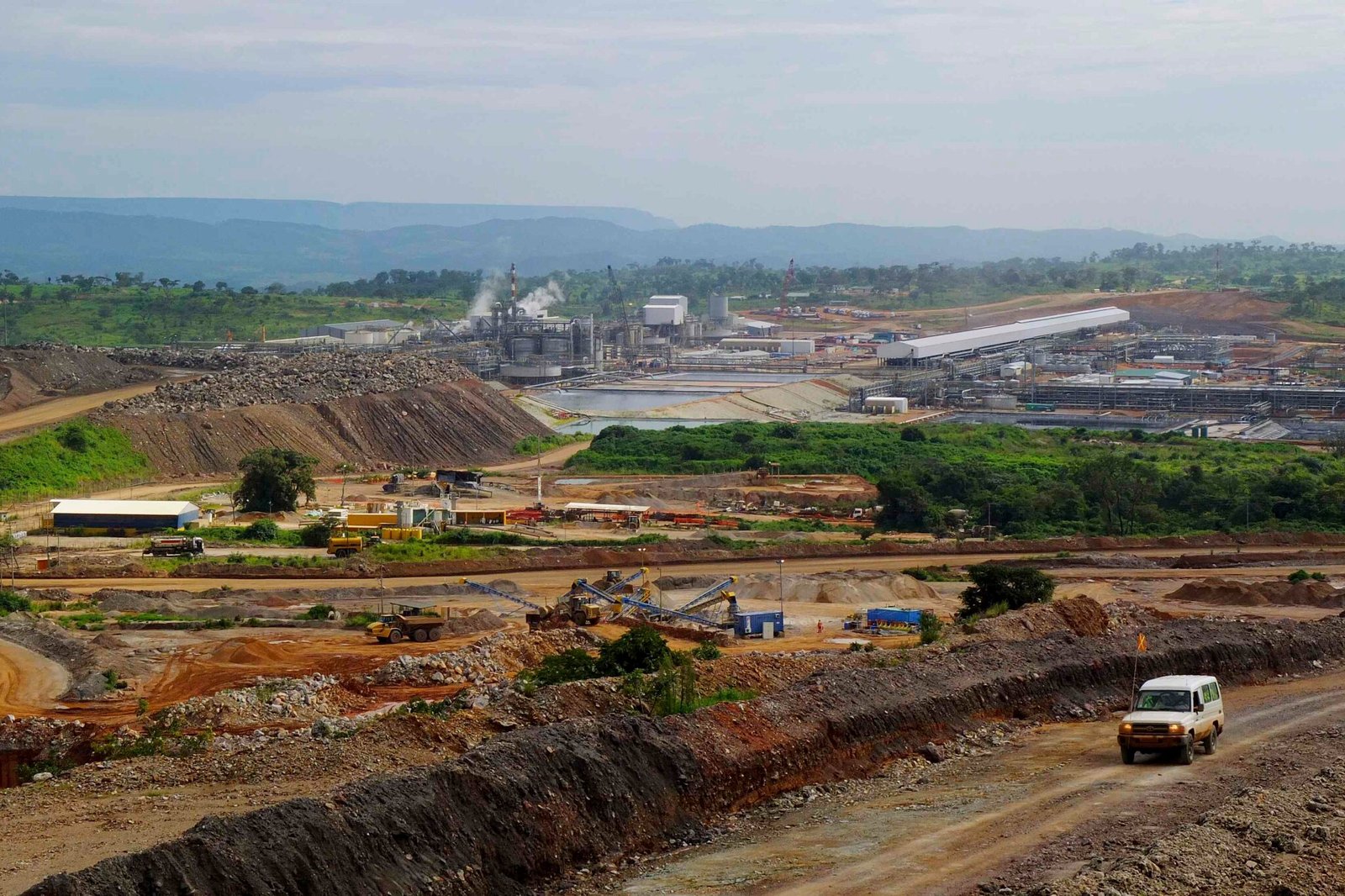
The government of the Democratic Republic of the Congo has announced a major review of several large mining agreements involving foreign companies, signaling a shift toward greater national control over its vast mineral wealth.
The decision, confirmed on February 23, 2026, in the capital Kinshasa, reflects growing concern among Congolese authorities that older contracts may no longer serve the country’s long-term economic interests. Officials say the review will focus mainly on cobalt and copper deals signed over the past decade, particularly those involving large international investors.
Congo is currently the world’s largest producer of cobalt, a mineral essential in the production of electric vehicle batteries and other modern technologies. As demand for clean energy grows worldwide, control over such strategic resources has become increasingly important. According to the global critical minerals supply chain overview, countries rich in these minerals are under rising pressure to ensure their resources deliver greater domestic benefits.
Government officials stressed that the review does not automatically mean contracts will be canceled. Instead, they said the goal is to check whether existing agreements comply with updated tax regulations, environmental protections, and requirements to support local industries.
Particular attention is being given to infrastructure-for-minerals agreements, including those involving companies linked to China. These deals often involve foreign partners building roads, railways, or other infrastructure in exchange for access to mining rights. While such arrangements have helped develop key infrastructure, critics argue that some agreements have not delivered fair value to the Congolese economy.
Also Read; Iran Warns US Amid Nuclear Tensions Talks
The review also aligns with global transparency standards promoted by the Extractive Industries Transparency Initiative, which encourages countries to openly disclose mining contracts and ensure revenues are used to benefit citizens.
International experts say Congo’s move reflects a wider trend among resource-rich nations seeking to renegotiate older agreements. The World Bank Extractive Industries Program has noted that many governments are now pushing for better financial returns and stronger environmental safeguards.
Within Congo, the decision has drawn mixed reactions. Some civil society groups have welcomed the review, saying it could help reduce corruption and ensure mining profits support national development. Others caution that reforms must be handled carefully to avoid discouraging future investment.
Parliament in Kinshasa is expected to examine the legal framework of mining concessions in the coming days, with lawmakers debating how to balance investor confidence with national interests.
Analysts say the review could mark a turning point in how Congo manages its natural resources. With global competition for critical minerals intensifying, the country appears determined to secure a stronger position in shaping its economic future.
If successful, the reforms could not only increase government revenue but also reshape how African nations negotiate major mining deals in the years ahead.