MWE Correspondent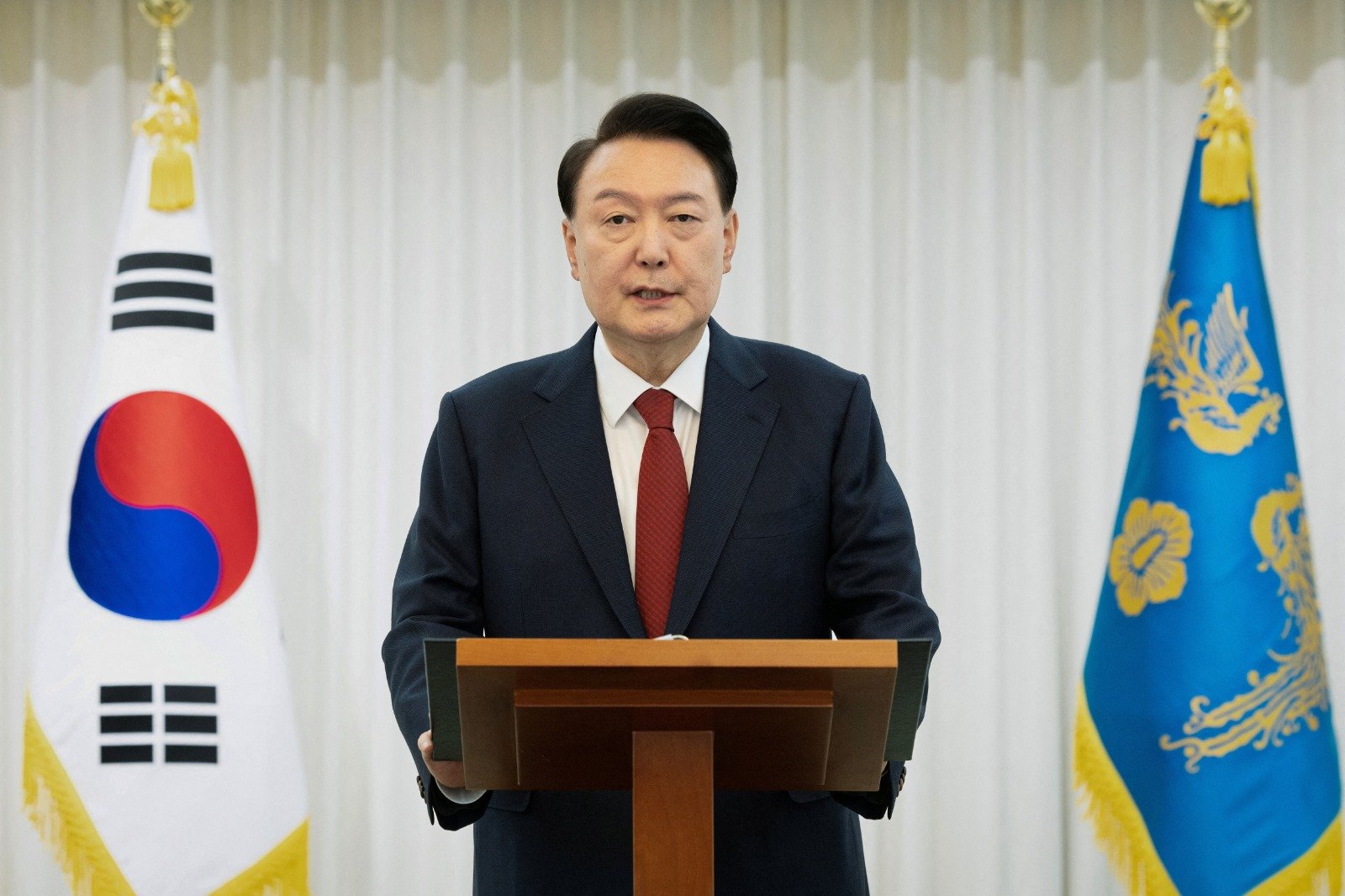
In a landmark ruling, the South Korean judiciary has sentenced former President Yoon Suk Yeol to life imprisonment for his role in orchestrating a political uprising linked to his abrupt 2024 military law announcement.
The verdict marks one of the most severe punishments ever handed to a former South Korean leader.
Presiding Judge Ji Gwi-yeon stated that Yoon’s directive to deploy military forces into the National Assembly building represented an attempt to silence political opponents and undermine democratic institutions. “This was not merely a policy decision; it was an effort to suppress lawful dissent,” Judge Ji remarked during the sentencing hearing.
In the same case, former Defense Minister Kim Yong-hyun received a 30-year prison sentence for his involvement in the crisis, signaling the judiciary’s determination to hold top officials accountable for breaches of democratic norms.
The events of 2024, which followed Yoon’s unexpected declaration of a military law, triggered nationwide protests and raised concerns about the stability of South Korea’s democratic system. Analysts described the move as an unprecedented challenge to the Constitution of South Korea and the country’s civilian oversight of the military.
Political observers note that the case has far-reaching implications for governance and the rule of law in the region. “The court’s decision reinforces that even the highest office is not above legal accountability,” said a Seoul-based political analyst.
Also Read; Africa Becomes Battleground for Critical Resource Race
The sentencing also raises questions about civil-military relations in South Korea, where the armed forces have traditionally remained under strict civilian control. The 2024 military law announcement and subsequent deployment of troops into legislative spaces was seen as a direct challenge to that principle, drawing international attention.
Human rights groups and international observers have applauded the court’s transparency and adherence to legal procedures, emphasizing the importance of upholding democratic norms and protecting political freedoms. The ruling underscores the judiciary’s role in safeguarding institutional integrity, particularly in countries with recent histories of political upheaval.
Yoon’s life sentence and Kim’s 30-year term will likely dominate domestic news and international commentary in the coming weeks, with the case setting a precedent for future oversight of executive authority. The verdict also reflects the delicate balance South Korea maintains between national security measures and democratic accountability.
The court’s decision reinforces the principle that political accountability extends to all public officials, regardless of rank or former status, while highlighting the enduring importance of constitutional protections against executive overreach.