MWE Correspondent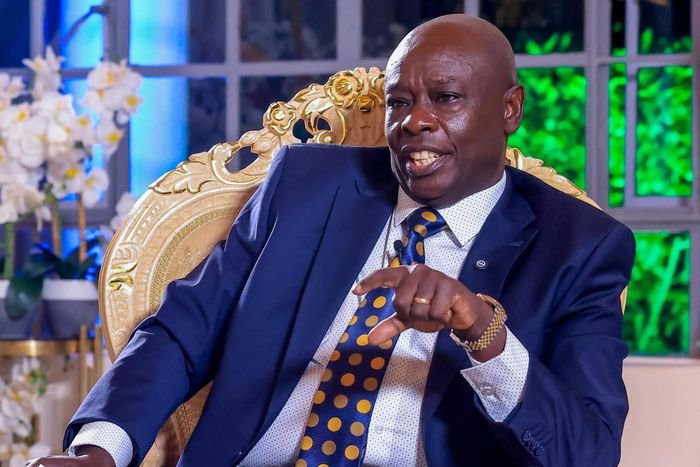
On January 22, 2026, media outlets across northern Kenya announced their decision not to participate in a scheduled interview with former Deputy President of Kenya, Rigathi Gachagua.
The decision, explained in a joint statement, emphasized the importance of upholding professional journalistic standards, promoting national unity, and fostering discussions that are constructive rather than divisive.
The coalition of radio stations and digital platforms in the region noted that recent comments by Gachagua appeared to risk stirring ethnic and regional tensions. Given the current national climate, the media felt it was imperative to avoid amplifying statements that could deepen societal divisions.
The statement further cautioned that the interview could potentially become a forum for personal attacks or the spread of unverified claims without balanced debate and credible evidence. “Media outlets committed to professional ethics cannot provide a platform that may endanger national peace and cohesion,” the statement read.
Also Read; Putin Weighs Backing Trump’s Global Peace Proposal
Earlier, Gachagua had promoted the interview via social media, describing it as an open conversation with residents of northern Kenya under the slogan, “Every Kenyan Deserves a Dignified Life, Upholding the Principle of Leaving No One Behind.” While the announcement initially drew significant public interest, the media’s decision highlights the fine line journalists must walk in politically sensitive contexts.
Observers note that this move reflects the broader role of media in Kenya: balancing the public’s desire for information with ethical reporting standards that safeguard social harmony. By prioritizing ethical journalism, northern Kenya’s outlets signal their commitment to nurturing dialogue that unites rather than divides communities.
Meanwhile, the decision sparked debate on social media, with some citizens criticizing the media for declining to host the interview, while others praised their restraint and adherence to journalistic integrity. The episode underscores the ongoing challenges faced by journalists in regions where political and ethnic dynamics are especially delicate.