Joseph Isangura
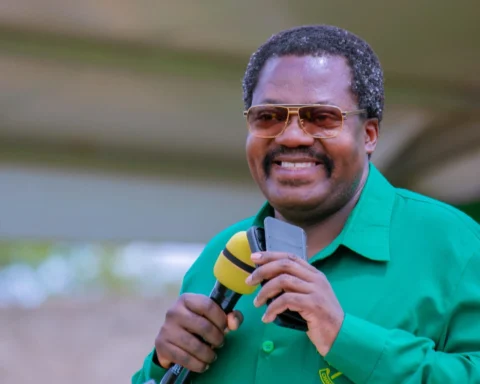
Joseph Waryoba Butiku, Chairperson of the Board of Trustees of the Mwalimu Nyerere Foundation, has publicly dismissed speculation suggesting that he has knowledge of the whereabouts or circumstances surrounding former Tanzanian ambassador Humphrey Polepole, ending weeks of political murmurs and public curiosity.
Speaking to journalists in Dar es Salaam on Monday, January 19, 2026, Butiku firmly stated that he does not know where Polepole is currently located, nor does he possess information regarding his present status. His remarks come amid sustained speculation within political and diplomatic circles following Polepole’s departure from public view after previously serving as Tanzania’s envoy to Malawi and Cuba.
Butiku acknowledged that he had previously communicated with Polepole on several occasions, estimating that the two had spoken roughly three times. However, he emphasised that those conversations were limited in scope and largely focused on broader national matters rather than personal arrangements or movements.
According to Butiku, their discussions touched on issues related to Tanzania’s recent general elections and Polepole’s publicly stated intention to resign from diplomatic service. He stressed that these exchanges should not be interpreted as evidence of ongoing contact or privileged knowledge about Polepole’s current situation.
“I do not know where he is,” Butiku told reporters, adding that any claims suggesting otherwise were unfounded and misleading. He cautioned against drawing conclusions based on speculation, noting that such narratives risk distorting public understanding of both individuals’ roles and responsibilities.
Humphrey Polepole, a prominent political figure who previously served in senior party and diplomatic positions, has attracted attention in recent months following his reduced public presence. His career trajectory, which included high-profile appointments abroad, positioned him as a notable representative of Tanzania’s foreign service during a period of evolving diplomatic engagement, particularly in Africa and the Caribbean.
Also Read; Museveni Declared Winner Of Uganda Presidential Election
The Mwalimu Nyerere Foundation, which Butiku chairs, is closely associated with the legacy of Tanzania’s founding father, Julius Nyerere, and plays a symbolic role in national discourse on leadership, ethics, and public accountability. As such, statements made by its leadership often carry weight beyond institutional boundaries.
Political analysts suggest that the interest surrounding Polepole’s status reflects broader public sensitivity to transparency in governance and diplomacy. In an era of heightened information flows, unexplained absences by senior figures can quickly become subjects of speculation, particularly when linked to electoral processes or high-level resignations.
Butiku’s remarks appear aimed at drawing a clear line between institutional responsibility and personal association, reinforcing the principle that public officials should not be presumed to possess information beyond their formal remit. He urged the media and the public to rely on verified facts rather than conjecture.
As Tanzania continues to navigate complex political and diplomatic developments, the episode highlights the enduring scrutiny placed on senior figures and the institutions they represent. For now, Butiku’s denial stands as the most direct response to the circulating rumours, while questions surrounding Polepole’s next steps remain unanswered.
Observers note that clarity from relevant state authorities may ultimately be required to settle public debate. Until then, the situation remains a developing story within Tanzania’s political landscape, underscoring the challenges of managing information in modern public life.