MWE Correspondent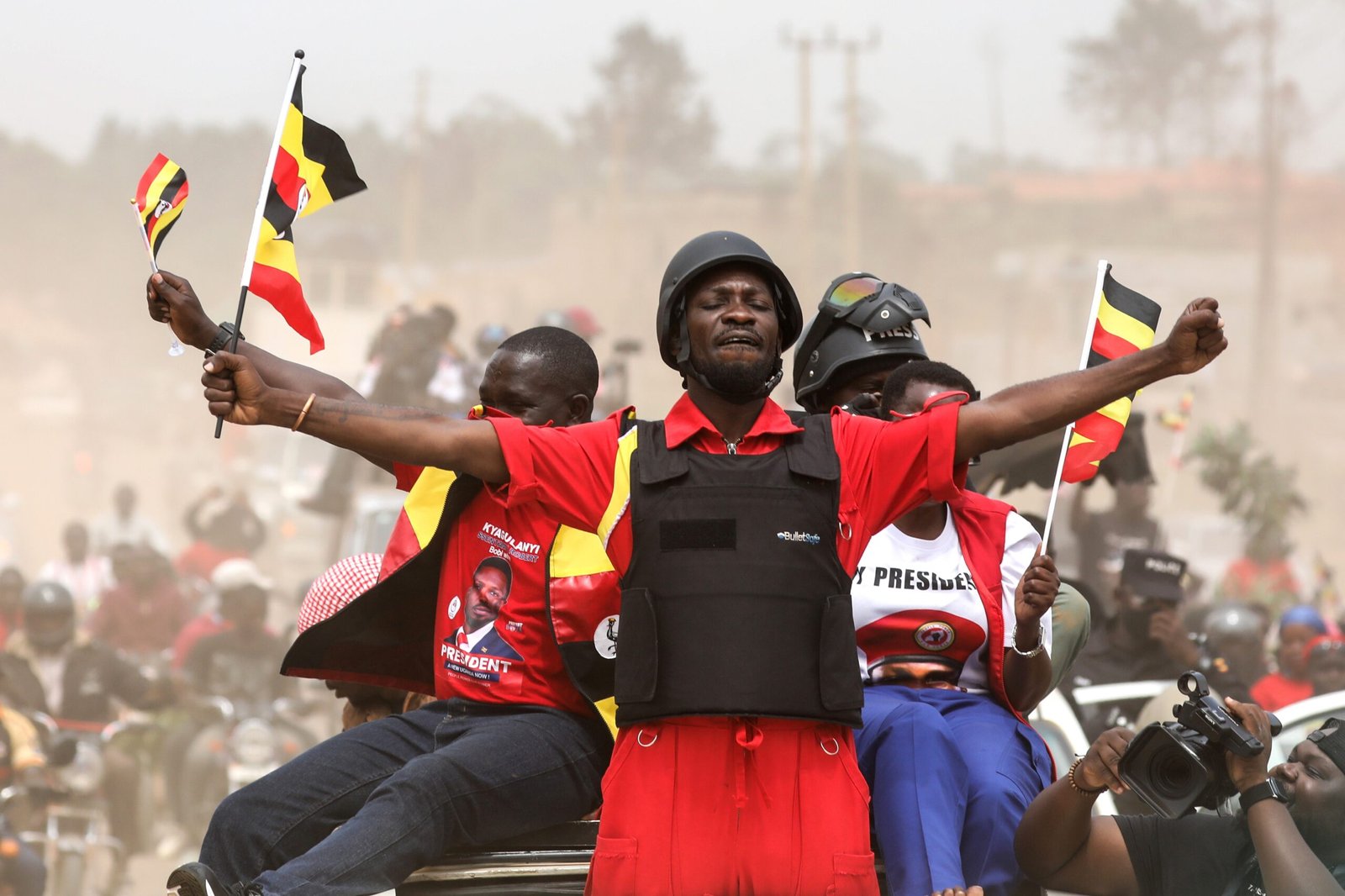
Ugandan authorities on Saturday moved to ease public anxiety after confirming that opposition presidential candidate Robert Kyagulanyi, popularly known as Bobi Wine, remained at his private residence in Magere, Wakiso District, amid heightened security restrictions that have fuelled widespread speculation.
Police spokesperson ACP Kituuma Rusoke told journalists in Kampala that Mr Kyagulanyi had not been arrested or removed from his home. However, he acknowledged that security forces had restricted access to the surrounding area, which authorities have designated as a zone of security interest following the tense Uganda general election.
According to ACP Rusoke, the restrictions were put in place to prevent gatherings that could trigger unrest at a sensitive moment in the country’s political cycle. He said security agencies had identified several areas as potential hotspots and were acting to prevent chaos rather than to target any political figure. “These measures are preventive and aimed at preserving public order,” he said.
The police clarification followed a surge of claims on social media that Mr Kyagulanyi had been taken away by military personnel on Friday and driven to an unknown location. The reports emerged as President Yoweri Museveni appeared set to extend his long rule, with electoral officials indicating what they described as a decisive victory.
Earlier, the opposition National Unity Platform alleged that an army helicopter had landed inside Mr Kyagulanyi’s compound and accused security forces of forcibly removing him. The party also claimed that the opposition leader was under effective house arrest, citing the heavy deployment of security personnel that blocked access to supporters, lawyers, and journalists.
Mr Kyagulanyi has openly challenged the credibility of the election, alleging widespread fraud and intimidation. He has particularly criticised the nationwide internet shutdown imposed during polling and vote counting, arguing that it undermined transparency and restricted independent scrutiny of the process. The government, however, defended the move as necessary to safeguard national stability.
Also Read; United States Suspends Immigrant Visa Processing Worldwide
Despite the tension, Mr Kyagulanyi has urged his supporters to remain calm while exploring peaceful and legal avenues to challenge the outcome. His allies argue that the security cordon around his home reflects a shrinking space for dissent, while authorities insist the measures are lawful and temporary.
Uganda’s elections have repeatedly drawn international attention, with observers raising concerns about the role of security agencies and the credibility of electoral processes. Analysts say the current developments highlight enduring questions around election monitoring and democratic accountability in the country.
By Saturday evening, security roadblocks remained in place around Magere, with residents reporting limited movement and a visible presence of both police and military personnel. The atmosphere remained tense as Ugandans awaited clearer signals on how the post-election period would unfold.
International observers and human rights groups continue to monitor the situation closely, warning that unresolved disputes and prolonged restrictions could deepen political divisions.