MWE Correspondent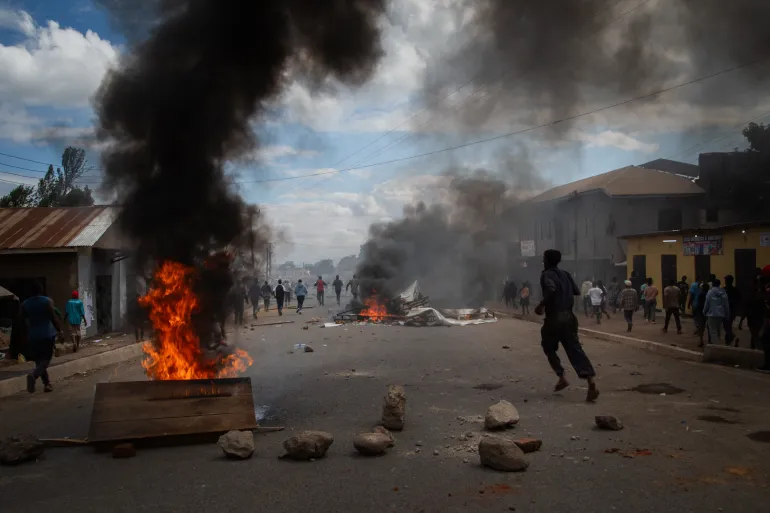
Tanzanian general election unrest, Tanzanian courts have released 198 of the 216 individuals initially charged with treason and other related offences.
The remaining 18 suspects, however, remain behind bars as their cases continue.
The suspects first appeared before the Kisutu Resident Magistrate’s Court in Dar es Salaam, facing serious charges including treason, conspiracy and destruction of public property following a wave of protests over a disputed vote.
The decision to release most of the suspects follows a directive from the country’s top legal office — the Director of Public Prosecutions (DPP) — to review the cases of youths arrested in the demonstrations, especially those who may have acted under peer pressure or without full awareness of the consequences. In a public statement, the government described the release as a step toward restoring normalcy and acknowledged that many of the accused were not hardened criminals but young people swept up in chaotic events.
Still, the 18 individuals who remain in custody face ongoing prosecution. Their detention continues while the court prepares for upcoming hearings. Lawyers for some defendants have raised concerns about harsh detention conditions and alleged mistreatment, calling for medical evaluation and fair trial guarantees.
The events unfolded after widespread protests erupted on election day, October 29 — when sections of the population rejected the results and expressed anger at the exclusion of opposition candidates. According to judicial sources, at least 240 people in total have now been charged in connection with the protests.
Also Read; When Justice Becomes A Weapon: Tz, and the Politics Of The ICC
Official statements note that many of those released did not face severe evidence linking them to organised actions of violence or sabotage. Instead, they appear to have been swept up in mass arrests as police and security forces cracked down nationwide.
Still, civil rights groups and opposition supporters warn that the broader context remains troubling. Allegations of excessive force, forced disappearances, and lack of transparency in how detainees were processed have drawn international concern. The crackdown, they say, risks deepening distrust in the judiciary.
The rehabilitation of suspects now released is also a matter of debate. Some families reportedly face social stigma, while others worry about the psychological impact on youths who were detained under suspicion but never convicted. Meanwhile, authorities insist that the justice process must continue — especially against those linked to serious offences — but that innocent or low-risk suspects should be allowed to return to their normal lives.
As the 18 remaining detainees await their next hearing dates, the public and human rights observers remain watchful. The outcome — how the court balances accountability with fairness — could shape national confidence in the legal system and influence public perceptions of post‑election justice in Tanzania.
The case also raises broader questions about how the country deals with political dissent and protest, particularly in a charged environment where allegations of misconduct and government overreach swirl. For many, the release of most suspects is welcome but insufficient: genuine reconciliation and transparency may require deeper institutional reforms and respect for fundamental rights.