MWE Correspondent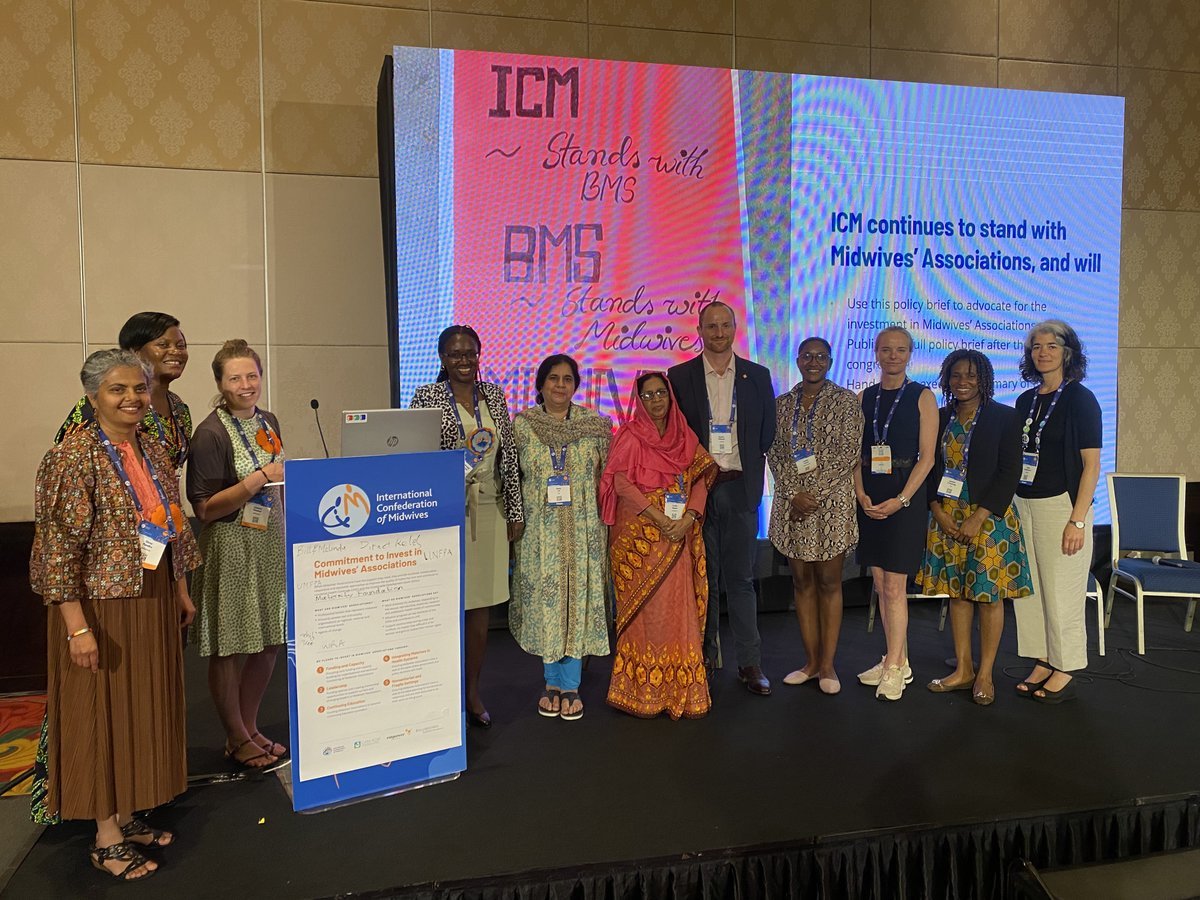
Global health leaders, policymakers, researchers and thousands of midwives from around the world are gathering in Lisbon this week for the 34th International Confederation of Midwives (ICM) Triennial Congress, as the world faces a critical shortage of nearly one million midwives.
The congress, regarded as the largest international gathering dedicated to midwifery, comes at a time when healthcare systems worldwide are struggling to meet the needs of women, newborns and families. Experts warn that the shortage of skilled midwives is limiting access to essential maternal and newborn healthcare services, particularly in low- and middle-income countries.
According to the International Confederation of Midwives, addressing the global workforce gap could have a transformative impact on public health outcomes. Evidence presented ahead of the congress indicates that an additional one million midwives could help prevent 67 percent of maternal deaths, 64 percent of newborn deaths and 65 percent of stillbirths worldwide.
Health experts estimate that strengthening the midwifery workforce could save up to 4.3 million lives every year by 2035, making investment in midwives one of the most effective strategies for improving maternal and child health.
Also Read: Tanzania Emerges As Investment Powerhouse
“This is not a future risk. It is a present reality,” said Anna af Ugglas, Chief Executive of the International Confederation of Midwives. “The shortage of midwives is already affecting millions of women and newborns who are unable to access the care they need during pregnancy, childbirth and the postnatal period.”
Delegates attending the congress are expected to discuss workforce development, education, leadership, healthcare financing and policies aimed at expanding access to quality maternal and newborn care. The event also provides a platform for sharing innovations and best practices that can strengthen healthcare systems globally.
The gathering comes as many countries continue to face increasing pressure from population growth, workforce migration and limited healthcare resources. Advocates say greater investment in training, recruiting and retaining midwives will be essential to achieving global health targets and reducing preventable deaths.
As discussions continue in Lisbon, participants hope the congress will help mobilize governments and international partners to take urgent action to address one of the most pressing healthcare workforce challenges of the decade.