MWE Correspondent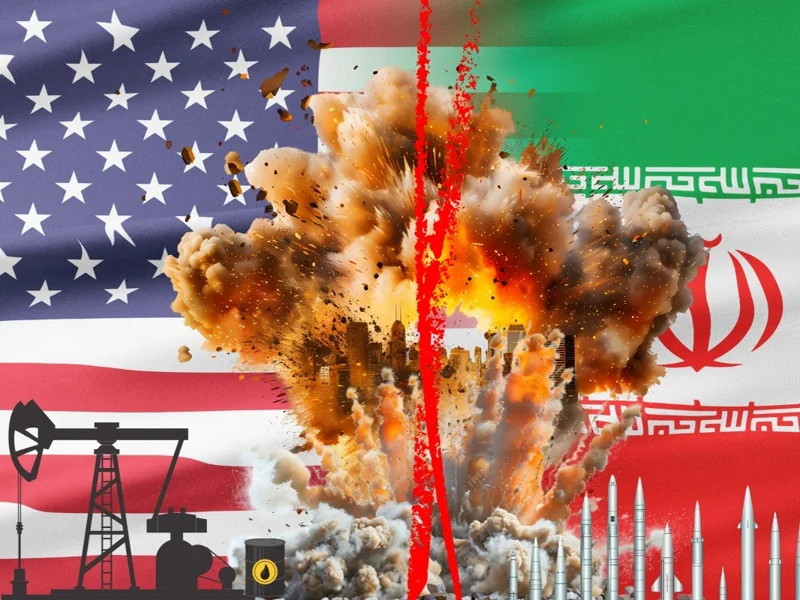
President Donald Trump has signaled a willingness to expand military pressure on Tehran — a stance that has drawn sharp global reactions and deep concern among international diplomats.
The situation has intensified against the backdrop of continuing hostilities in the Middle East and unresolved disputes over Iran’s nuclear program
Trump’s latest remarks come at a time when U.S. forces and allies have conducted military actions against Iranian military sites — notably including recent airstrikes on Kharg Island, a key oil export hub on Iran’s southern coast. Officials have framed these operations as part of broader efforts to compel Tehran to halt activities Washington and its partners consider threatening to regional stability.
In recent days, Trump has called on international partners — including NATO allies — to contribute to maintaining security in strategic waters, particularly the Strait of Hormuz, a critical maritime route through which roughly 20 % of the world’s oil supplies transit. Trump warned that failure to secure this corridor could expose global markets to further volatility.
Iranian officials, however, have repeatedly denounced what they describe as coercive pressure, vowing severe countermeasures if their territory or essential infrastructure is targeted further. Tehran’s hardline statements reflect deep skepticism of U.S. intentions and underscore the risk that the current military and diplomatic confrontation could widen.
The dispute over Iran’s nuclear activities also remains unresolved. Tehran insists its nuclear efforts are peaceful, while the United States and other countries express concern about possible weaponization. Under United Nations frameworks — including United Nations Security Council Resolution 2231, initially linked to the 2015 nuclear agreement — Iran’s program has been subject to international oversight and negotiation efforts.
Also Read; US Military Identifies Six Airmen Killed Iraq Cras
Global reactions to Washington’s posture have been mixed. Some U.S. allies are weighing contributions to joint security initiatives in the Persian Gulf, while others urge restraint and a return to diplomacy. Iranian allies and neutral states alike have stressed that any further escalation involving major military strikes could have far‑reaching consequences beyond the region.
Oil markets have already responded, with fluctuations in crude prices tied to geopolitical risk and concerns about disruptions in the Strait of Hormuz. The rising energy prices have triggered discussions in economics and policy circles about the broader impact on inflation and global supply chains.
Trump’s administration publicly states it prefers a negotiated resolution to the dispute over Iran’s nuclear ambitions, but hardline rhetoric and military planning suggest a complex dual track of pressure and diplomacy. Congressional debates in Washington reflect deep divisions over the U.S. role in the conflict, with legislators from both parties calling for increased oversight amid ongoing military operations.
Analysts say the coming weeks will be critical in determining whether the situation shifts toward renewed negotiation, further escalation, or a protracted stalemate that shapes geopolitical alignments for years to come. With global energy markets and regional stability hanging in the balance, the clash between Washington and Tehran continues to command international attention.