MWE Correspondent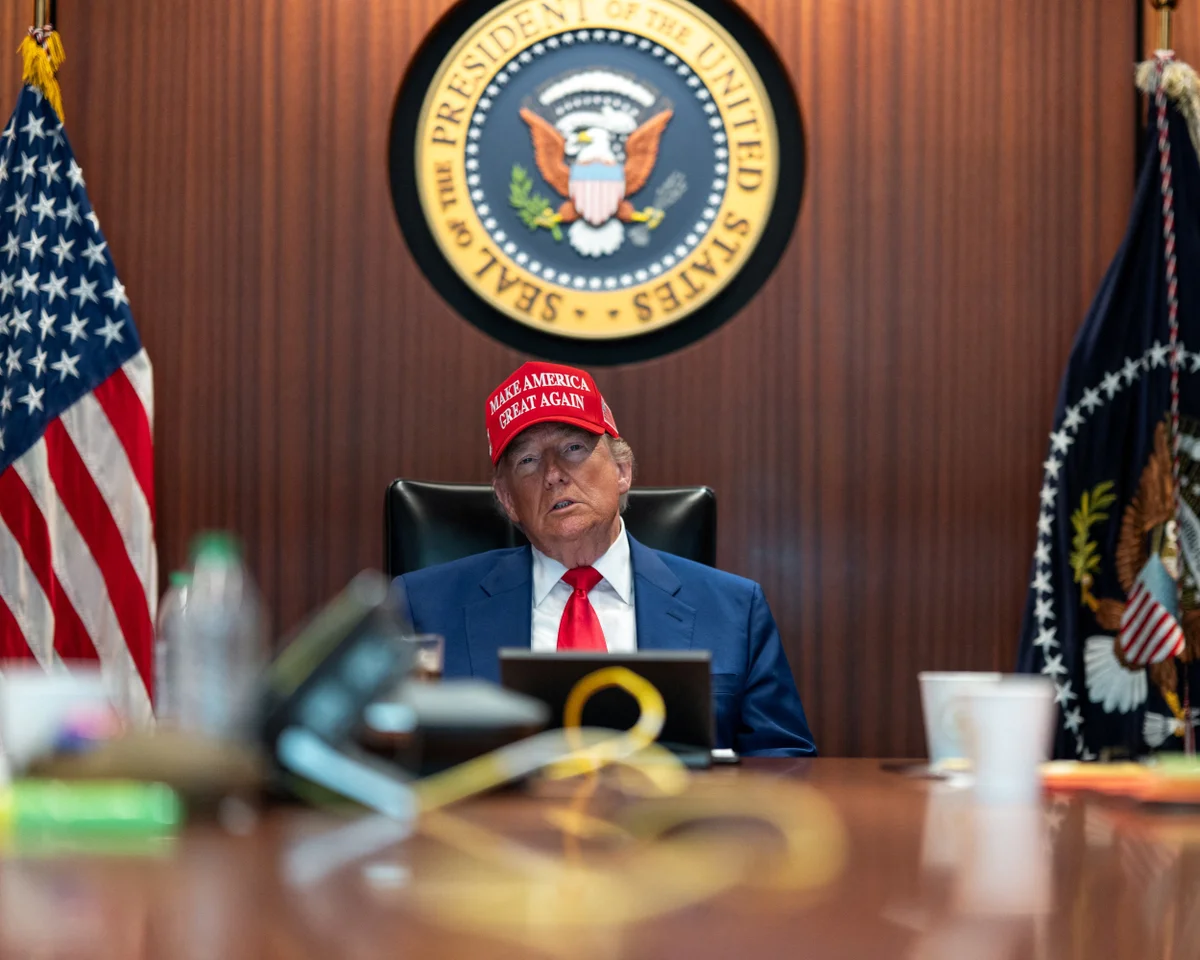
Tensions between the United States and Iran have intensified in recent weeks, with President Donald Trump signaling stronger military and diplomatic pressure as disputes over Tehran’s nuclear program persist.
The growing confrontation has raised global concerns, drawing attention from governments, energy markets, and international organizations.
Trump has publicly called on allied nations to help secure the Strait of Hormuz, a critical maritime route through which a significant portion of the world’s oil supply passes. Disruptions in this waterway have already contributed to rising fuel prices and global market uncertainty, while also highlighting the strategic importance of regional stability.
In recent weeks, U.S. forces conducted airstrikes on Kharg Island, Iran’s key oil export hub, in coordination with allied forces. These operations targeted critical military and logistical infrastructure and are part of Washington’s strategy to deter Iran from activities perceived as threats to regional and international security.
While Trump has not explicitly confirmed the use of nuclear weapons, his administration has maintained that all military options remain on the table if Tehran fails to comply with international demands. Iranian officials have vowed strong retaliation in response to any escalation, insisting their nuclear program is for peaceful purposes and fully compliant with international law.
Parallel to military maneuvers, diplomatic negotiations have stalled. Discussions between U.S. representatives and Iranian officials since 2025 have failed to produce an agreement on limits for uranium enrichment and other nuclear activities. Iran maintains it has a sovereign right to pursue nuclear technology for civilian purposes, while the U.S. continues to press for stricter oversight.
Also Read; US Military Identifies Six Airmen Killed Iraq Cras
The framework guiding Iran’s nuclear activities is governed by United Nations Security Council Resolution 2231, which derives from the 2015 Joint Comprehensive Plan of Action (JCPOA). This resolution outlines monitoring measures and restrictions on Iran’s nuclear program, but ongoing mistrust between Washington and Tehran has strained the effectiveness of these mechanisms.
The standoff has drawn a wide array of international reactions. European nations and major economies have urged restraint, warning that further escalation could have severe humanitarian, economic, and geopolitical consequences. The disruption of oil exports through the Strait of Hormuz threatens global energy security and could impact markets far beyond the Middle East.
Humanitarian concerns are mounting as well. Civilian casualties, displacement, and destruction of infrastructure have increased, further complicating regional stability. International organizations are calling for immediate de-escalation to prevent a larger humanitarian crisis.
Analysts suggest that the coming weeks will be crucial. Diplomatic efforts, including potential mediation by neutral countries, may offer a path toward de-escalation, but entrenched positions on both sides could prolong the conflict. The world watches closely as the United States balances strategic military pressure with ongoing diplomatic initiatives, with the future of Middle East stability and global energy markets hanging in the balance.