Joseph Isangura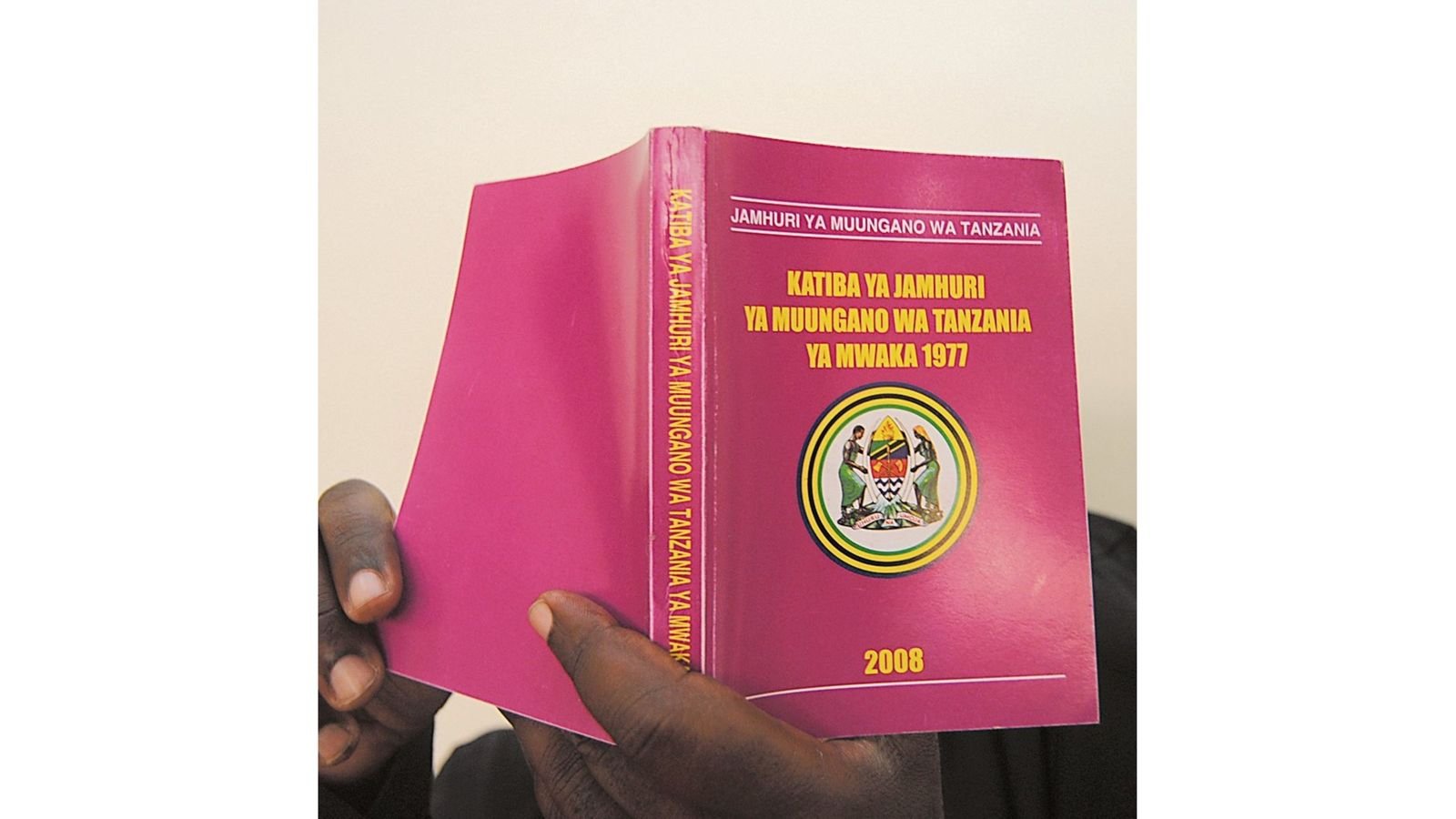
A Tanzanian Member of Parliament has urged the nation to put unity and respect at the heart of the long-awaited constitutional reform process, warning that divisions could once again derail hopes for a new supreme law.
Addressing Parliament in Dodoma on Tuesday, January 27, 2026, Lupembe lawmaker Edwin Swalle said many citizens strongly desire a new constitution, but that dream will remain distant if political rivalry and social mistrust continue to dominate national discourse.
Swalle made the remarks while contributing to the debate on President Samia Suluhu Hassan’s recent address to lawmakers, in which she called on Tanzanians to treat the constitutional process as a shared national mission rather than a political contest.
“People want change, and they want a constitution that truly reflects their voices,” Swalle said. “But if we keep attacking each other, mocking opposing views, and failing to respect one another, we risk repeating the mistakes that stalled earlier efforts.”
Tanzania has debated constitutional reform for more than a decade, with many citizens pushing for updates to the existing Constitution of Tanzania to strengthen democratic protections, improve governance, and ensure greater accountability of public institutions.
Previous attempts, particularly in the mid-2010s, collapsed amid sharp political disagreements and public mistrust, leaving the process unfinished and the nation divided.
Swalle stressed that this new phase must be different.
He called on political parties, community leaders, and civil groups to put the country first and work together to shape a document that represents all Tanzanians, regardless of political or social background.
Also Read; President Samia Declares Climate Change a Present Global Crisis
Experts note that successful reforms around the world often depend on inclusive dialogue and strong public participation, with civil society playing a key role in bridging gaps between governments and citizens.
The lawmaker also highlighted President Samia’s emphasis on reconciliation, saying her leadership has created an opportunity to rebuild trust and move the nation forward peacefully.
Dodoma, now firmly established as Tanzania’s legislative capital, has become the focal point of major national discussions, especially those touching on governance and democratic development within the broader political system of Tanzania.
Political analysts argue that the renewed constitutional drive could strengthen stability, protect rights, and modernize the country’s institutions — if it is handled transparently and without exclusion.
Many Tanzanians, particularly young people and civic groups, are watching closely, hoping the government will soon outline clear timelines and public consultation mechanisms.
For Swalle, the message is simple: unity must come before politics.
“A constitution is meant to bring a nation together,” he said. “If we approach it with anger and division, we will fail. If we approach it with respect and cooperation, we can finally succeed.”