MWE Correspondent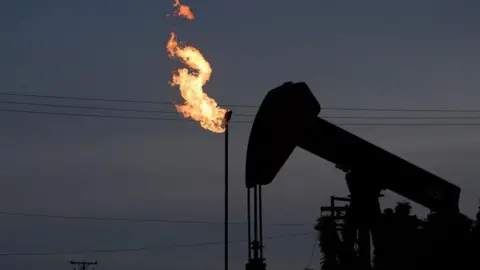
The United States has announced a far-reaching decision to take control of the sale of Venezuelan oil and to oversee how the money earned from those exports will be used, a move that signals a major escalation in its long-running standoff with Caracas.
U.S. officials said the policy will apply for an open-ended period and is intended to prevent oil revenues from being diverted to illegal activities, while ensuring that any funds generated are managed under strict oversight approved by Washington. The announcement follows fresh legal developments in the United States involving Venezuela’s leadership, adding further strain to already tense United States–Venezuela relations.
American authorities say the decision is also linked to repeated attempts to bypass international restrictions through covert oil shipments. In recent weeks, several oil tankers carrying Venezuelan crude were stopped at sea for allegedly violating U.S. sanctions. Officials described these operations as part of a wider enforcement campaign aimed at curbing the movement of sanctioned oil through indirect routes and complex shipping arrangements.
Also Read: Kigali Refugees Call for Action on Hate Speech
On Wednesday, U.S. special forces reportedly intercepted two more tankers connected to Venezuela in the North Atlantic. One of the vessels was sailing under a foreign flag, a practice that U.S. officials say is often used to disguise the true origin of cargo. The actions highlight Washington’s growing focus on maritime enforcement and the monitoring of tanker movements across international waters.
Venezuela is home to some of the world’s largest proven oil reserves, making crude exports a central pillar of its economy. Analysts say that placing oil sales under U.S. control effectively shifts influence over Venezuela’s most critical resource. While supporters of the policy argue it could bring greater accountability and limit misuse of funds, critics warn it may worsen economic pressure on the country and further complicate regional stability.
The move has drawn mixed reactions internationally. Some governments and observers have raised concerns about the interception of vessels on the high seas, while others view the actions as consistent with the enforcement of existing sanctions against Venezuela. Energy market analysts are also watching closely, noting that any sustained disruption to Venezuelan oil flows could have wider implications for global supply and prices.
As developments continue to unfold, diplomats and economists alike expect the U.S. decision to have lasting consequences. With oil remaining a strategic commodity worldwide, the policy is likely to influence not only Venezuela’s economic future but also broader debates over sanctions enforcement, energy security, and international maritime law.