MWE Correspondent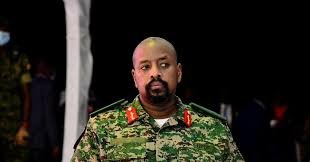
Uganda’s military leadership has pushed back against accusations by opposition figure Bobi Wine that soldiers carried out a violent night raid at his home in Kampala, an incident he says left his wife injured and in need of medical care.
According to Wine, whose birth name is Robert Kyagulanyi, armed personnel entered his residence in the Magere area late Friday while he was away. He said members of his household were harassed and that his wife, Barbara Kyagulanyi, was physically attacked and choked during the operation.
The claims quickly spread across social media and reignited debate over the role of security forces in Uganda’s political space.
Responding publicly, Uganda’s Chief of Defence Forces, General Muhoozi Kainerugaba, firmly denied the allegations. Writing on the platform X, he dismissed the account as untrue and insisted that the military does not target women.
“The army does not operate in that manner,” Kainerugaba said, adding that if soldiers were ever searching for Wine, it would not involve harming members of his family.
General Kainerugaba, who is also the son of President Yoweri Museveni, has become an influential figure within Uganda’s security establishment in recent years.
Wine, a former music star who transformed into one of the country’s most prominent opposition leaders, has repeatedly accused authorities of intimidation since entering politics. His rise from entertainer to lawmaker and presidential challenger is closely linked to growing youth frustration with long-standing leadership, as seen in the political career of Bobi Wine.
The tension intensified after Uganda’s most recent presidential election, which President Yoweri Museveni won with a landslide victory. Wine rejected the outcome, alleging electoral manipulation and heavy military presence at polling stations.
Human rights organizations have since reported numerous arrests of opposition supporters and restrictions on public gatherings, raising concerns about shrinking political freedoms in the country.
Government officials continue to deny these accusations, saying security operations are aimed at maintaining stability and preventing unrest.
So far, authorities have not clarified whether any official military operation took place in Magere on the night of the alleged raid, leaving many questions unanswered.
Also Read; President Samia Declares Climate Change a Present Global Crisis
Political observers say the episode reflects the deeper struggle between Uganda’s long-ruling establishment and a younger opposition movement pushing for change. The country’s political environment has long been shaped by strong executive control, military influence, and tightly managed elections.
The situation in Uganda also mirrors broader tensions across parts of East Africa, where opposition figures often accuse governments of using security forces to suppress dissent.
For Wine’s supporters, the alleged attack represents yet another example of what they describe as systematic harassment. For the government, the claims are viewed as politically motivated attempts to discredit state institutions.
As public debate grows louder, calls are increasing for an independent investigation to establish what really happened at the Magere residence.
Whether such an inquiry will take place remains uncertain, but the incident has once again placed Uganda’s political climate under intense public and international scrutiny.