 MWE Correspondent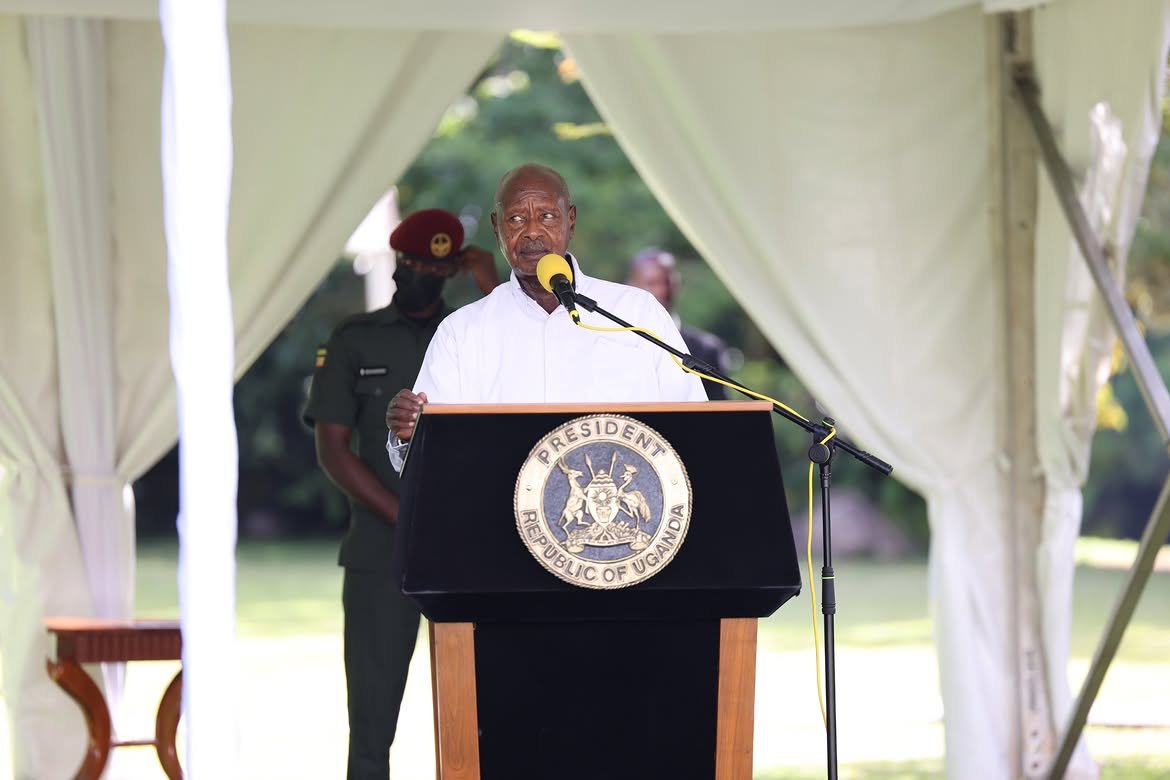
Uganda is planning to extend its Russian-language training programme for military personnel through a proposed five-year agreement with Russia, aimed at strengthening communication, professional training and defence cooperation between the two countries.
The proposal was presented by Major General Sergei Marchuk, head of Russian military experts in Uganda, during a meeting with President Yoweri Kaguta Museveni at State House in Entebbe on October 10, 2026, during Uganda’s 64th Independence Day celebrations.
Marchuk proposed extending the existing programme from December 1, 2026, through a supplementary agreement covering five years and involving five instructors. Museveni welcomed the proposal and expressed support for continued cooperation between Kampala and Moscow.
The proposed arrangement builds on an existing programme through which officers of the Uganda People’s Defence Forces (UPDF) have been learning Russian at the School of Defence Intelligence and Security in Migyera, Nakasongola District.
In September 2026, the UPDF announced the graduation of military personnel who had completed a one-year Russian-language course intended to strengthen their professional capabilities and prepare them for future assignments and international engagements.
The programme, supported by Russian military experts and instructors from Russian military educational institutions, reflects growing emphasis on language skills as part of Uganda’s military training and international cooperation.
Also Read: Tanzania Moves to Terminate Sh3.38 Billion Ichemba Dam Contract
Language proficiency can help military personnel communicate more effectively with foreign instructors, understand technical documentation and participate in specialised training. It may also facilitate access to military education and technical courses in Russia.
However, the proposed agreement’s detailed curriculum, training targets and final implementation arrangements have not been publicly confirmed.
The initiative comes as Uganda and Russia continue cooperating on military infrastructure, equipment maintenance and personnel development.
During the October meeting, Marchuk highlighted projects completed with Russian support, including military equipment storage facilities at Magamaga, a watercraft maintenance and repair centre in Entebbe, and infrastructure supporting rapid-response units.
Other projects included improvements to the Marines’ pier at Port Alice, a mobile command post at the Marines School in Kalangala, and a multimedia classroom at the Mechanised Warfare College in Karama for personnel operating BRDM-2M armoured reconnaissance vehicles.
These projects demonstrate that the relationship extends beyond language instruction to include technical capabilities and military infrastructure.
For Russia, continued language training can strengthen institutional relationships and facilitate future exchanges with Ugandan military personnel. For Uganda, the programme could expand access to foreign expertise and technical education, depending on how effectively the training meets the country’s defence requirements.
The initiative also reflects wider international competition for partnerships across Africa, where governments cooperate with different foreign powers in defence, infrastructure, technology and trade.
Nevertheless, the proposed language agreement should not, by itself, be interpreted as evidence of a new military alliance or a commitment by Uganda to participate in Russian military operations.
The next steps will involve finalising the proposed agreement, confirming its scope and establishing how the programme will contribute to Uganda’s long-term military training priorities.