MWE Correspondent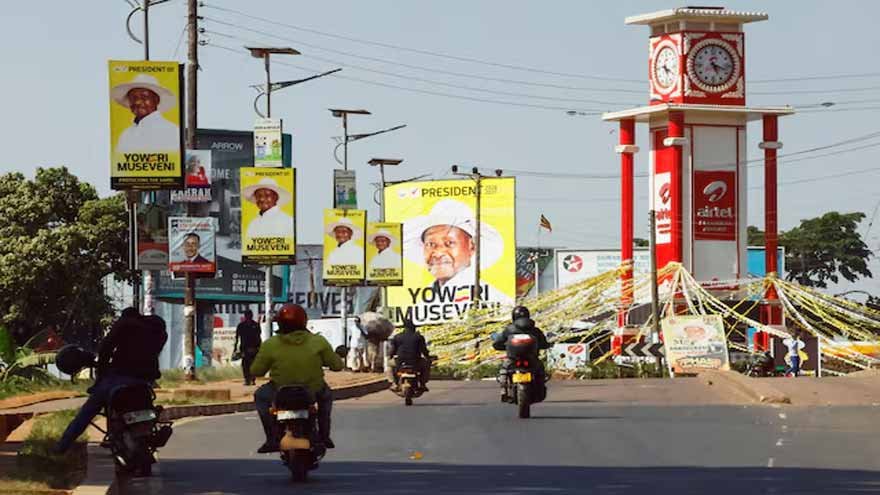
Uganda has begun cautiously reopening internet access after days of restrictions imposed during a highly contested presidential election that returned President Yoweri Museveni to office for a seventh term, extending his rule close to five decades.
Late on Saturday night, users across the country reported being able to reconnect to the internet, with access gradually returning from around 11 p.m. The restoration, however, remained limited. While basic online services and business-related platforms became available, major social media sites were still blocked, leaving many Ugandans unable to fully communicate or share information online.
Authorities said the partial restoration was intended to help businesses resume operations after days of disruption. Officials confirmed that restrictions on social media platforms would remain in place, arguing that the controls were necessary to maintain public order and prevent the spread of false information during the sensitive post-election period.
The internet shutdown was ordered by the national communications regulator, which said the move was aimed at curbing misinformation, disinformation and what it described as risks to the integrity of the electoral process. Opposition leaders strongly criticised the decision, saying the blackout was designed to limit public scrutiny and tighten control over information as votes were counted.
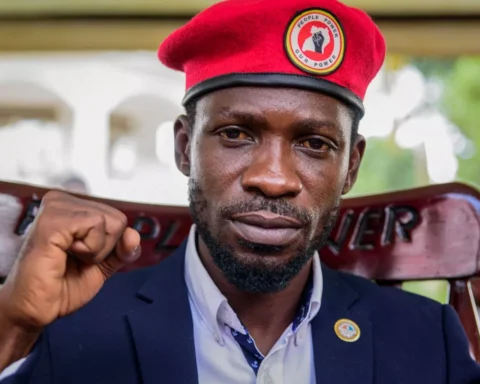
The restrictions coincided with the announcement of official results by the Electoral Commission, which declared President Museveni the winner with 71.6 percent of the vote. His main challenger, opposition leader Robert Kyagulanyi, popularly known as Bobi Wine, received about 24 percent. The opposition rejected the outcome, citing alleged irregularities and accusing authorities of creating an uneven political playing field.
President Museveni’s latest victory reinforces his position as one of Africa’s longest-serving leaders and has renewed debate over the state of democracy in Uganda. Supporters of the government say firm security measures were necessary to preserve stability, while critics argue that restrictions on internet access and political activity undermine democratic freedoms.
Also Read; Museveni Declared Winner Of Uganda Presidential Election
The shutdown had immediate economic and social effects. Many businesses that rely on online payments and digital communication reported losses, while families and communities struggled to stay connected. Advocates for digital rights warned that prolonged internet disruptions can harm livelihoods and weaken public trust in state institutions.
Uganda’s experience also reflects a broader regional trend, where governments increasingly turn to internet controls during elections. International observers and civil society groups argue that such measures limit transparency and restrict citizens’ ability to participate fully in democratic processes. Studies on internet censorship suggest that shutdowns often fuel suspicion rather than calm tensions.
As Uganda enters another political term, uncertainty remains over when full internet access, including social media, will be restored. Analysts say the phased approach indicates that authorities are seeking to manage political tensions while keeping a close watch on public discourse.
For many Ugandans, the partial return of connectivity brings some relief after days of isolation. Yet the continued restrictions highlight unresolved political divisions and lingering questions about openness, accountability and the role of digital freedoms in the country’s democratic future.