MWE Correspondent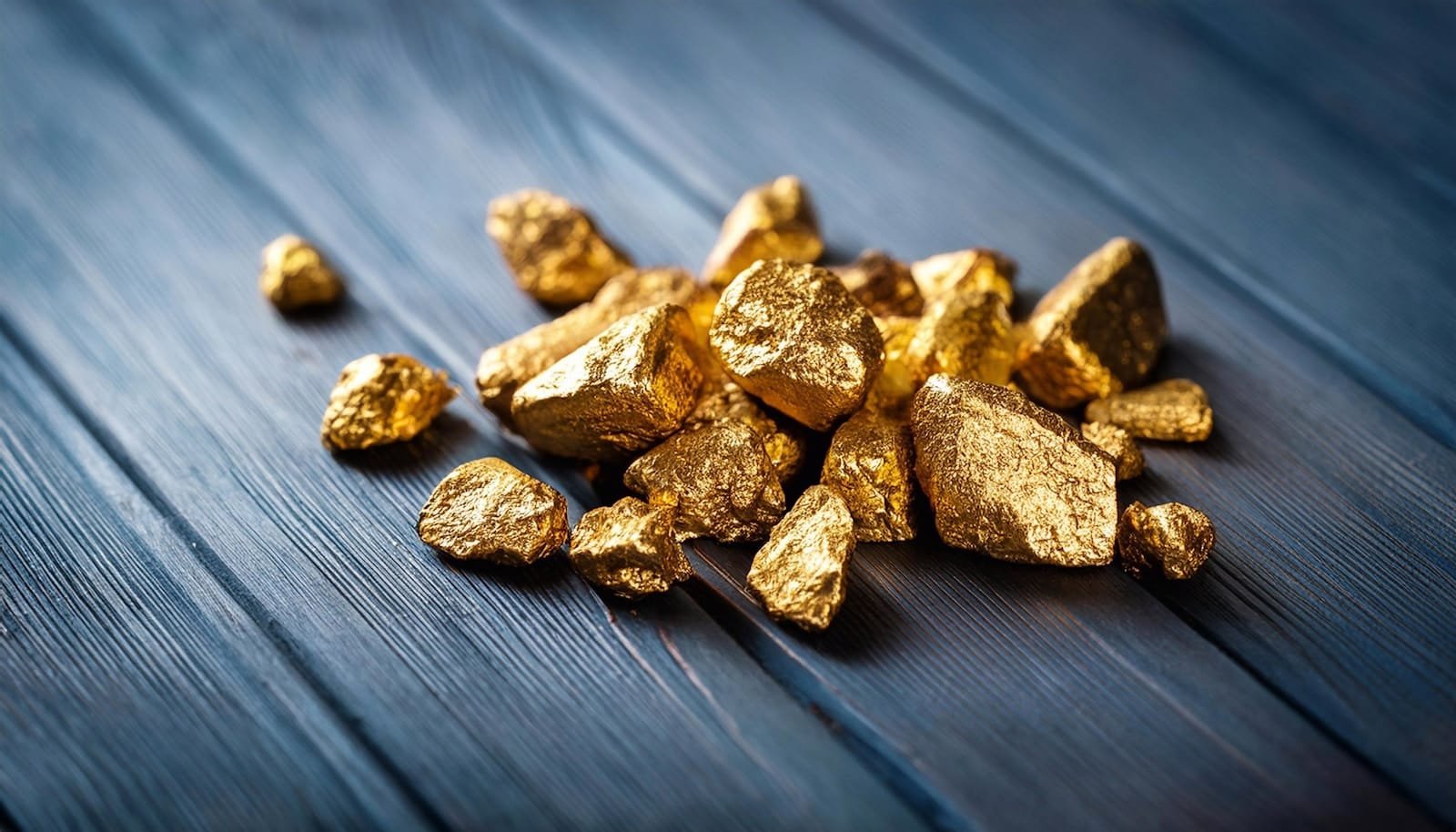
Uganda’s gold exports have climbed to record levels, reaching an estimated Shs 18.23 trillion and elevating the precious metal to the position of the country’s leading export and a key source of foreign exchange.
The surge has drawn growing attention across the region and beyond, with analysts emphasising that the increase reflects Uganda’s expanding role as a regional refining and export centre rather than a sharp rise in domestic gold production.
Over the past decade, Uganda has steadily built refining capacity, licensing about six gold refineries concentrated around Entebbe and the Kampala metropolitan area. These facilities process raw gold and doré bars into high-purity bullion that meets international market standards. Once refined, the bullion is exported mainly to the Middle East and Asia, where demand for refined gold remains strong. This has significantly boosted Uganda’s export earnings and reshaped its trade profile, allowing gold to surpass long-standing export commodities.
Uganda’s position stands out when compared with neighbouring countries. Tanzania, despite being one of Africa’s largest gold producers, operates only a limited number of approved refineries. Rwanda and South Sudan each have a single major facility, while Kenya is still working toward establishing a fully operational large-scale refinery. Burundi has none. Uganda’s comparative advantage in refining infrastructure has enabled it to dominate regional gold exports, even though its domestic mining output remains relatively modest.
Industry experts note that a substantial share of the gold refined in Uganda originates from neighbouring countries, particularly eastern areas of the Democratic Republic of the Congo. The DRC is among Africa’s most mineral-rich countries but continues to face challenges including insecurity, weak transport networks and limited refining capacity. Uganda’s proximity, access to Entebbe International Airport and relatively developed processing sector have made it a preferred destination for gold from across the Great Lakes region.
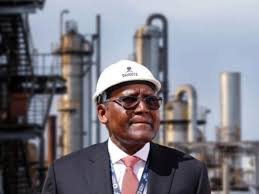
Also Read: Dangote Deepens Dispute With Nigeria Fuel Regulators
Once refined in Uganda, the gold is exported as bullion and recorded in official trade statistics as a Ugandan export, even when the original ore was mined outside the country. While part of this trade is conducted through legal import-for-refining arrangements, it has attracted scrutiny from international observers concerned about mineral traceability and the potential risk of conflict-related supply chains. These concerns are consistent with international standards promoted by the Organisation for Economic Co-operation and Development, which has issued guidelines on responsible mineral sourcing.
Despite the scrutiny, the refinery-driven export boom has delivered notable economic benefits to Uganda. The country has recorded stronger foreign-exchange inflows, created employment in refining, logistics and security services, and expanded value-addition activities within the minerals sector. Analysts caution, however, that sustaining these gains will require tighter oversight of refineries, enhanced regional cooperation and stronger traceability systems to protect Uganda’s credibility in global gold markets.