MWE Correspondent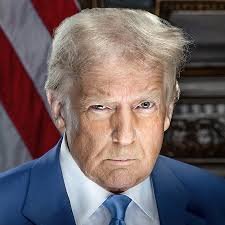
Global political observers are increasingly focused on the sharp rise in U.S. military operations under President Donald Trump, with new analyses indicating an unprecedented level of force used against nations around the world.
According to analysts tracking recent military engagements, the Trump administration has been involved in coordinated airstrikes, naval operations, and other kinetic actions across multiple regions — actions that have sparked intense debate over strategy, legality, and global security implications.
Central to the controversy is the ongoing confrontation between the United States, its allies, and Iran following a series of major strikes that began in early March 2026. These operations, described by U.S. officials as necessary to counter perceived threats and destabilizing behaviour, have drawn criticism from international legal experts and world leaders who say the scale and independence of the campaign risk escalating regional instability.
The current conflict, involving concerted U.S. and allied forces, has already seen Operation Epic Fury — a combined military action targeting hundreds of sites in Iran — produce significant destruction of military infrastructure and strategic facilities. Military sources report that thousands of targets have been struck, including air defence systems, missile launch sites, and naval assets. Iran has responded with a barrage of drones and missiles aimed at U.S. bases and allied positions across the Gulf region.
The human cost of these operations is mounting. Recent reports suggest that hundreds of civilians and combatants have been killed in Iran alone since the latest escalation began, alongside confirmed deaths of U.S. service members in a drone strike at a military facility in Kuwait. Evidence of widespread destruction and rising casualty figures has prompted urgent calls for de‑escalation from global leaders and humanitarian organisations.
Also Read; US Military Aircraft Crashes in Kuwait, Crew Survives
ed States frames its actions as defensive and precision‑focused, critics argue there are profound international law concerns involved. Under the principles of the United Nations Charter, any use of force should be strictly defensive or authorised by the United Nations Security Council. Critics claim that the breadth of the strikes and the speed with which they have unfolded fall into a legal grey area that demands greater scrutiny and oversight.
Before the latest Iran strikes, the Trump administration also oversaw extensive campaigns in other conflict zones. In 2025, U.S. forces conducted a series of air and naval operations against the Houthi movement in Yemen — actions collectively known as Operation Rough Rider. These strikes targeted rebel military infrastructure, including air defence sites and strategic facilities used to launch attacks on international shipping.
The Yemen campaign was among the most significant U.S. military engagements in the Middle East during Trump’s second term and drew strong criticism from rights groups and diplomatic circles alike. Civilian deaths and damage to infrastructure raised alarms about the longer‑term humanitarian impact of such operations, even after a ceasefire was eventually brokered in mid‑2025
Amid the ongoing confrontations, political leaders worldwide are grappling with how best to respond. European governments have voiced concern about the broader economic and security implications of the conflict, particularly given the closure of critical trade routes and airspace in the Gulf. Meanwhile, religious and civil society figures have urged restraint, emphasising the urgent need for diplomatic solutions to prevent further loss of life.
U.S. public opinion is similarly divided. Some see robust military operations as necessary deterrence, while others warn that expanding military commitments without clear legal frameworks could erode international norms and strain long‑standing alliances. This debate is happening as political and military leaders on all sides attempt to balance national security priorities with a deeply uncertain global outlook.