MWE Correspondent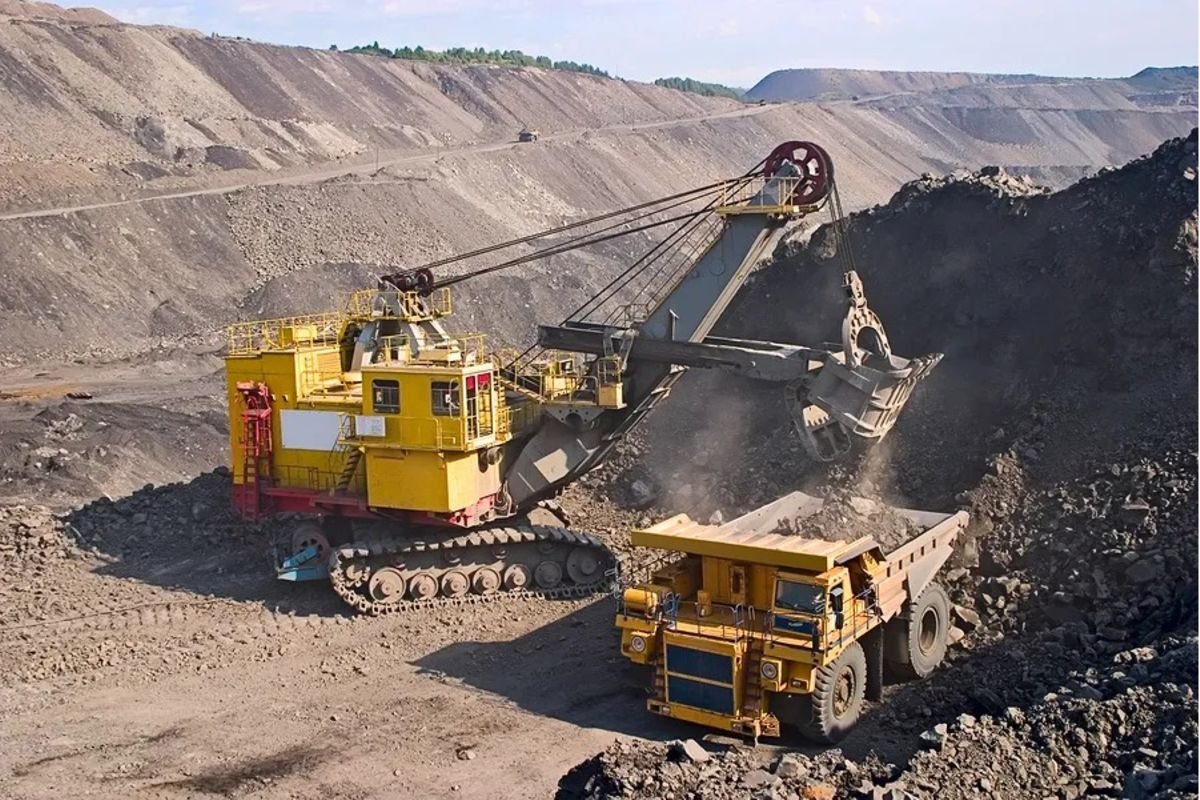
Tanzania is increasingly gaining recognition as one of Africa’s most promising destinations for mining investment after achieving a strong position in the Fraser Institute Annual Survey of Mining Companies 2025, a widely cited report that evaluates the attractiveness of mining jurisdictions across the world.
The survey placed Tanzania 34th out of 68 global mining locations on the Investment Attractiveness Index (IAI), an indicator used by international mining companies and exploration firms when deciding where to allocate capital for mineral research and development projects. The ranking reflects investor perceptions regarding mineral potential as well as government policies that influence investment decisions.
Within Africa, Tanzania maintained a competitive position by ranking fourth on the continent, behind Botswana, Morocco and Zambia. Analysts say the position demonstrates Tanzania’s growing appeal to international investors seeking stable and resource-rich environments for mining exploration.
The Fraser Institute survey is considered one of the most influential assessments in the global mining industry because it captures the opinions of hundreds of mining executives worldwide. The report evaluates several factors including geological potential, regulatory stability, taxation policies, and the overall business climate for exploration companies.
For Tanzania, the ranking signals continued progress in strengthening its mining sector, which remains one of the most important pillars of the country’s economy. The East African nation is home to significant deposits of gold, diamonds, coal, nickel, and a range of other strategic minerals. Among these resources, gold mining plays a particularly important role, making Tanzania one of the leading gold producers in Africa.
Government officials have in recent years emphasized reforms aimed at improving transparency and efficiency within the mining industry. These measures include efforts to modernize licensing systems, strengthen oversight of mining activities, and encourage responsible extraction practices that balance economic growth with environmental protection.
Industry experts note that international investors closely monitor policy consistency and regulatory clarity before committing large sums of money to exploration projects, which can take many years before production begins. As a result, improvements in governance and infrastructure are often key factors influencing a country’s attractiveness in global mining rankings.
Also Read; Trump Warns Iran Over Future Supreme Leader Choice
Tanzania’s strong performance in the Fraser Institute survey also highlights its potential to become a major hub for mineral exploration in East Africa. With large areas of the country still relatively underexplored geologically, the possibility of new discoveries continues to attract the attention of exploration companies looking for emerging opportunities.
Despite the positive outlook, analysts say competition among African countries to attract mining investment remains intense. Nations across the continent are working to create favorable regulatory frameworks while ensuring that local communities benefit from natural resource development.
For Tanzania, maintaining investor confidence while ensuring that mining activities contribute to sustainable development will be critical. Policies that support local employment, infrastructure development, and environmental protection are increasingly seen as essential components of a modern mining sector.
The latest global ranking therefore represents not only recognition of Tanzania’s mineral potential but also a sign of growing international confidence in the country’s efforts to strengthen its mining industry. As global demand for minerals continues to rise—particularly those used in renewable energy technologies and modern manufacturing—Tanzania’s role in the international mining landscape could become even more significant in the years ahead.