
 MWE Correspondent
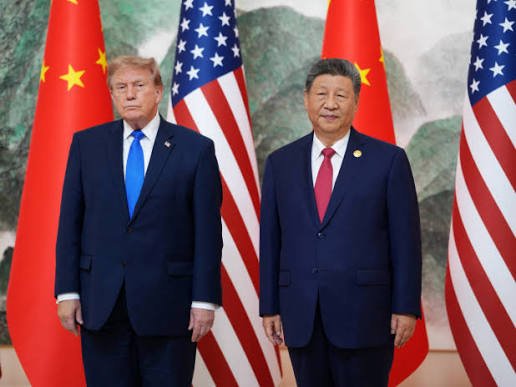
U.S. President Donald Trump has said Washington and Beijing share two major strategic objectives concerning Iran: ensuring uninterrupted energy shipments through the Strait of Hormuz and preventing Tehran from acquiring nuclear weapons, signalling a potential area of common ground between the world’s two largest economies despite their wider geopolitical differences.
Speaking after discussions with Chinese President Xi Jinping in Beijing on May 15, 2026, Trump said the two countries wanted the vital shipping route to remain open and opposed Iran obtaining a nuclear weapon.
“Both the US and China want to ensure energy flows through Hormuz and that Iran cannot have a nuclear weapon,” Trump said, describing the position he said emerged from his discussions with Xi.
The comments followed a summit between the two leaders on May 14, during which the White House said they had agreed that the Strait of Hormuz must remain open to support the free flow of energy. According to the White House account, Xi also opposed militarising the waterway and imposing tolls on vessels using it. The statement added that both countries agreed Iran should never possess a nuclear weapon.
The apparent convergence is significant because China has maintained extensive economic and energy ties with Iran, while the United States has imposed sanctions on Tehran and has been seeking to restrict its nuclear programme. China is Iran’s biggest oil customer, giving Beijing an important economic stake in the stability of the region and the uninterrupted movement of energy supplies.
The Strait of Hormuz, situated between Iran and Oman, is one of the world’s most strategically important maritime routes. It connects the Persian Gulf with the Gulf of Oman and the Arabian Sea, providing a critical passage for oil and other energy commodities exported from major Gulf producers.
Around one-fifth of global oil supplies normally pass through the waterway, making any prolonged disruption a potential threat to international energy markets, shipping costs and economic stability.
Read More:Xi Pledges $20m to Boost APEC Cooperation
For China, which relies heavily on imported energy to sustain its industrial economy, uninterrupted access to oil shipments is a major economic concern. For other Asian economies, as well as European and global markets, restrictions on the route could translate into higher energy prices and increased transportation costs.
The United States also has an interest in keeping the waterway open, even though its direct dependence on oil transported through Hormuz is lower than that of several major Asian importers. Disruption could still affect global oil prices, inflation and the wider international economy.
Despite the reported agreement, Washington and Beijing have not necessarily adopted identical approaches to the conflict involving Iran.
The Trump administration has maintained that Iran must not acquire nuclear weapons and has pressed Tehran to reach an agreement addressing its nuclear activities and the security of the Strait of Hormuz.
China, meanwhile, has publicly criticised the war, with its Foreign Ministry arguing that the conflict should not have occurred and should not continue. Beijing has also emphasised diplomacy and opposed the militarisation of the strategic waterway.
The distinction matters because agreement on the desired outcome does not automatically translate into agreement on how to achieve it. While Washington has relied on sanctions and military pressure, Beijing has continued to advocate diplomatic engagement and has economic relations with Tehran that give it a different set of interests.
Trump also said Xi had indicated that China would not provide military equipment to Iran, describing the reported position as an important development. However, the practical implications of that statement and the extent of China’s willingness to use its influence over Tehran remain matters requiring further clarification.
The dispute over Iran’s nuclear programme remains one of the most difficult issues in relations between Tehran and Washington.
The United States wants firm guarantees that Iran will not develop nuclear weapons, while Iran has consistently maintained that its nuclear programme is intended for peaceful purposes. The disagreement has complicated diplomatic efforts and contributed to tensions over sanctions, uranium enrichment and regional security.
Iranian Foreign Minister Abbas Araqchi said Tehran was prepared to pursue diplomatic solutions but also remained ready to defend the country. Iran has further argued that freedom of navigation in the Strait of Hormuz must be considered alongside the security concerns created by military operations and restrictions imposed against it.
The US-China understanding therefore represents a potentially important diplomatic development, but it does not by itself resolve the disagreements between Washington and Tehran or establish a final agreement on Iran’s nuclear activities.
Ultimately, the two countries’ ability to translate their shared interest in secure energy supplies and nuclear non-proliferation into coordinated diplomatic action could have implications far beyond the Middle East.
For Beijing, the priority includes protecting energy security and avoiding a prolonged regional crisis. For Washington, it involves preventing Iran from acquiring nuclear weapons while restoring stability to a critical international shipping route. Whether these overlapping interests can produce meaningful progress will depend on negotiations with Tehran and the willingness of all parties to pursue a sustainable political settlement.