MWE Correspondent
Tanzania’s current position on the global stage did not emerge overnight, nor can it be traced to a single political moment.
Instead, it reflects a long and deliberate journey that began when the country chose to redefine how it manages its natural wealth and engages with the outside world.
In 2017, Tanzania took a decisive step by passing laws that reinforced permanent sovereignty over natural resources and allowed the state to review and renegotiate major extractive agreements. Domestically, this move was widely viewed as an attempt to correct historical imbalances and ensure that the country’s wealth genuinely benefits its people. Internationally, however, it placed Tanzania firmly within the global debate on resource nationalism, a concept that has reshaped relations between states and powerful economic interests across the world.
The policy shift did not go unnoticed. International scrutiny intensified, and new narratives emerged questioning Tanzania’s governance style and investment climate. While some concerns echoed internal debates, others reflected unease among actors who had long operated under more accommodating conditions. What Tanzania’s leadership described at the time as an economic struggle was, in essence, a clash between national sovereignty and deeply rooted global economic structures.
Also Read: Burundi President Warns of Foreign Disruption in DRC
When leadership changed in 2021, the country adopted a softer diplomatic tone. Engagement with traditional partners improved, and many observers believed tensions had eased. Yet beneath the calmer language, the core policy direction remained unchanged. Strategic projects continued to advance within the same framework established years earlier, underscoring continuity rather than reversal. This consistency aligns closely with the broader structure of the economy of Tanzania, which remains heavily anchored in natural resources.
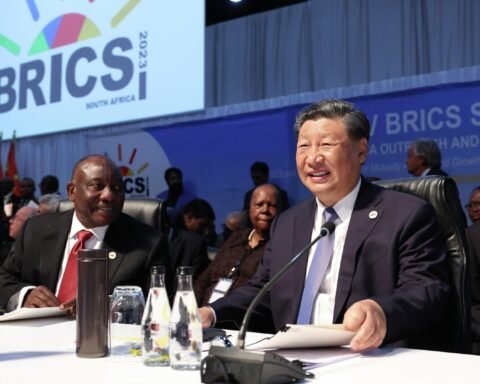
As negotiations with some partners stalled, Tanzania quietly expanded its range of international engagements. This diversification did not signal a rejection of old relationships, but rather a pragmatic effort to widen options while maintaining firm control over national assets. The result has been a gradual rebalancing of external influence, reflecting wider shifts in the global economic order.
Alongside these developments, a quieter contest unfolded online. In the modern era, power is exercised not only through diplomacy and trade, but also through narratives. From around 2023, Tanzania’s digital space became increasingly polarized, with competing messages spreading rapidly among a young and connected population. This dynamic fits within what analysts describe as information warfare, where influence is shaped through perception and psychological pressure rather than direct confrontation.
By 2025, official declarations reaffirming Tanzania’s commitment to resource sovereignty made clear that the country’s long-term direction had not changed. Events later that year, widely discussed in public discourse, appeared less as isolated incidents and more as the release of pressures that had been building over nearly a decade.
Taken together, Tanzania’s story is not one of sudden crisis, but of steady navigation through a complex global landscape. It is the story of a nation asserting control, managing competing interests, and maintaining its position on an international chessboard where every move carries weight far beyond its borders.