MWE Correspondent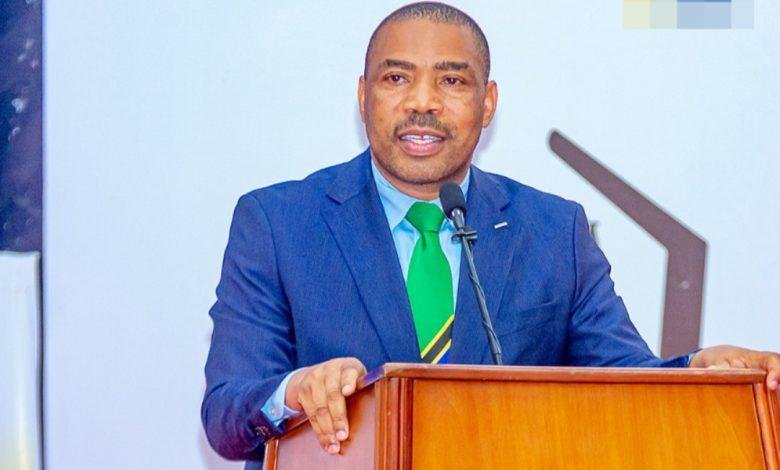
Prime Minister Dr Mwigulu Nchemba has cautioned Tanzanians against being drawn into religious disputes, warning that conflicts rooted in faith are dangerous, deeply divisive, and capable of destabilising the entire nation if not avoided at an early stage.
Speaking to residents of Dar es Salaam on December 29, 2025, during an inspection of the ongoing construction of the Bunju market and bus terminal in Kinondoni District, Dr Nchemba said Tanzania must remain alert to subtle forces that seek to divide society along sensitive lines. He noted that many developing countries have fallen into crisis during election periods after ethnic or religious differences were deliberately stirred for political gain.
According to the Prime Minister, Tanzania has largely succeeded in overcoming the threat of ethnic division, a challenge that has destabilised other nations. However, he warned that the country now faces a more delicate risk in the form of religious tension, which he described as far more destructive if allowed to take root.
Dr Nchemba reminded citizens that Tanzania was founded on strong values of tolerance and peaceful coexistence. He emphasised that the State does not align itself with any religion and that every citizen is free to worship according to their beliefs. This tradition, he said, has enabled people of different faiths to live together peacefully, even within the same families, without fear or discrimination.
“When you interfere with someone’s faith, there are no winners,” the Prime Minister said. “Once a society falls into this trap, it becomes extremely difficult to recover. Religious conflict affects everyone, including those who thought they were only observers.”
He explained that religious disputes often spread quickly and emotionally, making them hard to control once they begin. Even individuals who did not directly contribute to the conflict can find themselves caught in its consequences, he added.
The Prime Minister urged religious leaders, political figures, and citizens to handle disagreements responsibly and to rely on dialogue and consultation rather than confrontation. He stressed that the current administration has consistently encouraged open communication, noting that the President has made it clear that her office remains open to ideas, concerns, and constructive criticism from all sections of society.
Also Read; Tanzania Reassures Public Over TAZARA Upgrade Benefits
Dr Nchemba also warned against public attacks on religious leaders, saying such actions can easily inflame emotions among believers who view their leaders as spiritual guides and moral authorities. He noted that criticism directed at religious figures is often interpreted by followers as an attack on their faith itself, increasing the risk of unrest.
Experts note that religious tolerance is a key pillar of peaceful and stable societies, particularly in countries with diverse belief systems. Where tolerance is undermined, even minor disagreements can escalate into broader social conflict.
Globally, the interaction between religion and politics has been identified as a sensitive area, especially during election periods, when emotions run high and unity can be easily tested. Analysts warn that leaders play a critical role in calming tensions and promoting national cohesion.
Tanzania has long been recognised for its commitment to peaceful coexistence and respect for freedom of religion. Observers say maintaining this legacy requires constant vigilance, responsible leadership, and a shared commitment by citizens to reject divisive narratives.
As development projects continue across the country and political activities intensify, the Prime Minister called on Tanzanians to protect the unity that has defined the nation for decades. He stressed that peace remains the foundation of development and that no political, social, or economic objective is worth sacrificing national harmony.
Dr Nchemba concluded by urging citizens to choose dialogue over confrontation and unity over division, saying these values remain Tanzania’s strongest shield against instability.