Joseph Isangura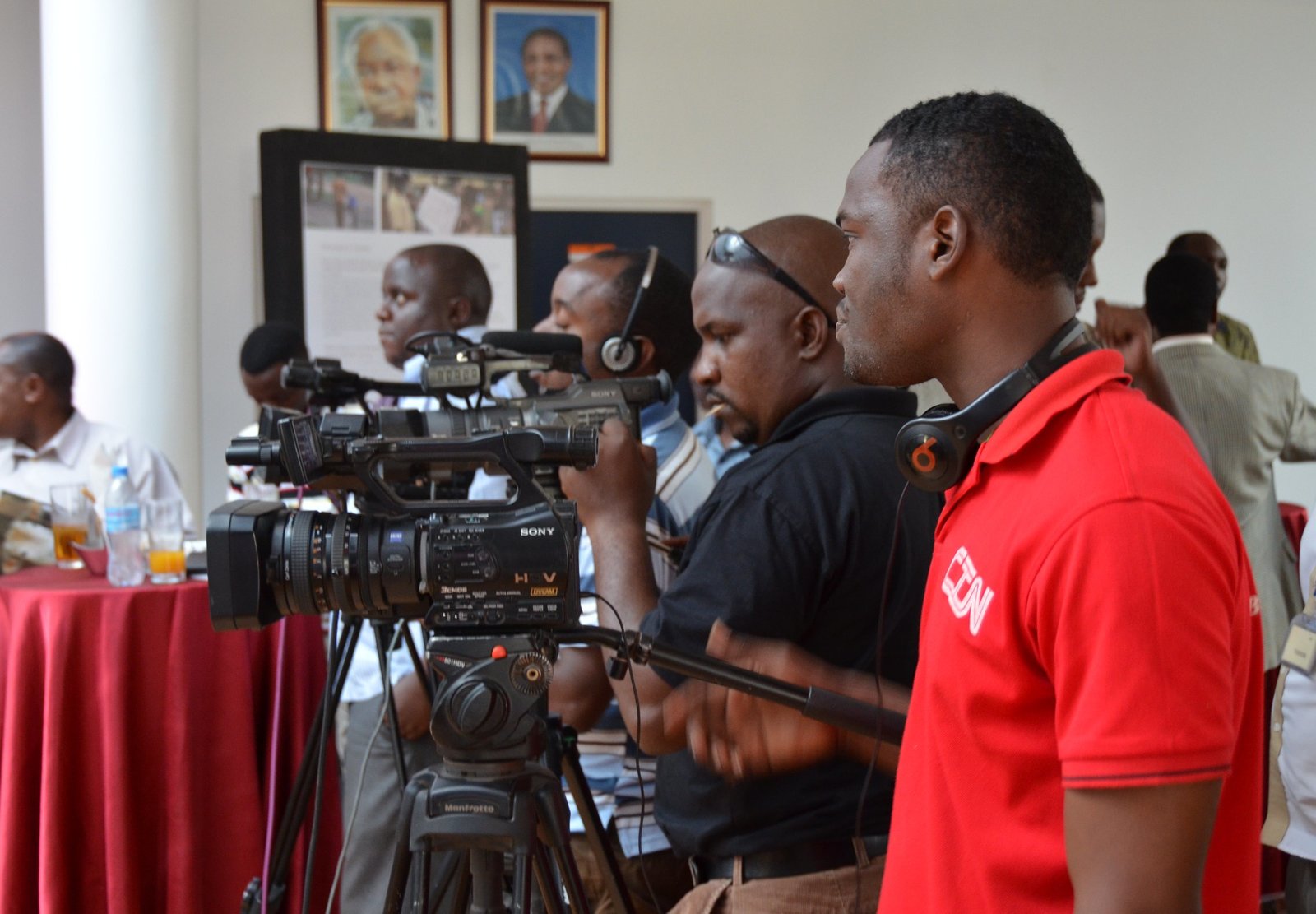
Tanzania’s media regulator has raised fresh concern over the re-emergence of individuals carrying out journalistic duties without proper authorization, warning that the practice undermines professionalism and public trust in the media.
In a statement issued on January 7, 2026, the Journalists Accreditation Board (JAB) said it had observed that some unqualified individuals have resumed media-related activities following the conclusion of the General Election. The Board stressed that journalism is not an informal activity but a recognized profession governed by clear legal, ethical, and professional standards.
The Acting Director General of the Board, Patrick Kipangula, said that anyone engaging in news gathering, production, or dissemination without official accreditation is acting outside the law. He cited provisions of Tanzania’s media legislation, which require all practicing journalists to hold valid accreditation before performing their duties.
According to JAB, the requirement applies broadly across the media sector. Editors, reporters, freelance journalists, photographers, radio and television presenters, and programme producers are all legally required to be accredited. The Board explained that these rules are designed to ensure accountability, competence, and ethical conduct in the media industry, especially at a time when information spreads rapidly across digital platforms.
The regulator issued a firm warning to individuals currently operating without accreditation, directing them to stop immediately. Continuing to work as a journalist without authorization, the Board noted, is a criminal offence that can attract legal penalties. Media organizations were also cautioned against employing or allowing unaccredited individuals to perform journalistic roles, with the Board vowing to take legal action against any institution found violating the law.
In addition to the warning, JAB announced that it will soon roll out a special nationwide inspection exercise. The inspections will target media houses and various locations across the country to verify whether those performing journalistic duties meet the legal requirements. The exercise is intended to strengthen compliance and restore professional discipline within the sector.
Also Read; China Rejects Any Nation Acting as Global Enforcer
Addressing long-standing debates around press freedom, the Board pushed back against claims that accreditation limits freedom of expression. Instead, it argued that accreditation serves as a protective tool for both journalists and the public. By formalizing who is recognized as a journalist, the system helps safeguard the integrity of the profession, enhances the credibility of news content, and provides legal protection to practitioners as they carry out their work.
Media analysts say the Board’s renewed enforcement drive comes amid growing challenges posed by social media and online platforms, where it has become easier for individuals to present themselves as journalists without training or accountability. In this environment, professional standards are increasingly seen as essential in distinguishing credible reporting from misinformation and unverified content, a challenge faced by the global Journalism industry.
The move also reflects Tanzania’s broader efforts to regulate its media landscape in line with national laws while maintaining public order and responsibility. As a regulator operating within the framework of the United Republic of Tanzania, JAB maintains that respect for media laws is fundamental to sustaining a credible and trusted press.
With inspections expected to begin soon, the Board’s message is clear: journalism remains a regulated profession, and compliance with the Media Services Act is not optional. Those who wish to inform the public must do so lawfully, professionally, and with full respect for the standards that define the profession.