Lyn Frans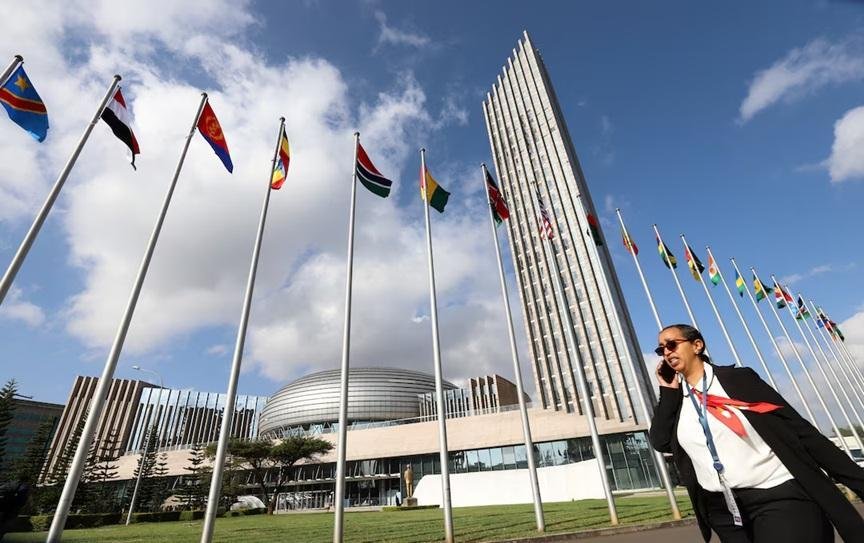
Tanzania has formally thrown its support behind a growing continental movement seeking reparations from former colonial powers, following a landmark gathering of African officials and legal experts in Algiers.
The International Conference on the Crimes of Colonialism in Africa concluded with calls for coordinated action to address historical injustices that have left lasting economic and cultural scars.
Speaking after the conference, Tanzania’s Ambassador to Algeria, Iman Njalikai, emphasized that African nations are now united in pursuing accountability for decades of resource extraction, cultural theft, and systemic exploitation. “Africa is no longer speaking in fragmented voices,” Njalikai said. “As resolved during the extraordinary conference, Tanzania fully supports this initiative.”
The two-day meeting brought together representatives from over 40 African countries to develop a unified approach to reparatory justice. Delegates highlighted the enormous scale of colonial-era losses, which they estimate run into the trillions of dollars when modern valuations of extracted resources and cultural property are considered. Among the priorities discussed were the return of stolen cultural artefacts, financial compensation for resource exploitation, and the creation of a continent-wide framework to guide claims.
For Tanzania, which experienced both German and British colonial rule, the next step involves compiling a comprehensive national dossier documenting mineral extraction, asset removal, and cultural property held abroad. “Negotiations cannot proceed without evidence,” Njalikai explained. “Our technical file will be grounded in history, economics, and law, ensuring that our claims are fully substantiated.”
Also Read; Women’s Forum Maps Path to National Unity
The conference also underscored the role of the African Union in advancing this agenda. Officials urged the AU to accelerate the development of a legal framework that would facilitate negotiations with former colonial governments and provide a unified voice for the continent. Economists and civil society groups argue that colonial-era resource transfers—from minerals and cash crops to unpaid labor and intellectual property—have contributed to long-term structural deficits that continue to affect African development.
While some European countries, including Germany, France, Belgium, and the Netherlands, have begun returning cultural artefacts, most have stopped short of accepting legal liability or providing financial reparations. Analysts caution that defining colonialism as an international crime would require broad political consensus, which could take years to achieve.
Still, the Algiers conference marks a significant milestone in the movement for reparations. Delegates described it as the most coherent and organized roadmap yet, combining legal proposals, valuation methodologies, and diplomatic strategies. “This is not about reopening old wounds,” Njalikai said. “It is about acknowledging the past and building a foundation for fairness and justice for future generations.”
The African Union is expected to present the reparations roadmap at its next summit, setting the stage for what could become a decade-long effort to redefine Africa’s relationship with Europe and ensure that the legacies of colonial exploitation are addressed in a meaningful, equitable way.