Joseph Isangura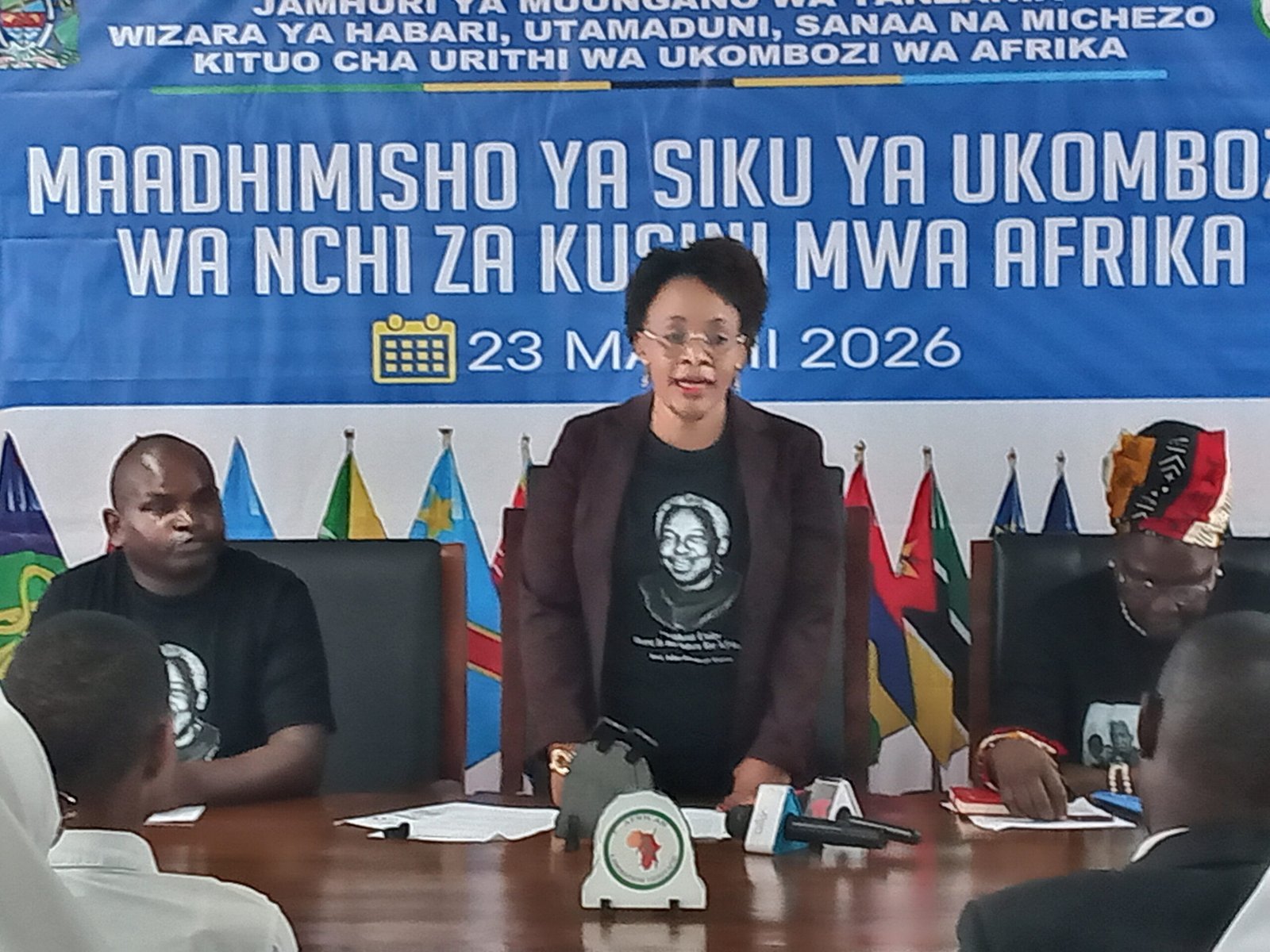
Tanzania marked Southern Africa Liberation Day with renewed national pride and a forward-looking message, as leaders, scholars, and young people gathered to celebrate the country’s historic role in Africa’s freedom struggle and to chart a path toward economic transformation.
Observed annually on March 23, the day serves as a powerful reminder of the sacrifices made by African nations and liberation movements in dismantling colonial rule. For Tanzania, the occasion carries special significance. The country stood as a cornerstone of the liberation effort, offering military training, diplomatic backing, and a unifying platform for freedom fighters from across Southern Africa during some of the continent’s most defining moments.
At the heart of this year’s commemoration was a strong call to preserve that legacy while adapting its lessons to meet modern challenges. Officials emphasized that while political independence was achieved decades ago, the journey toward meaningful economic empowerment remains ongoing. The message resonated deeply among attendees, particularly the youth, who were urged to step forward as custodians of this enduring legacy.
Dr. Julieth Kabyemela, a senior government official overseeing cultural heritage and national development, underscored the importance of linking history with progress. She noted that the spirit of liberation must evolve beyond remembrance and translate into tangible development outcomes.
“Our history is not just something to celebrate—it is something to build upon,” she said. “The next phase of our liberation is economic. It requires innovation, resilience, and a commitment to self-reliance.”
Her remarks reflected a broader national effort to strengthen institutions that safeguard this history, including the Liberation Heritage Centre in Tanzania. The centre continues to serve as a repository of knowledge, preserving critical archives, testimonies, and artifacts that document Africa’s journey to independence. It also plays an educational role, welcoming students and researchers eager to understand the foundations of modern African states.
Christopher Mhongole, coordinator of the centre, highlighted the importance of public engagement with history. He encouraged Tanzanians to actively visit and learn from the institution, describing it as a “living classroom” for present and future generations.
“When we understand where we come from, we gain clarity about where we are going,” he said. “This legacy belongs to all of us, and it is our duty to protect and pass it on.”
Also Read; US Eases Sanctions to Stabilize Global Oil Prices
The event attracted participants from various sectors, including academic institutions, civil society organizations, and youth groups. A public dialogue formed part of the program, offering a platform for exchanging ideas on how liberation values can inform current development strategies. Discussions focused on unity, leadership, and the need for homegrown solutions to Africa’s economic challenges.
Tanzania’s historic contribution to the broader process of remains widely recognized. The country’s leadership during this period strengthened its position as a champion of African solidarity and cooperation. Today, that same spirit is being invoked to drive a new agenda centered on economic independence and sustainable growth.
The philosophy of which guided many liberation movements was also highlighted as a continuing source of inspiration. Speakers noted that the ideals of unity and collective action are just as relevant now as they were during the struggle for independence. In an increasingly interconnected world, collaboration among African nations is seen as essential for achieving shared prosperity.
Additionally, Tanzania’s longstanding commitment to international cooperation, reflected in its historical , was cited as a model for balancing national interests with regional and global engagement.
As the commemoration concluded, a unifying message emerged: the legacy of liberation must not remain confined to history books. Instead, it should serve as a guiding force for building a stronger, more self-reliant Africa. For many in attendance, this means investing in youth, promoting education, and fostering innovation across all sectors of society.
Southern Africa Liberation Day, therefore, is not only a time to honor the past but also an opportunity to redefine the future. Tanzania’s message to its citizens and to the continent at large is clear: the struggle continues, not with weapons, but with ideas, determination, and a shared vision for economic transformation.
In celebrating this historic day, the nation once again affirms its place at the heart of Africa’s journeypast, present, and future.