Joseph Isangura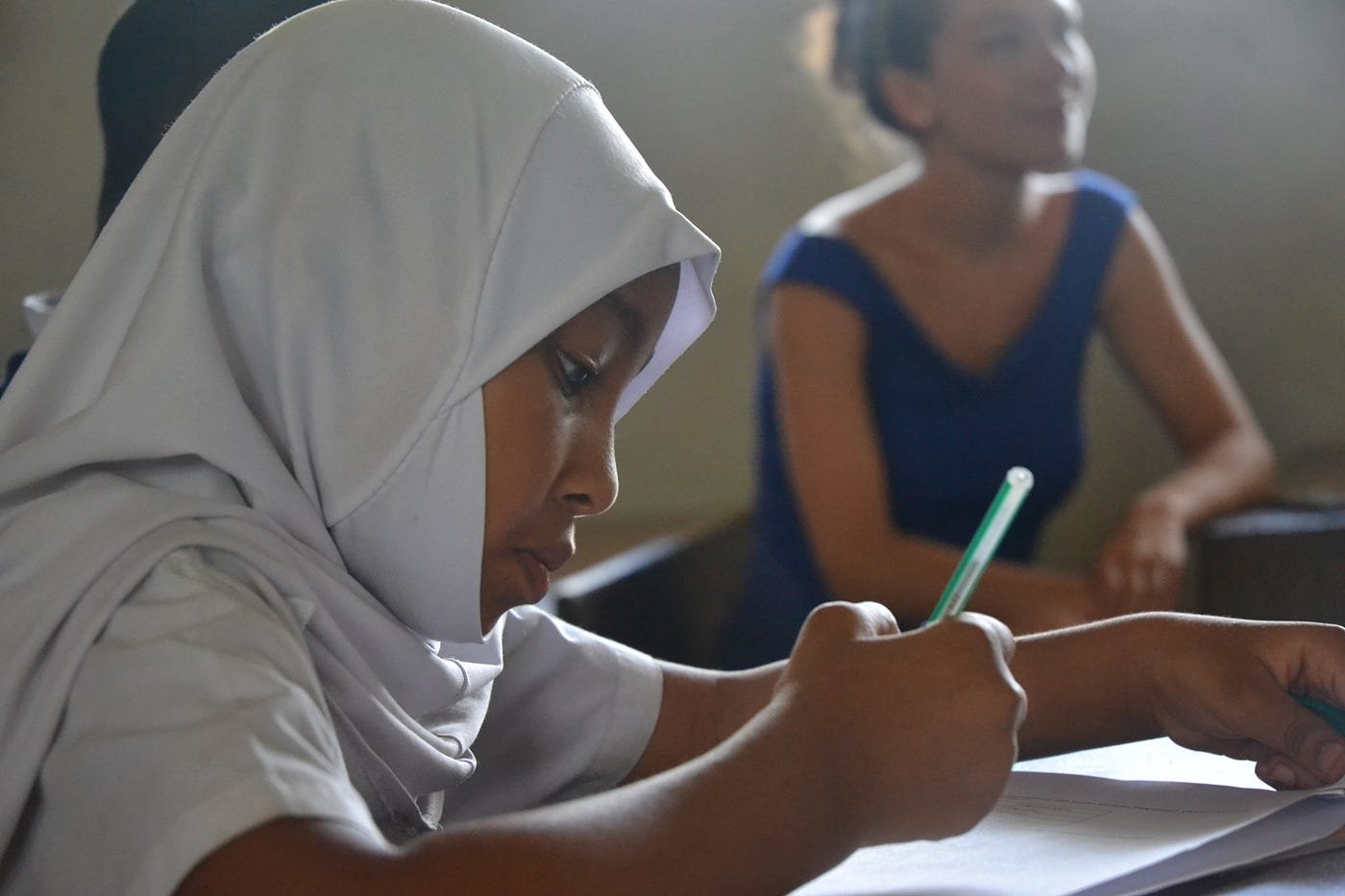
Tanzania has taken a landmark step to support students who did not pass their Form Two national examinations, allowing them to progress to Form Three in 2026 while participating in a specially designed remedial programme.
The move reflects a growing focus on inclusive education and student-centered policies aimed at reducing dropout rates and keeping learners on track despite academic setbacks.
The announcement came on Saturday, January 10, 2026, from the Commissioner for Education, Dr. Lyabwene Mtahabwa, shortly after the National Examinations Council of Tanzania (NECTA) released the 2025 Form Two results. Out of over 800,000 candidates, 705,091—equivalent to 86.93 percent—achieved grades one to four, qualifying to continue to Form Three. This represents a 1.52 percent improvement over 2024, indicating gradual progress in academic performance nationwide.
For many educators, the decision is a milestone in Tanzania’s education reforms. Rather than allowing a single exam to derail a student’s academic journey, authorities are emphasizing ongoing support, practical skills, and continuous assessment. The 2025 examinations were also conducted under a revised structure introducing two streams for the first time, including a practical education pathway, reflecting efforts to prepare students not just academically but also for employment and vocational opportunities. More on Tanzania’s education system is available at Education in Tanzania.
However, the examination period also highlighted challenges in maintaining discipline. NECTA reported 19 cases of abusive language in exam scripts—eight in the Standard Four national assessments and 11 in Form Two.
Also Read; Barrick Excels In Providing Job Opportunities For Local Employees
The council directed that the results of these students be annulled and that schools take appropriate disciplinary measures. NECTA Executive Secretary Prof. Said Mohamed confirmed that formal letters would be sent to affected schools to ensure proper follow-up.
Tanzania’s approach to education has evolved significantly since independence in 1961. Early reforms focused on universal primary education, while subsequent decades emphasized expansion of secondary and technical education. Policies have consistently aimed to balance inclusivity with academic standards, and recent initiatives reflect a wider continental trend across Africa toward improving retention and quality in secondary schooling.
Comparative data show that several African countries, including Kenya, Uganda, and Rwanda, have also implemented remedial programmes or second-chance policies for students at critical stages of secondary education, highlighting the region’s growing focus on educational equity. Experts note that such policies help reduce dropouts, improve literacy and numeracy, and equip young people with skills essential for economic participation.
Teachers and education advocates have welcomed the latest directive in Tanzania as a progressive move, but they emphasize that success depends on proper resourcing, teacher training, and monitoring to ensure remedial programmes achieve their intended outcomes. By focusing on learner-centered policies, Tanzania is signaling a broader commitment to nurturing student potential, even for those who initially struggle academically.
This latest initiative represents not only a national educational policy shift but also a contribution to regional efforts to strengthen secondary education and human capital development. For broader context on Tanzania’s reforms and their historical significance, see Tanzania.