
 MWE Correspondent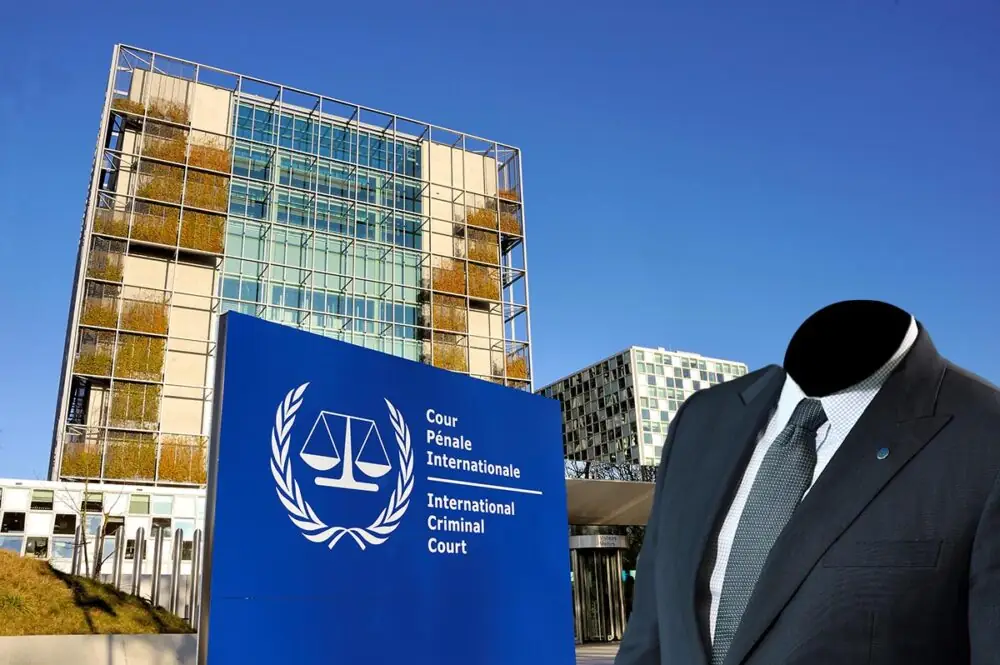
The latest decision by the United States to impose sanctions on senior officials of the International Criminal Court (ICC) has renewed an important debate in Tanzania over the country’s relationship with the court and the broader implications of aligning itself with international institutions when major powers take opposing positions.
Among those targeted are ICC President Tomoko Akane of Japan and senior prosecutor Abdoulaye Seye of Senegal, according to the information prompting the debate.
For Tanzania, however, the issue goes beyond the individuals affected by the sanctions. It raises a more fundamental question about how the country should balance its commitment to international justice with its national interests, diplomatic relationships and economic security.
The central concern is whether continued unconditional support for the ICC could expose Tanzania, its officials or institutions to potential diplomatic and economic pressure from the United States if Washington’s confrontation with the court expands.
Tanzania has traditionally maintained a foreign policy built around sovereignty, non-interference, multilateral cooperation and peaceful resolution of international disputes. Its engagement with international institutions therefore needs to be assessed against the country’s own strategic interests rather than simply through the lens of relations between powerful global actors.
The debate should not be reduced to whether Tanzania supports or opposes the ICC.
The more important question is: What does Tanzania gain, what could it lose, and how can it protect its interests while continuing to support accountability for serious crimes?
Any decision to maintain or strengthen cooperation with the ICC should therefore be accompanied by a clear assessment of potential diplomatic, financial and economic consequences.
Read More: US Sanctions ICC President And Senior Prosecutor
The United States remains an important economic and diplomatic partner for Tanzania. American investment, development cooperation, trade, tourism, education and financial relationships all contribute to Tanzania’s economy. While sanctions against ICC officials do not automatically mean sanctions against Tanzania, the growing confrontation between Washington and the court creates a geopolitical environment that Dar es Salaam cannot afford to ignore.
Reconsidering the nature of Tanzania’s engagement with the ICC would not necessarily mean abandoning the principle of accountability.
Tanzania can strengthen its own justice institutions and national mechanisms for investigating and prosecuting serious crimes. A stronger domestic justice system would allow the country to address allegations of wrongdoing while protecting its constitutional and judicial sovereignty.
At the same time, Tanzania could deepen cooperation with African regional institutions and other African countries to develop stronger mechanisms for addressing serious crimes on the continent.
This approach would give Tanzania greater control over how justice is pursued while maintaining its commitment to human rights and accountability.
The ICC debate also has a significant African dimension.
African countries have long had a complicated relationship with the court. Some governments and civil society groups have viewed the ICC as an important mechanism for holding powerful individuals accountable when national institutions are unable or unwilling to act. Others have criticised the court over what they perceive as disproportionate attention to African cases and questions surrounding the balance of international justice.
For Tanzania, this presents an opportunity to contribute to a broader African conversation about how the continent can strengthen its own judicial institutions.
Rather than simply choosing between the ICC and external pressure, Tanzania could advocate for stronger African-led accountability mechanisms capable of investigating serious crimes while respecting national sovereignty.
The latest US sanctions should therefore be viewed as more than an isolated dispute between Washington and the ICC.
They represent a wider test of how Tanzania manages competing international interests.
Tanzania must be able to maintain constructive relations with the United States, African partners, Europe, emerging global powers and international institutions without allowing external geopolitical conflicts to dictate its national priorities.
The country’s foreign policy should ultimately answer a straightforward question: Does a particular international commitment produce a clear and sustainable benefit for Tanzania and its people?
That assessment should consider diplomacy, trade, investment, development assistance, national security, sovereignty and the protection of Tanzanian citizens.
Supporting international justice remains important. But Tanzania can pursue that objective while also insisting that its foreign policy is guided by national interests.
The challenge for Dar es Salaam is therefore not simply whether to support or distance itself from the ICC. It is to develop a balanced strategy that protects Tanzania from unnecessary external pressure, strengthens domestic institutions, supports credible accountability and preserves the country’s ability to make independent decisions.
For Tanzania, the ICC question is ultimately a foreign-policy question: how can the country defend justice without compromising sovereignty, and cooperate internationally without exposing its economic and diplomatic interests to avoidable risks?


