MWE Correspondent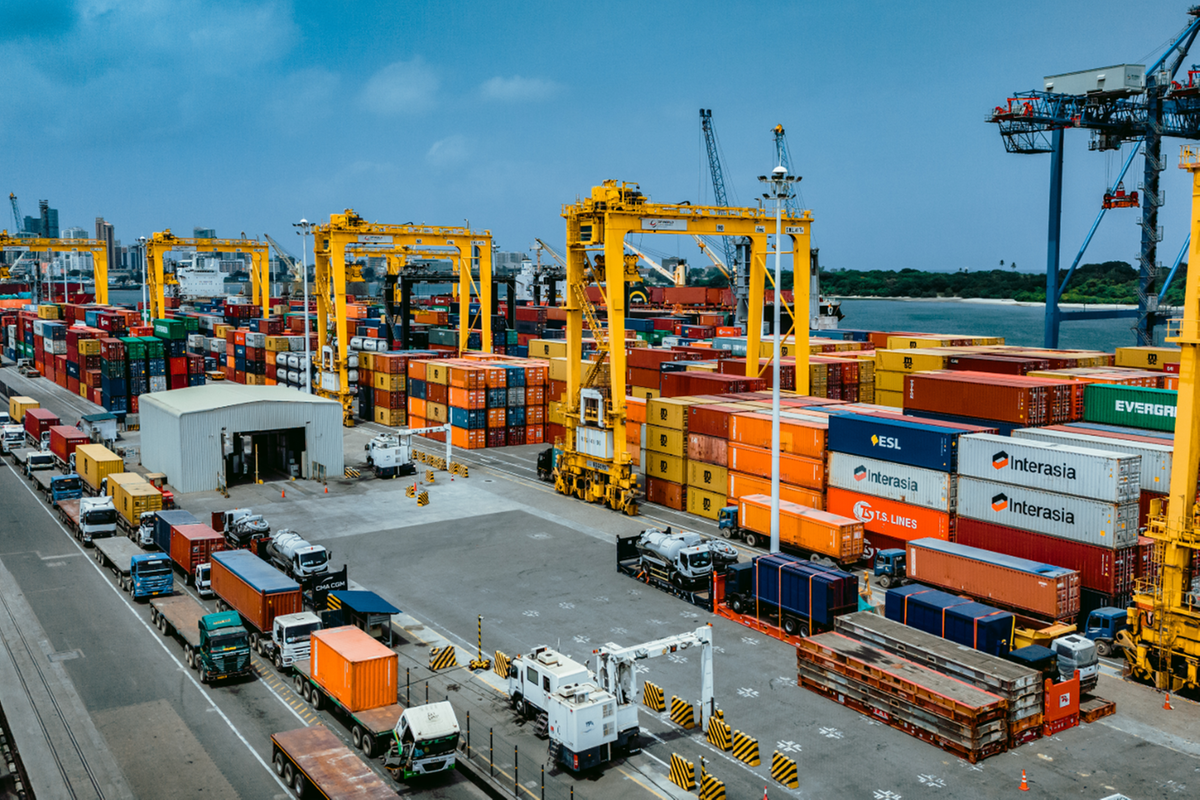
The Tanzania Ports Authority (TPA) has postponed the launch of a new Port Infrastructure Development (PID) fee, originally scheduled for March 8, 2026, to July 1, 2026, following concerns raised by stakeholders and the public.
The delay is intended to give businesses and port users more time to prepare for the changes while ensuring a smooth transition to the new fee structure.
TPA Director-General Plasduce Mbosa said the extension will allow domestic and international clients to honour existing contracts and adjust their operational plans. “The extension provides service providers with sufficient time to fulfil the terms of ongoing agreements up to June 30, 2026,” he explained, emphasizing that the authority’s goal is to strengthen port infrastructure while maintaining continuity for users.
Dr. George Fasha, Director of Marketing and Communications at TPA, highlighted that the fee was not unexpected. He said stakeholders had been consulted over the past six months, and their feedback incorporated into the final plan. Regulatory approval from the Tanzania Shipping Agencies Corporation (TASAC) was also obtained prior to the announcement. “These fees are aimed at improving port efficiency and infrastructure development, which is standard practice internationally,” Dr. Fasha noted
Also Read; Trump Appoints Erika Kirk to Air Force Academy Board
The PID fee is designed to fund long-term port expansion projects, including new berths, cargo-handling equipment, and environmental initiatives, ensuring that Tanzania’s ports remain competitive in the regional and global trade landscape. While the authority oversees strategic infrastructure development, commercial operations continue to be managed by operators who handle daily cargo logistics.
Although some importers and logistics companies had expressed concern about potential cost increases, TPA maintains that these investments are critical for reducing congestion, improving turnaround times, and supporting Tanzania’s broader trade competitiveness. Analysts suggest that transparent implementation, stakeholder consultation, and gradual introduction of such fees are crucial to avoid disruption to supply chains and maintain investor confidence.
The TPA has assured port users that consultations will continue in the lead-up to the July 1 start date, providing guidance on invoicing, compliance, and operational procedures. Authorities also highlighted that environmental and infrastructure levies are aligned with international standards, reinforcing Tanzania’s commitment to sustainable development in maritime operations.
By delaying the PID fee, TPA aims to balance the need for infrastructure investment with practical support for businesses and the public, ensuring that Tanzania’s ports continue to play a pivotal role in facilitating trade and economic growth across the region.