Joseph Isangura
Tanzania has pushed back against criticism surrounding its 2025 general election, arguing that the poll marked an important step forward in the country’s democratic journey, particularly because it was financed entirely through domestic resources and managed by national institutions.
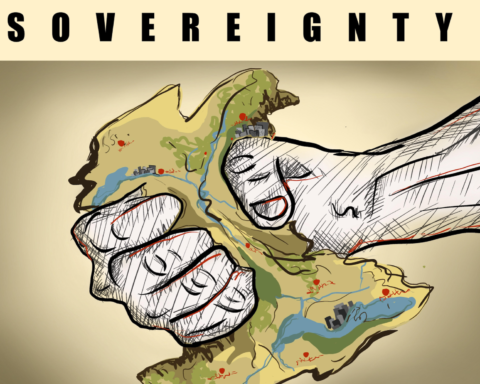
Speaking to diplomats and representatives of international organisations, President Samia Suluhu Hassan said the decision to fund the election locally reflected growing institutional confidence and political maturity. She noted that many emerging democracies still depend heavily on foreign assistance to conduct elections, making Tanzania’s approach a deliberate assertion of national ownership over its democratic processes.
The October 2025 vote was Tanzania’s seventh multiparty election since the reintroduction of political pluralism in the early 1990s, a period that has played a defining role in shaping the country’s modern political system. Government officials say sustained reforms over the years have strengthened electoral management bodies and expanded civic participation, even as challenges persist.
While defending the overall credibility of the process, President Samia acknowledged that the election period was accompanied by unrest in some areas. Incidents of violence were reported on voting day and shortly afterward, disrupting daily life and prompting security interventions. Authorities said the measures taken were aimed at restoring constitutional order and safeguarding citizens, members of the diplomatic corps, and foreign residents.
“No democracy is perfect,” the President said, framing the events as part of a broader learning curve. She stressed that elections are complex processes that often test institutions, public trust, and political leadership. Analysts agree that competitive elections, particularly in multiparty systems, frequently expose deeper social and political tensions.
Also Read; Africa Bears Climate Burden Despite Minimal Global Emissions
Assessments of the vote have been mixed. Some observer groups praised logistical organisation and voter turnout, while others raised concerns over transparency, dispute resolution mechanisms, and political conduct. Opposition parties continue to challenge the outcome, alleging irregularities, though the government maintains that legal avenues remain open for addressing disputes and that reforms are already under review.
Political observers note that Tanzania’s experience reflects broader debates across the continent, where governments are working to strengthen democracy in Africa while managing security risks, political polarisation, and rising public expectations. Similar post-election tensions have emerged in several African states navigating democratic consolidation amid economic and social change.
Looking ahead, President Samia has pledged to pursue legal and constitutional reforms aimed at improving electoral credibility and rebuilding confidence in public institutions. She emphasised that future reforms would be guided by dialogue and consultation rather than imposed unilaterally, underscoring the importance of inclusivity and national consensus.
democratic governance is not defined by a single vote, but by the ability of institutions to respond to challenges, learn from setbacks, and evolve in step with society’s expectations.