MWE Correspondent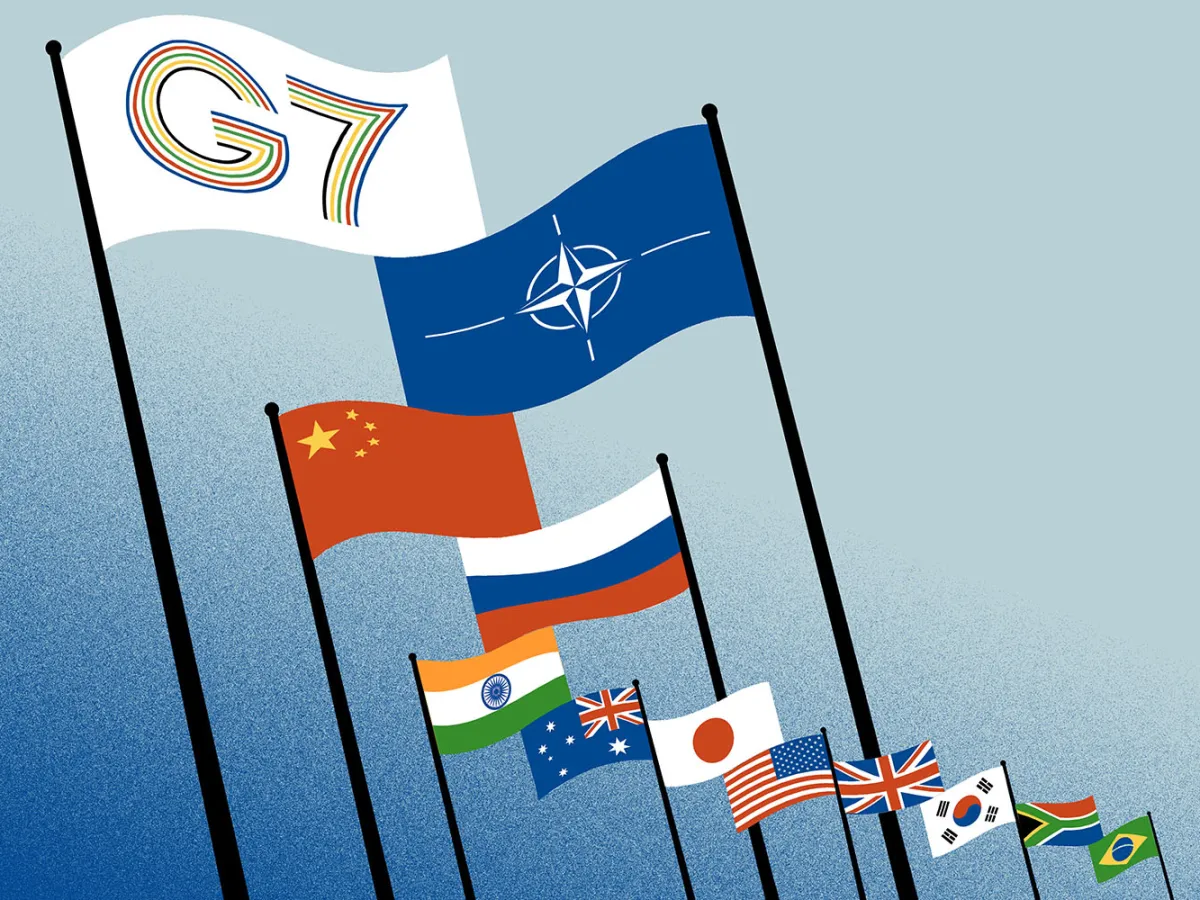
A subtle but important transformation is unfolding across the global stage, as countries continue to adjust their alliances in response to shifting economic and political realities.
What once appeared as stable partnerships are now evolving into more flexible, interest-driven arrangements, reflecting a world that is becoming increasingly multipolar.
This is not a breakdown of cooperation. It is a redefinition of it.
Recent developments show that major powers and emerging economies alike are recalibrating their relationships, focusing more on strategic benefits than long-standing alignments. This includes new trade agreements, defense cooperation frameworks, and economic partnerships that are designed to reflect current priorities rather than historical ties.
At the center of this shift is the concept of geopolitics.
Geopolitics today is no longer limited to territorial influence. It now includes control over trade routes, energy flows, technology, and financial systems. Countries are increasingly aware that influence is built not only through military strength, but also through economic positioning and strategic partnerships.
This is where alliances are becoming more dynamic.
Instead of rigid blocs, many countries are adopting a more flexible approach — cooperating with different partners across different sectors. A country may align with one group for trade, another for security, and another for technology. This layered approach allows for greater independence while still benefiting from international cooperation.
That is where multipolarity becomes more visible.
The global system is gradually moving away from a single dominant center of power toward a structure where multiple influential players coexist. This does not necessarily create instability. In many ways, it introduces balance, as no single power can fully dictate global outcomes.
Economic factors are playing a major role in this transition.
Trade agreements are being negotiated with a stronger focus on long-term strategic value. Energy partnerships are being restructured to ensure stability and security. Technology cooperation is becoming more selective, with countries prioritizing control over critical sectors such as digital infrastructure and data systems.
This reflects a broader shift toward strategic autonomy.
Strategic autonomy refers to the ability of a country to make independent decisions while maintaining beneficial international relationships.
Also Read; Global Supply Chains Adjust To New Trade Realitie
It is about reducing overdependence on any single partner and creating a more balanced external engagement strategy. This approach is gaining traction as global uncertainties continue to influence decision-making.
At the same time, cooperation remains essential.
Global challenges such as climate change, economic stability, and security risks cannot be addressed in isolation. Even as countries seek greater independence, they continue to rely on international frameworks and partnerships to manage shared issues. The difference now is that these partnerships are being structured more carefully.
There are also implications for global governance.
As alliances shift and new partnerships emerge, international institutions may need to adapt to reflect a more diverse range of voices. This could lead to gradual reforms in how decisions are made at the global level, ensuring that emerging powers have a more proportional role in shaping outcomes.
For businesses and investors, these changes create both opportunities and challenges.
New alliances can open markets, create investment pathways, and strengthen regional cooperation. At the same time, shifting relationships can introduce uncertainty, requiring careful analysis and adaptive strategies. Understanding the direction of geopolitical change is becoming essential for long-term planning.
The overall direction is becoming clearer.
The global system is not fragmenting — it is evolving into a more distributed structure. Power is being shared across multiple centers, and influence is being negotiated through a combination of economic strength, strategic positioning, and cooperative engagement.
The key point is not that alliances are weakening.
It is that they are becoming more purposeful.
And in that process, the balance of global power is being reshaped not through sudden shifts, but through steady, strategic realignment.