Joseph Isangura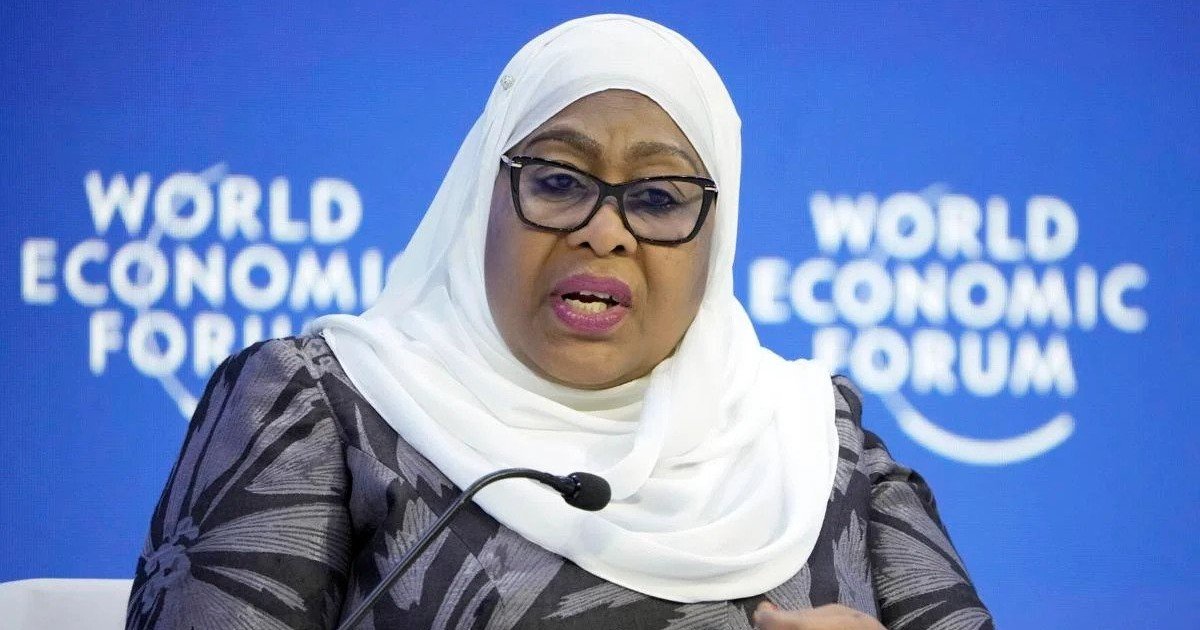
President Samia Suluhu Hassan today urged swift national action to safeguard Tanzania’s energy stability, amid rising global tensions involving Iran, the United States, and other international players that have sent crude prices surging and rattled energy markets.
Speaking in Dar es Salaam during the foundation-stone ceremony for a new national fuel storage facility, President Samia highlighted the urgent need to expand Tanzania’s strategic petroleum reserves to protect the economy from external shocks. She noted that recent geopolitical clashes in the Middle East have already pushed international oil prices higher, putting pressure on economies that depend on imports for refined fuel products. Analysts have linked these market movements to disruptions near the Strait of Hormuz — a key shipping lane through which much of the world’s oil transits.
“The unpredictable shifts in global politics remind us that energy security cannot be taken for granted,” President Samia said. “We pray that world leaders return to constructive dialogue so peace and stability can be restored. Meanwhile, Tanzania must be ready to manage its own future.”
Tanzania currently imports nearly all its petroleum products, underlining the vulnerability of its fuel supply infrastructure to international instability. Experts say that building robust storage capacity is a crucial hedge against sudden price spikes and supply chain disruptions that can reverberate through transportation, agriculture, and household budgets.
Global markets have felt the impact of the escalating tensions. Reports from industry sources show crude oil prices have climbed sharply, driven by military engagements and fears of wider regional conflict. Disruptions near strategic routes like the Strait of Hormuz have been especially influential, since a significant portion of the world’s crude shipments pass through this narrow channel.
Also Read; Saudi Arabia Denies Lobbying Trump to Attack Iran
Government officials say the new storage project will significantly increase the nation’s reserve capacity. By strengthening the country’s ability to hold fuel domestically, Tanzania aims to cushion itself from future price volatility and ensure critical services, from transportation to electricity generation, continue without interruption.
Economists note that for many developing economies, even small increases in oil prices can ripple through the economy — raising transport costs, inflating food prices, and putting pressure on fiscal budgets. These effects are felt most acutely by ordinary consumers reliant on imported energy products.
President Samia’s call for proactive planning reflects a broader trend among nations reassessing their energy strategies as global geopolitical risks escalate. Building strategic reserves is viewed as both an economic stabilizer and a signal to investors that long-term planning is underway to support national growth.
Tanzania’s renewed focus on energy resilience comes as leaders around the globe watch closely how tensions involving Iran and the United States evolve, and how those developments continue to influence global fuel markets and economic stability.