MWE Correspondent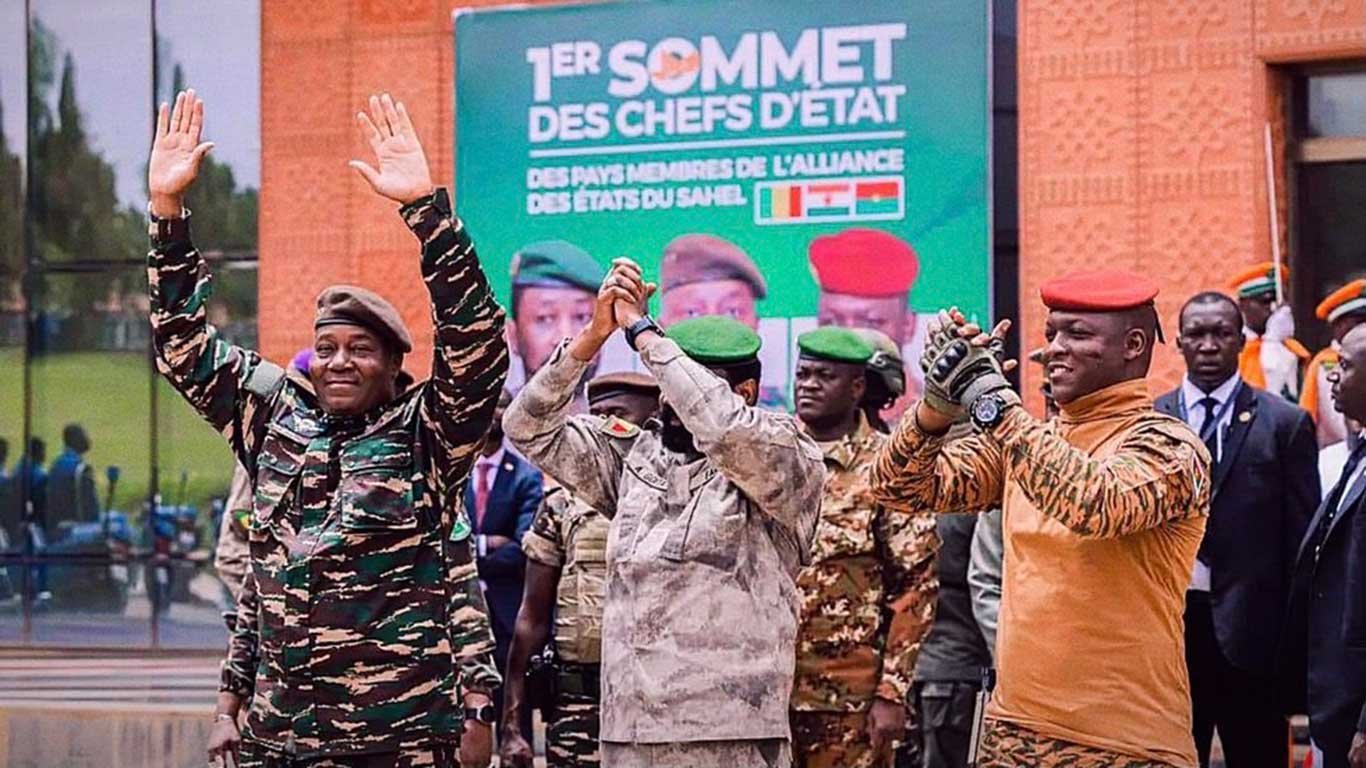
A new security chapter is unfolding in West Africa as military-led governments in the Sahel intensify cooperation outside traditional Western-backed frameworks.
Leaders in Mali, Burkina Faso, and Niger are strengthening their joint defense pact, signaling a decisive shift toward regional self-reliance in matters of security and counterterrorism.
The three nations, which formally established the Alliance of Sahel States in 2023, have accelerated military coordination in recent months. Joint patrols along shared borders, intelligence-sharing mechanisms, and synchronized counterinsurgency operations are now becoming routine. Officials argue that regional cooperation offers a more tailored and culturally informed response to extremist threats that have destabilized the region for over a decade.
For years, the Sahel relied heavily on Western military assistance, including French-led operations and international peacekeeping missions. However, dissatisfaction grew over perceived inefficiencies, prolonged insecurity, and what some leaders described as external interference in domestic affairs. The withdrawal of foreign troops from parts of the region has created both challenges and opportunities — challenges in filling immediate security gaps, and opportunities to reshape national sovereignty.
Also Read; U.S.–China Indo-Pacific Tensions Enter New Phase”
Citizens across the Sahel express mixed reactions. In some communities, there is cautious optimism that locally driven solutions may better reflect ground realities. In others, concerns remain about resources, equipment shortages, and the sustainability of independent military campaigns. Rural populations, often caught between armed groups and security forces, continue to seek stability above all else.
Analysts say the alliance represents more than a military arrangement. It reflects a broader political movement emphasizing sovereignty, regional identity, and reduced reliance on external powers. This shift aligns with wider conversations across Africa about economic independence, control of natural resources, and rebalancing international partnerships.
At the same time, the alliance faces significant hurdles. The Sahel remains one of the world’s most fragile security environments, with extremist groups exploiting porous borders and socio-economic grievances. Funding sustained military operations requires economic stability — something the region continues to struggle with amid sanctions, political transitions, and global inflationary pressures.
Regional bodies such as the Economic Community of West African States (ECOWAS) are closely monitoring developments, balancing concerns over constitutional governance with the urgent need for security collaboration. Diplomatic negotiations continue quietly behind the scenes to prevent further fragmentation in West African political relations.
For Mali, Burkina Faso, and Niger, the coming months will test whether regional solidarity can translate into measurable security improvements. Success would strengthen arguments for African-led solutions to African challenges. Failure could deepen instability in an already volatile corridor stretching from the Atlantic coast to the Red Sea.
What remains clear is that the Sahel is no longer waiting for external actors to define its security future. The region is attempting to chart its own path — one shaped by shared threats, shared borders, and a renewed determination to assert control over its destiny.