Joseph Isangura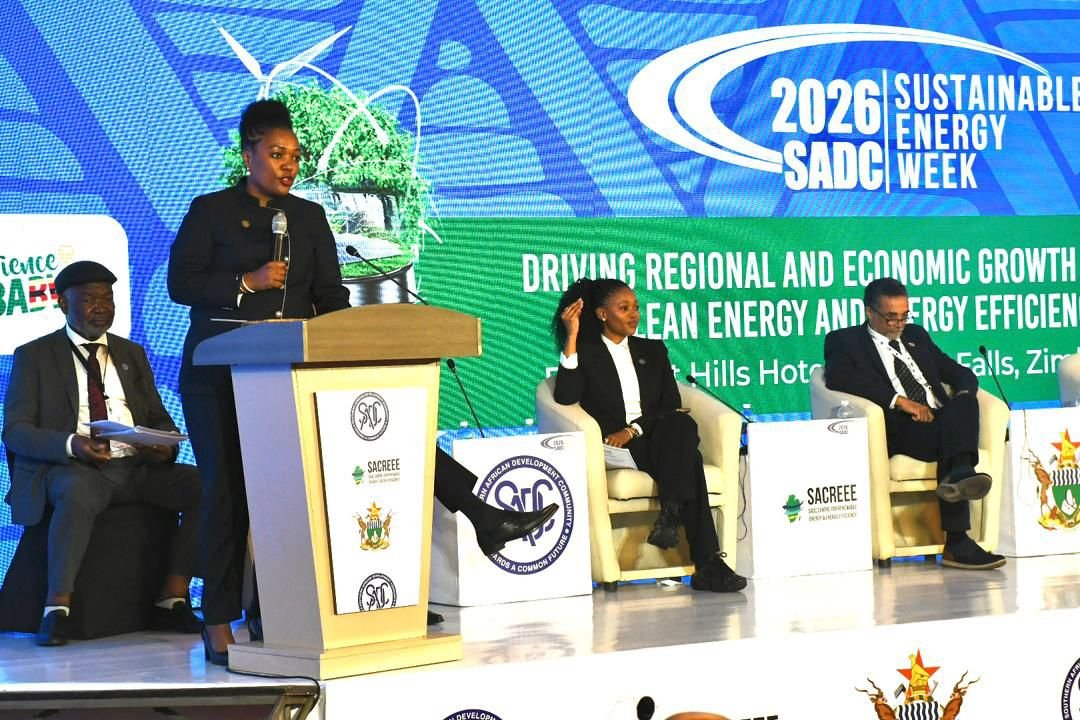
The Southern African regional bloc has commended Tanzania’s approach to expanding access to clean cooking energy, describing it as a practical and results-driven model that could be replicated across the region.
The remarks were made during a ministerial dialogue on sustainable energy held during the regional Sustainable Energy Week in Victoria Falls, Zimbabwe, from February 23 to 27, 2026.
Energy officials highlighted Tanzania’s efforts to accelerate the adoption of clean cooking solutions through tax relief on cooking gas equipment, targeted subsidies, and public awareness campaigns designed to encourage households to shift away from traditional fuels. The strategy forms part of a broader transition toward sustainable energy systems aimed at improving public health, protecting the environment, and supporting economic development.
Government representatives said the country aims to reach 80 percent adoption of clean cooking energy by 2034, with an interim national target of 75 percent by 2030. The initiative focuses on expanding access to alternatives such as gas and improved stoves while reducing dependence on charcoal and firewood, which remain dominant energy sources in many communities.
A key component of the strategy involves targeting large institutions that serve significant populations, including schools, markets, and training centers. Authorities have prioritized installing clean cooking systems in facilities serving more than 100 people at a time, a move officials say has already produced measurable results in reducing fuel consumption and indoor air pollution. According to energy experts, reducing reliance on traditional biomass fuels can significantly improve health outcomes by lowering exposure to harmful smoke.
Officials also emphasized the country’s broader energy expansion as a foundation for clean cooking adoption. Electricity access has now reached all registered villages on the mainland, raising national access levels to more than 85 percent. Increased electrification has opened new possibilities for modern cooking technologies, particularly in urban and peri-urban areas where electric cooking is becoming more viable.
Generation capacity has also grown significantly in recent years, reaching more than 4,400 megawatts, with long-term plans to expand capacity further by the end of the decade. The expansion is expected to support both industrial growth and household energy use, including the transition to cleaner cooking methods. Regional planners see such investments as critical to long-term development and energy security.
Regional leaders praised Tanzania’s approach, noting that clean cooking initiatives can deliver benefits beyond the energy sector. Expanding access to modern cooking solutions can reduce deforestation, improve public health, and create new economic opportunities in fuel distribution and equipment supply chains.
The Sustainable Energy Week gathering brought together policymakers, experts, and development partners to discuss strategies for expanding renewable energy and improving energy access across Southern Africa. Participants emphasized the importance of renewable resources as a driver of economic growth and encouraged stronger cooperation among African countries in developing modern and sustainable energy systems.
Observers say Tanzania’s experience demonstrates how coordinated policies, investment incentives, and public engagement can accelerate the transition to cleaner household energy.