MWE Correspondent
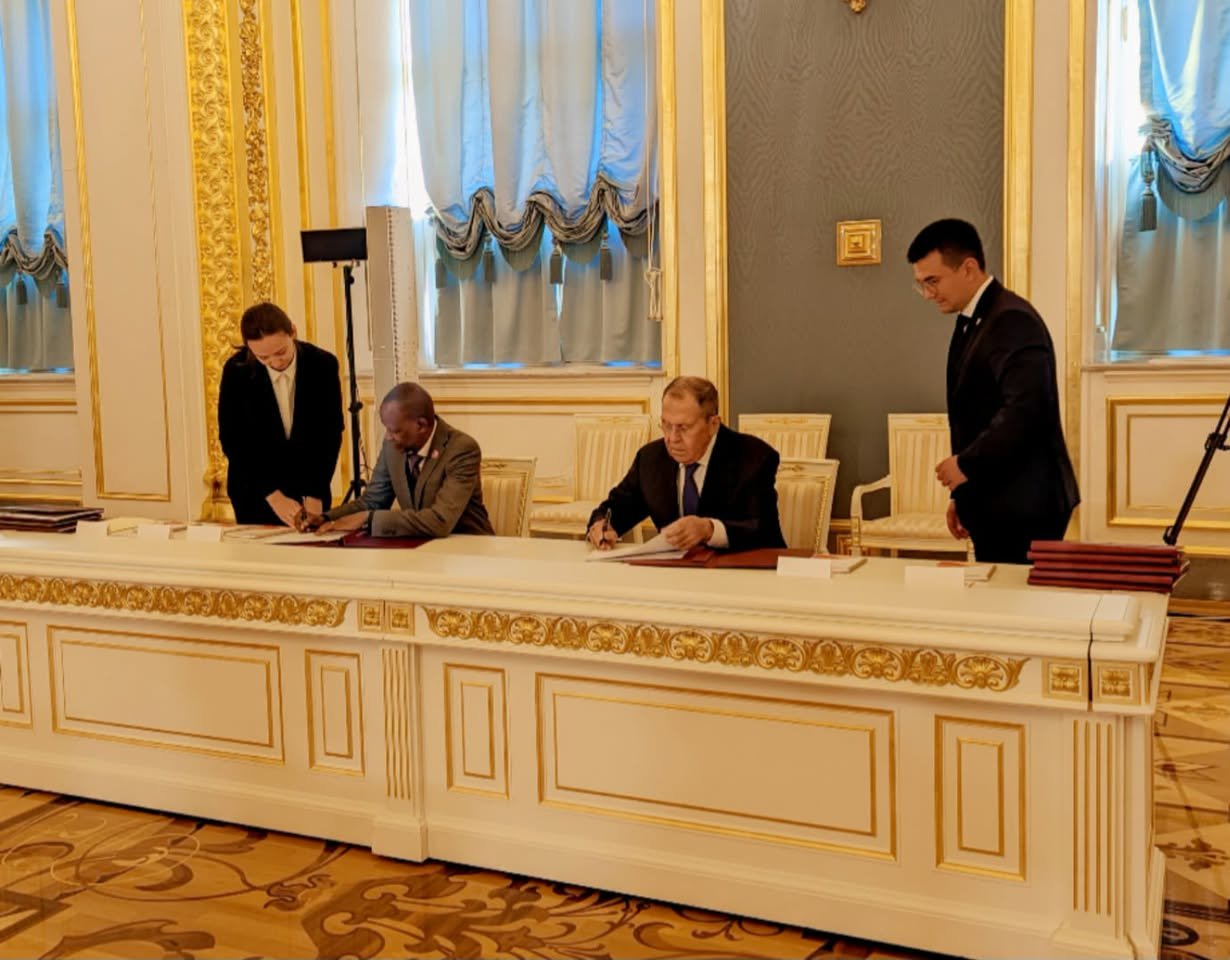
The third Russia-Africa Summit in Moscow has established a new framework for cooperation in energy, food security, agriculture, healthcare, education, trade and technology, creating opportunities for African countries to pursue investment, strengthen local industries and accelerate economic development.
Held on October 28–29, 2026, the summit brought together representatives from 48 African countries, including 22 represented by heads of state or government. It concluded with the adoption of three key documents: the Third Russia-Africa Summit Declaration, the Russia-Africa Partnership Forum Action Plan for 2027–2029 and a declaration on cooperation in the civilian use of artificial intelligence.
The agreements provide a foundation for expanding relations between Russia and African countries, with a particular focus on translating political commitments into practical development programmes.
Energy emerged as one of the important areas of cooperation, particularly as African economies seek reliable and affordable electricity to support industrialisation, mining, manufacturing and other productive activities. The summit framework identifies opportunities in nuclear energy, natural gas, hydropower and renewable energy, alongside investment in infrastructure and technical expertise.
For African countries, the potential benefits extend beyond increasing electricity generation. Cooperation in engineering, equipment manufacturing, technical training and maintenance could help develop local capabilities and reduce dependence on imported expertise. However, the economic value of these partnerships will depend on transparent financing arrangements, appropriate technology and the ability of countries to manage projects sustainably.
Food security and agricultural development also featured prominently. The cooperation framework identifies agricultural technology, fertiliser supplies, irrigation, land reclamation and the development of drought-resistant crop varieties as areas for collaboration. These priorities are particularly relevant to African countries facing climate-related pressures, rising production costs and the need to improve agricultural productivity.
Russia remains an important supplier of agricultural commodities and fertilisers to African markets. Figures presented during the summit indicated that Russia supplied more than 2.2 million tonnes of fertilisers to African countries between January and September 2026, compared with approximately 1.5 million tonnes during the whole of 2025.
Expanding cooperation in this sector could support African farmers through improved access to agricultural inputs and technologies. More importantly, joint fertiliser production, local distribution networks and investment in agricultural processing could help countries retain greater economic value within their own economies rather than relying primarily on imported finished products.
Also Read: Africa Must Be a Partner, Not a Political Subordinate
Healthcare and education represent another significant dimension of the partnership. The 2027–2029 Action Plan identifies opportunities for medical training, pharmaceutical production, scientific research and cooperation in disease prevention. Education partnerships could also expand academic exchanges and technical training, particularly in engineering, medicine, agriculture and advanced technologies.
The summit’s separate declaration on civilian artificial intelligence highlights the growing importance of digital transformation. Proposed areas of cooperation include specialist training, research, data analysis, machine learning and the development of digital technologies. If implemented with strong African participation, these initiatives could support public services, scientific research, agricultural monitoring and industrial productivity.
Trade and investment remain central to the partnership’s economic ambitions. Russia-Africa trade exceeded US$27 billion in 2025, according to figures presented by Russian President Vladimir Putin. Moscow has expressed interest in increasing that volume, while African countries are seeking broader markets for their products, investment capital and access to industrial technology.
The challenge for Africa is to ensure that increased trade does not simply expand the exchange of raw materials for manufactured goods. Greater attention to mineral processing, manufacturing, value addition and African-owned enterprises would allow countries to capture more benefits from their natural resources and create sustainable employment.
Regional cooperation is also gaining importance. On October 28, the Southern African Development Community (SADC) and Russia signed an action plan covering agriculture, food security, trade, investment, industrialisation, energy, mining, transport, information technology, education and healthcare. The agreement provides a regional framework through which member states can pursue joint initiatives and technical cooperation.
Nevertheless, the adoption of declarations and action plans does not automatically guarantee development outcomes. Some agreements provide broad frameworks that require further negotiations, financing arrangements and detailed implementation plans. African governments will therefore need to establish measurable targets, monitor project delivery and ensure that local businesses, workers and institutions participate meaningfully.
For countries such as Tanzania, the opportunities lie in identifying projects that respond directly to national development priorities, including electricity generation, agricultural productivity, fertiliser availability, industrialisation, skills development and digital innovation. Regional cooperation through SADC and other African institutions could also strengthen negotiating capacity and create wider markets for locally produced goods.
Ultimately, the success of the Russia-Africa partnership will depend on what happens after the summit. New factories, improved agricultural production, reliable energy, trained professionals, affordable healthcare and expanded African exports would provide stronger evidence of progress than diplomatic declarations alone.
The 2027–2029 Action Plan therefore presents an important opportunity for both sides to turn political commitments into practical economic cooperation, with Africa’s development priorities, productive capacity and long-term interests at the centre.