MWE Correspondent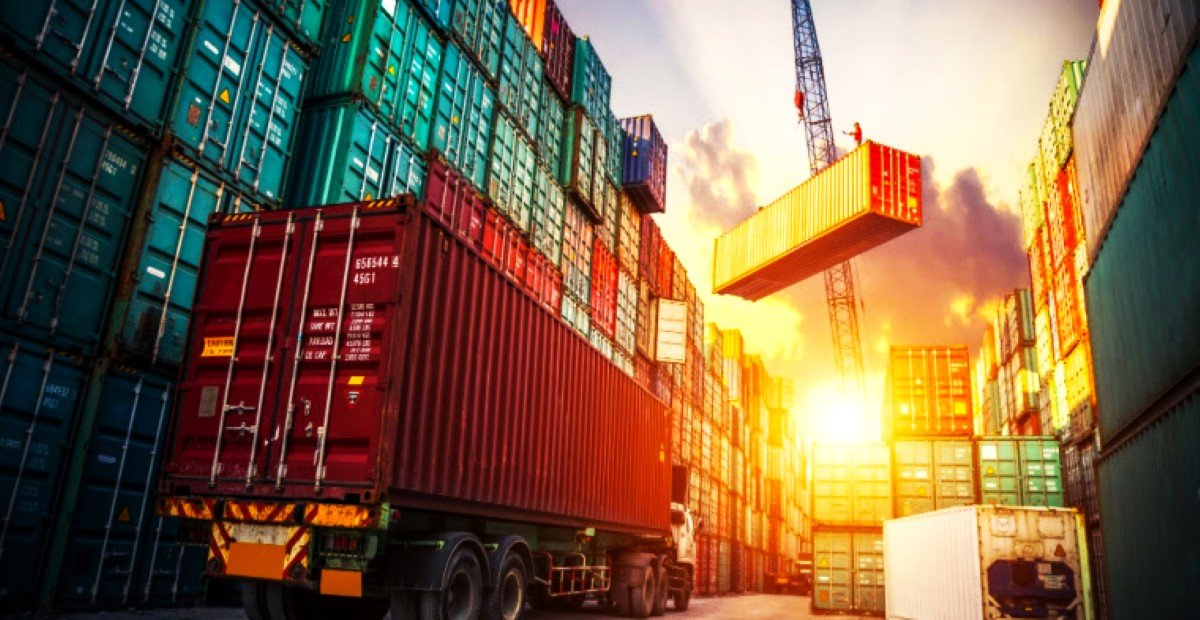
African economists and policymakers are intensifying calls for a fundamental shift in the continent’s trade strategy, warning that long-standing dependence on raw material exports continues to constrain economic transformation and long-term growth.
For decades, many African economies have participated in global commerce primarily as suppliers of unprocessed commodities—minerals, agricultural products and energy resources. While this model has generated export revenues, it has also exposed countries to price volatility and limited their ability to build diversified, industrial economies.
“The structure of trade matters as much as the volume,” said a West African economist. “If you export raw materials and import finished goods, you capture only a fraction of the value.”
This pattern has persisted despite Africa’s vast resource base. In sectors such as cocoa, coffee and cotton, the continent accounts for a significant share of global production, yet retains only minimal value due to limited processing and manufacturing capacity.
For instance, leading cocoa producers in West Africa export raw beans, while most chocolate production—and its profits—take place abroad. Similar trends are evident in textiles, where raw cotton is exported and finished garments are imported at higher cost.
Also Read: SADC Tightens Grip on Strategic Minerals Amid Rising Illicit Trade
Economists argue that reversing this trend requires a deliberate shift toward —a strategy focused on processing raw materials, expanding manufacturing and strengthening domestic and regional supply chains.
“Exporting more is not enough,” the economist emphasized. “The goal must be to export smarter—products that carry higher value and create jobs.”
Central to this transformation is , widely viewed as the engine for sustainable growth. By building manufacturing capacity, African countries can increase productivity, generate employment and reduce dependence on imports. However, progress remains uneven due to infrastructure deficits, limited access to finance and skills gaps.
Trade policy is also emerging as a key battleground. Some analysts argue that existing global trade frameworks have not adequately supported industrialization in developing regions, prompting calls for more strategic, domestically driven approaches.
The (AfCFTA) is increasingly seen as a cornerstone of this transformation. By creating a unified market across the continent, the agreement offers an opportunity to strengthen regional industries and reduce internal trade barriers.
“AfCFTA gives us a chance to rethink how we trade,” said a regional policy expert. “It is not just about increasing trade volumes, but about changing what we trade and how we produce.”
Attention is also shifting toward emerging sectors such as digital services and green industries, which present new avenues for diversification and participation in global value chains. However, unlocking these opportunities will require targeted investments in infrastructure, innovation and regulatory systems.
At the same time, policymakers are placing renewed emphasis on economic sovereignty—ensuring that African nations retain control over their resources, production processes and development pathways.
“We must move from dependency to self-determination,” noted an East African development analyst. “That means building systems that serve our economies, not simply adapting to external models.”
Despite persistent challenges, there are encouraging signs of progress. Several countries are investing in local processing industries, while others are introducing policies to support small and medium-sized enterprises. Regional cooperation efforts are also helping to align strategies and share best practices.
Observers caution that transformation will not happen overnight. It will require sustained political will, institutional reform and long-term investment.
Yet, there is growing consensus that the current trade model is no longer sufficient to meet Africa’s development ambitions.
“The opportunity is there,” the West African economist concluded. “The question is whether Africa can capture it.”