MWE Correspondent
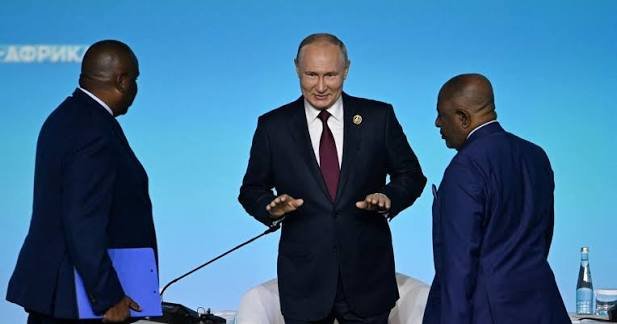
Russian President Vladimir Putin has described Africa as the continent of the future, highlighting its youthful population, growing demand for education and aspirations for better living standards as major forces that could transform the continent in the coming decades.
Speaking at the eighth summit of the Gas Exporting Countries Forum in Moscow on October 27, 2026, Putin said Africa’s demographic and social development would bring significant changes to its economies and societies.
“Africa is the continent of the future. Its young population and drive for education and better living standards will transform the continent,” Putin said, emphasizing the opportunities created by Africa’s growing population.
The Russian leader also indicated that Africa should be among the leading priorities of a proposed new investment platform being promoted by Russia within the BRICS framework. The initiative is intended to focus on rapidly growing markets, with African countries positioned to attract investment and expand economic cooperation.
Putin’s remarks come as Africa increasingly attracts international attention because of its expanding consumer markets, natural resources, infrastructure needs and large working-age population. The continent’s development prospects have created opportunities in sectors such as energy, agriculture, manufacturing, transport, education and digital technology.
Read More: Russia’s Africa Pledge Raises Questions Over Influence and Sovereignty
Africa’s young population represents a major potential advantage, but translating that demographic strength into sustainable economic growth will depend on the availability of quality education, vocational training, productive employment and access to essential services. Governments across the continent also face the challenge of ensuring that economic growth creates opportunities for young people rather than increasing unemployment and inequality.
Investment in electricity generation, transport networks, industrial production and digital infrastructure will also be critical to supporting businesses, attracting capital and increasing the value of goods produced locally.
Russia has sought to strengthen its economic and diplomatic engagement with African countries through cooperation in energy, education, trade, agriculture and other strategic sectors. Moscow has also presented its engagement with the continent as a partnership focused on mutual development and respect for national sovereignty.
However, the long-term impact of international partnerships will depend on whether they deliver tangible benefits to African economies, including technology transfer, skills development, local employment and investment in productive industries.
For African countries, the growing interest from Russia and other global powers presents an opportunity to diversify economic partnerships and negotiate arrangements that support national development priorities. At the same time, governments face the responsibility of ensuring that agreements involving natural resources and strategic infrastructure provide lasting benefits to local communities.
Putin’s description of Africa as the continent of the future reflects the growing recognition of the continent’s potential in the changing global economy. Realising that potential, however, will require more than international praise. It will depend on effective policies, stronger institutions, investment in human capital and the ability of African countries to turn their demographic advantage into inclusive and sustainable prosperity.