Joseph Isangura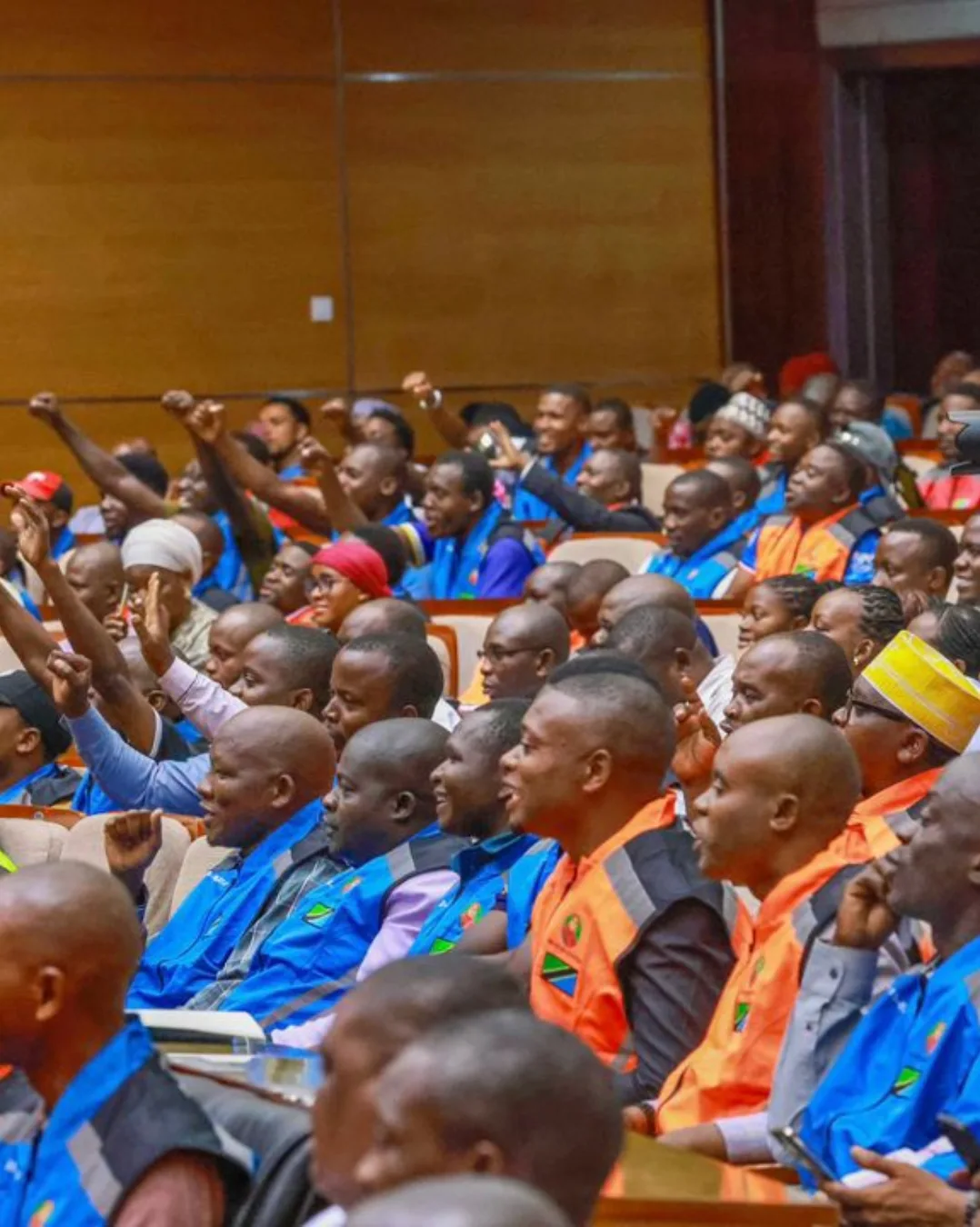
Tanzania’s Prime Minister, Dr. Mwigulu Nchemba, has reiterated the government’s firm position that jobs which can be performed by Tanzanians should not be assigned to foreign workers, stressing that all non-citizens seeking employment in the country must strictly comply with national laws, regulations, and guidelines.
Dr. Nchemba made the remarks on January 8, 2026, while meeting and listening to concerns raised by motorcycle taxi riders and three-wheeler drivers during the Annual Conference for street vendors and public transport operators. The forum brought together thousands of participants from the informal sector, offering a platform for direct engagement between government leaders and grassroots workers.
Addressing the gathering, the Prime Minister emphasized that protecting employment opportunities for citizens remains a key government priority. He said Tanzania welcomes foreign expertise where it is genuinely needed, but warned against situations where locals are sidelined from jobs they are fully capable of performing. According to him, such practices undermine economic empowerment efforts and fuel frustration among young people seeking livelihoods.
“The government’s responsibility is to ensure that Tanzanians benefit first from the opportunities available in their own country,” Dr. Nchemba said. “Foreigners who come to work here must respect our laws and follow the established procedures. There will be no tolerance for violations that deny citizens their rightful chances.”
He noted that the informal sector, including bodaboda and bajaji transport services, plays a crucial role in absorbing a large segment of the workforce, particularly urban youth. As such, safeguarding these livelihoods is essential for social stability and economic growth. He assured operators that the government will continue to create an enabling environment for small businesses while addressing unfair practices that threaten local employment.
Dr. Nchemba further warned that authorities will take a tough stance against individuals or entities that use loopholes to employ foreigners illegally. He said enforcement agencies have been directed to strengthen inspections and ensure that work permits and residency requirements are followed to the letter. Any employer found breaching these rules, he added, will face legal consequences.
Participants at the conference raised concerns about competition, rising operational costs, and alleged preferential treatment of foreign workers in some sectors.
Also Read; China Rejects Any Nation Acting as Global Enforcer
The Prime Minister acknowledged these concerns, saying they reflect broader anxieties about access to jobs and economic inclusion. He pledged that the government would continue engaging stakeholders to address such challenges through policy and enforcement.
Analysts say the Prime Minister’s remarks reflect a wider debate across many developing economies on balancing foreign investment with local job protection. While foreign skills can contribute to development, experts argue that strong labour regulations are necessary to ensure that citizens are not pushed out of the workforce. This discussion is closely linked to national policies on employment and labour protection.
The position also aligns with Tanzania’s broader labour framework, which outlines clear requirements for foreign workers and prioritizes skills transfer to locals. According to labour specialists, enforcing these rules helps build domestic capacity while maintaining fairness in the job market. Similar approaches are increasingly being adopted across Africa, where youth unemployment remains a major challenge.
Dr. Nchemba reminded participants that economic empowerment is a shared responsibility. While the government sets policies and enforces laws, citizens must also uphold discipline, professionalism, and compliance within their respective sectors. He urged transport operators to respect regulations and work cooperatively with authorities to improve services and safety.
The conference, held in Dar es Salaam, highlighted the importance of dialogue between policymakers and informal workers, whose contributions are often overlooked despite their significant role in urban economies. Observers note that such engagements strengthen trust and help shape responsive governance in Tanzania.