MWE Correspondent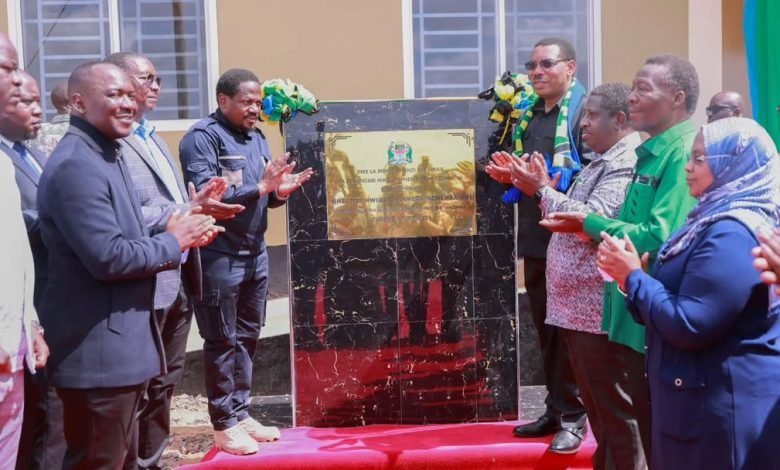
Prime Minister Mwigulu Nchemba has given the Ministry of Water a strict two-week deadline to complete the process of securing a contractor for the long-awaited Lake Chala water supply project, in a move aimed at accelerating access to reliable clean water for thousands of residents in northern Tanzania.
The directive was issued on February 19, 2026, during his official visit to Marangu-Kitowo ward in Rombo District, Kilimanjaro Region, where he met local residents and reviewed progress on several strategic development projects intended to transform the area’s infrastructure and social services.
Speaking to an attentive public gathering, the Prime Minister stressed that access to clean and safe water is not a privilege but a basic right that the government is determined to guarantee. He said unnecessary administrative delays in identifying a contractor must be resolved immediately so construction can begin without further postponement.
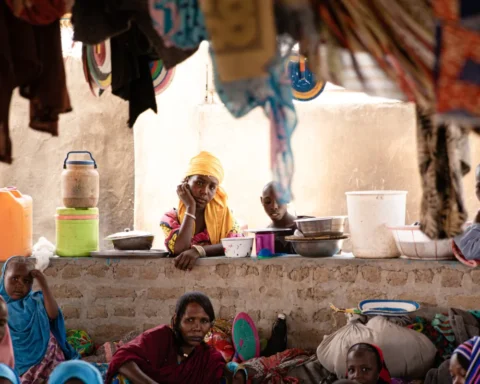
Lake Chala, a crater lake located on the border between Tanzania and Kenya, has long been viewed as a reliable source capable of supplying water to water-scarce communities across Rombo District and neighboring areas. The planned project is expected to reduce dependence on seasonal water sources and improve living standards, particularly in rural communities where women and children often walk long distances to fetch water.
The Prime Minister emphasized that the government is committed to ensuring all major public service projects are implemented efficiently and deliver tangible benefits to citizens. He said timely completion of the contractor procurement process will allow the project to move into its construction phase and ultimately help address persistent water shortages.
During the same visit, he also received progress reports on the construction of the Holili–Tarakea road, a key regional transport route expected to improve mobility, facilitate cross-border trade, and stimulate economic growth in northern Tanzania. Improved road infrastructure is widely seen as essential in unlocking the economic potential of agricultural communities and strengthening regional connectivity.
Also Read; Africa Becomes Battleground for Critical Resource Race
In addition, the Prime Minister laid the foundation stone for Stephen Moshi Technical Secondary School, an education project aimed at expanding access to technical skills among young people. He noted that investment in education infrastructure is vital for preparing the next generation to participate in the country’s industrial and economic transformation.
He reaffirmed the government’s broader commitment to strengthening essential services, including water, education, and transport, as part of its national development agenda. He said these projects reflect the leadership’s determination to improve people’s daily lives and create new economic opportunities.
Residents who attended the meeting welcomed the government’s intervention and expressed hope that the water project, once completed, will bring lasting relief to communities that have struggled with unreliable water supply for many years.
Experts say water infrastructure projects play a crucial role in public health, economic productivity, and social stability, especially in developing regions facing rapid population growth and climate-related challenges.
As the two-week deadline approaches, attention is now focused on whether the Ministry of Water will meet the Prime Minister’s directive and move the Lake Chala project into its next phase.
If implemented successfully, the project is expected to stand as a major milestone in improving water security and supporting sustainable development in northern Tanzania.