MWE Correspondent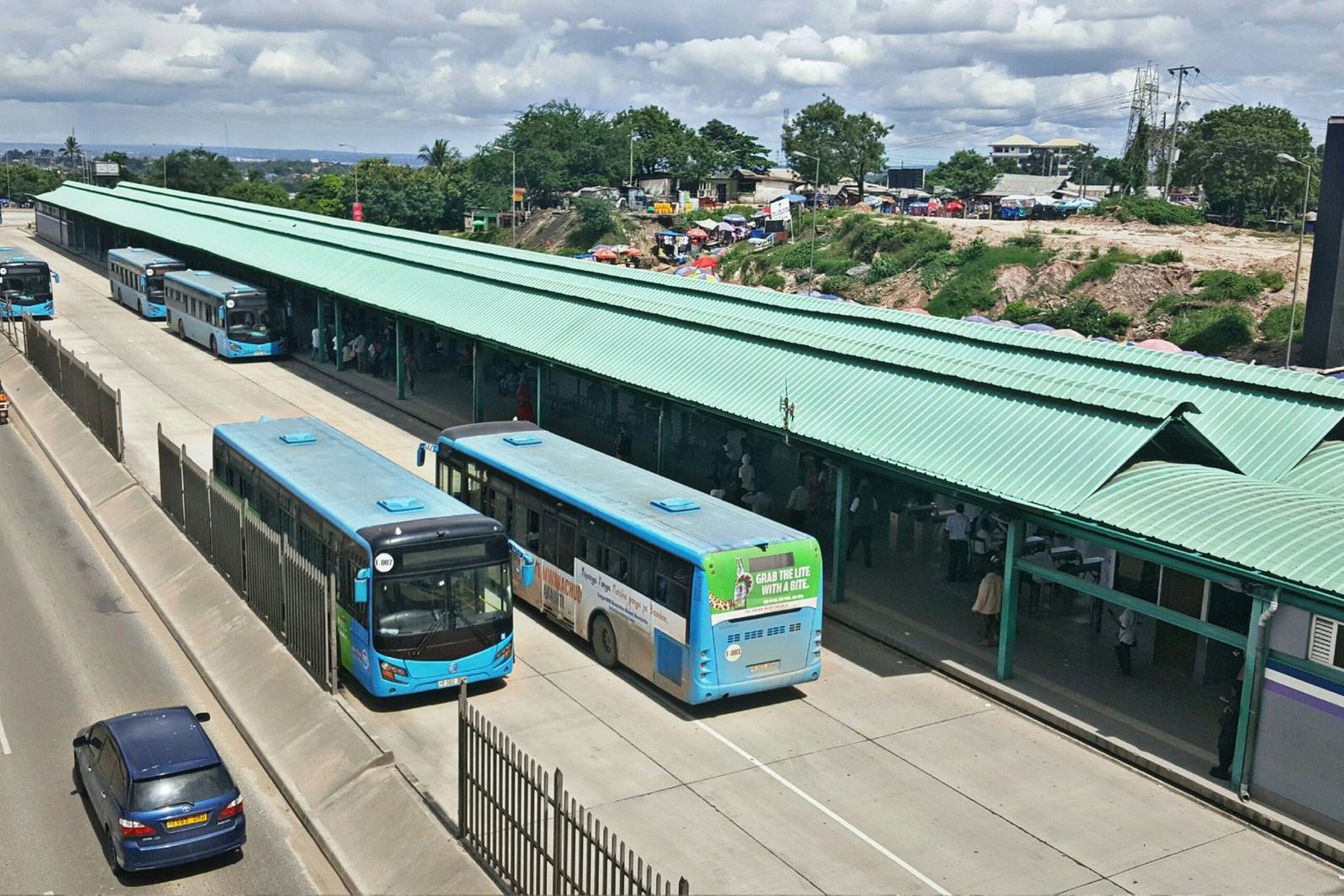
Police in Tanzania have announced a robust enforcement operation targeting motorists who continue to use Bus Rapid Transit (BRT) lanes illegally, saying the practice endangers lives and undermines broader efforts to improve urban transport safety.
Authorities disclosed the move during a press briefing on Saturday, January 31, 2026, as part of a larger initiative to reinforce road discipline across major city corridors.
The crackdown comes after weeks of public education and sensitisation campaigns aimed at drivers, motorcyclists, and informal operators, which officials say have had limited success in curbing violations. According to the Regional Police Commander, traffic officers will now shift focus from awareness to consistent enforcement, including arrests and prosecution of offenders who flout lane regulations.
“We have observed numerous motorcyclists and other road users driving in BRT lanes set aside exclusively for rapid buses. This not only contravenes traffic laws, but also jeopardises the safety of passengers and other commuters,” the commander told journalists. Police warned that unauthorised lane use could force buses to swerve or brake suddenly, increasing the risk of serious collisions.
In many cities around the world, dedicated bus lanes are critical to creating efficient public transport systems by minimising delays caused by general traffic congestion. A bus lane is a specially designated portion of the road exclusively used by buses and other authorised transit vehicles to speed up public transit, reduce travel times, and improve reliability.
Also Read; Government Expands Support for People With Albinism Nationwide
Officials emphasised that the BRT lane restrictions are not arbitrary but are designed to ensure a predictable, safe flow for high‑capacity buses, which carry large numbers of commuters during peak travel hours. Police noted that once enforcement begins in earnest, patrols will monitor key routes more closely, and violations will lead to citation, arrest, and eventual prosecution in court.
The persistent challenge of enforcing exclusive transit lanes is not unique to Tanzania. Around the world, urban transport systems adopting Bus Rapid Transit models have grappled with motorists encroaching on reserved corridors, diluting the benefits of these systems and eroding public trust. Effective enforcement, including physical barriers, fines, and visible policing, is often cited as crucial to maintaining the integrity of dedicated transit infrastructure.
Transport safety advocates say stricter policing of these lanes is necessary to reduce traffic accidents and make public transport more attractive and reliable. They argue that sustained compliance with lane regulations can shorten travel times, reduce crash risks, and encourage more commuters to choose mass transit over private vehicles. Observing road traffic safety rules is essential for protecting all road users and improving overall traffic efficiency.