Joseph Isangura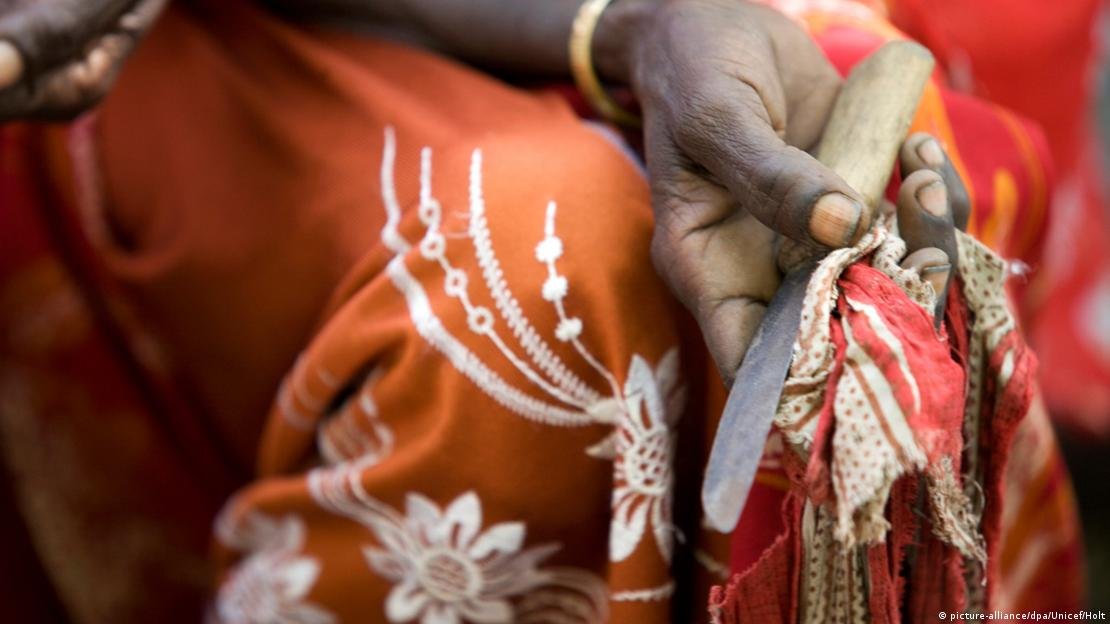
In the past month, more than 250 young girls have reportedly escaped attempts to subject them to female genital mutilation (FGM) in parts of Mara Region, where the practice remains disturbingly common.
The girls fled from two of the 13 wards dominated by the Kikurya community in the districts of Serengeti, Butiama, and Tarime, seeking refuge in safe houses run by local support organisations. Many of these escapes intensify during the December school holidays, when traditional initiation ceremonies are commonly held.
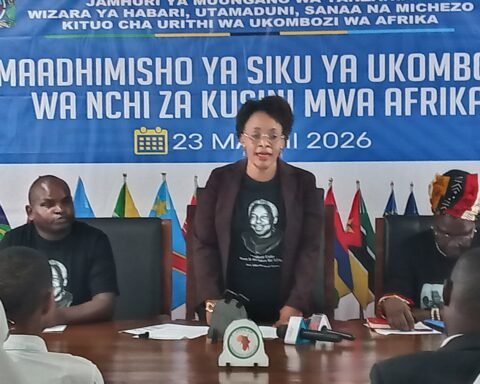
Rhobi Samuel, director of the nonprofit organization Hope for Girls and Women Tanzania, which works to combat gender-based violence, told reporters in Musoma that many children have been seeking shelter after leaving their homes to avoid undergoing the harmful procedure.
Samuel explained that one of the driving factors behind FGM in the region is economic. Some parents view their daughters as financial or social “assets,” and traditional elders reportedly use holiday seasons to select girls for initiation ceremonies, negotiating contributions from parents in exchange for participation.
The challenge is part of a broader national struggle. According to the most recent surveys, FGM prevalence among women aged 15–49 in Tanzania sits at around 8.2%. However, Mara Region continues to report higher rates, with estimates as high as 32 percent in some districts.
Safe houses and support centres have become critical lifelines for children fleeing imminent danger. Girls arriving at such shelters receive medical attention, counselling and psycho-social support, and in some cases continue their education while awaiting resolution. Over 3,000 girls have been assisted through similar programs in recent years.
Also Read; Global Malaria Deaths Rise Amid Growing Health Threats
Human rights advocates stress that FGM is a violation of fundamental rights — to health, bodily integrity, dignity and a future free from violence. It is illegal under Tanzanian law. Efforts to end the practice have included community sensitisation, legal enforcement, awareness campaigns, and promotion of alternative rites of passage.
Organisations on the ground emphasise that rescuing girls is only the first step. The longer-term battle involves transforming deeply rooted social norms, improving educational opportunities — especially for girls — and providing economic support so families are not tempted to view daughters as financial contributions to ritual rites.
Recent reports indicate progress in northern and central Tanzania, where FGM rates are gradually declining, thanks to collaboration between government agencies, civil society, and community elders. Yet, the flight of more than 250 girls in a single month shows how fragile these gains remain, especially when seasonal pressures revive traditional practices.