MWE Correspondent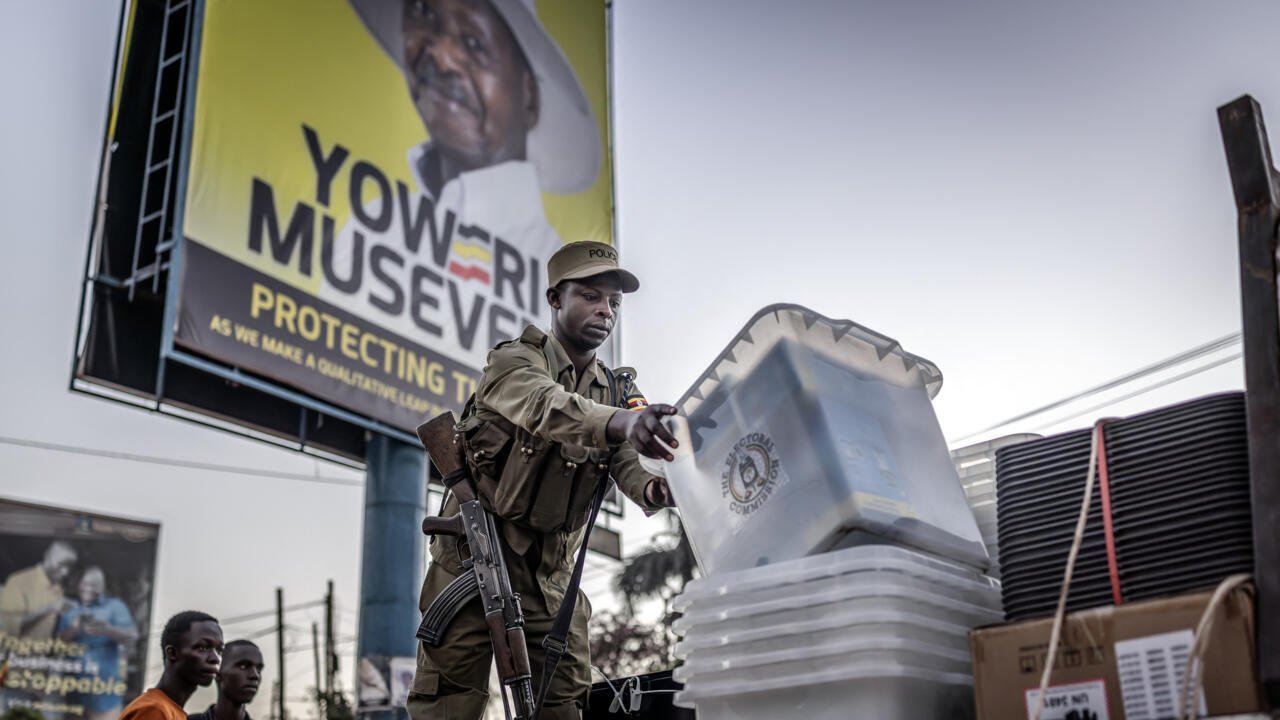
International election observers have voiced unease over the involvement of Uganda’s military in the conduct of the country’s recent general election, warning that public directives issued by senior defence officials could weaken confidence in the democratic process.
In their assessment of the polls, the observers pointed to remarks made by the Chief of Defence Forces, General Muhoozi Kainerugaba, who advised voters to leave polling stations immediately after voting and discouraged people from gathering around voting centres. While the guidance was presented as a measure to maintain order, observers said the timing and source of the message risked creating confusion about who was in charge of election management.
According to the observer mission, decisions and instructions related to voting procedures should fall solely under the authority of the Electoral Commission. They stressed that the role of the military should be limited to supporting lawful security operations when requested, not issuing public statements that could be interpreted as directing the electoral process.
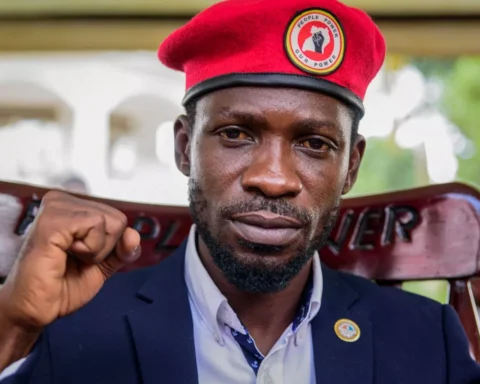
The concerns emerged as official results confirmed President Yoweri Museveni as the winner of the presidential election, securing a seventh term in office with 71.6 percent of the vote. His main challenger, opposition figure Robert Kyagulanyi, popularly known as Bobi Wine, finished second with 24.7 percent. The outcome has once again drawn regional and international attention to Uganda’s electoral environment.
The observer mission was led by former Nigerian president Goodluck Jonathan, who underscored the importance of keeping electoral administration firmly under civilian control.
Also Read; Museveni Declared Winner Of Uganda Presidential Election
The mission recommended that military leaders avoid issuing guidance on voting conduct, noting that such actions could unintentionally influence voter behaviour or be perceived as intimidation.
Observers cautioned that visible military involvement during elections can have lasting effects on public trust. In politically sensitive contexts, they said, even routine security measures may discourage citizens from fully exercising their democratic rights. Maintaining a clear boundary between security agencies and election authorities, they added, is essential for transparency and credibility.
Uganda has a long history of elections conducted under tight security, a practice authorities often defend as necessary to prevent unrest. Critics, however, argue that the heavy presence of armed forces can restrict political freedoms and civic participation. The latest criticism reflects broader debates about civil–military relations and democratic standards in the country.
From a regional perspective, analysts note that international principles on election monitoring consistently emphasize neutrality of the armed forces during electoral periods. Observers say adherence to these standards is vital not only for the legitimacy of election outcomes but also for long-term political stability.
The mission called on Ugandan authorities to clarify institutional roles ahead of future elections and to strengthen communication with the public to avoid mixed signals. They also encouraged continued dialogue among political actors to reduce tensions and rebuild confidence in the electoral system.ence.