MWE Correspondent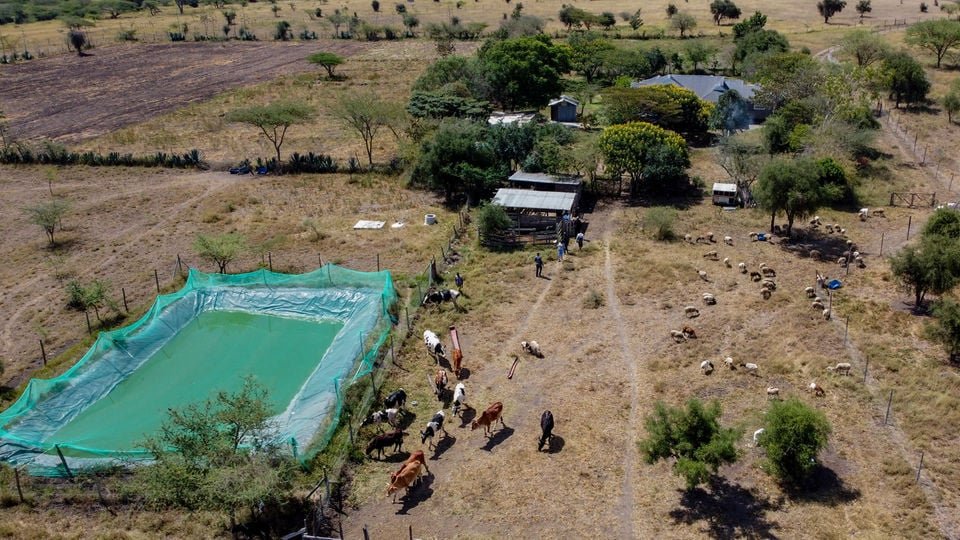
For decades, the Maasai community has depended almost entirely on livestock keeping as the foundation of its economy, diet, and cultural identity. Cattle, goats, and sheep have traditionally been more than just animals; they represent wealth, pride, and survival.
Today, however, the reality of a changing climate is forcing a gradual shift in how many Maasai families secure their livelihoods.
Across several pastoral areas, prolonged droughts and unpredictable rainfall have become more frequent. Grazing land has diminished, water sources have dried up, and livestock losses have increased with each dry season. For families whose survival depends on healthy herds, these changes have brought growing uncertainty and hardship.
Faced with these pressures, some Maasai communities are beginning to explore alternative ways of earning a living. One of the most notable shifts is the growing interest in fish farming, an activity that was once considered far removed from the Maasai way of life. What initially seemed unfamiliar is now being viewed as a practical response to environmental stress.
Small fish ponds are slowly appearing in areas historically dominated by open grazing land. With guidance from agricultural officers and community-based training programs, Maasai households are learning the basics of fish production, from pond construction to feeding and harvesting. While the transition has not been easy, early experiences suggest that fish farming can provide both food and income even when rainfall is low.
Community members say fish farming has helped reduce their dependence on livestock alone. Fish offer a steady source of protein for households and can be sold in nearby markets, creating income that is less vulnerable to drought. For families who have lost animals during dry spells, this new activity has offered a sense of security and hope.
Also Read; China Rejects Any Nation Acting as Global Enforcer
Elders acknowledge that the changing environment has made it necessary to rethink long-held practices. While livestock remain central to Maasai identity, diversification is increasingly seen as a way to protect families from hunger rather than a rejection of tradition. Younger members of the community, in particular, are more open to adopting new skills that can coexist with pastoral life.
Experts note that what is happening among the Maasai mirrors a wider pattern across Africa, where rural communities are adapting to the impacts of climate change. Rising temperatures and irregular weather are disrupting farming and pastoral systems, pushing communities to innovate in order to survive.
Fish farming, or aquaculture, is gaining attention because it can be practiced on small plots of land and does not require constant rainfall if water is well managed. When combined with rainwater harvesting and proper training, it can thrive even in semi-arid regions.
Still, specialists caution that long-term success depends on access to clean water, quality fish seed, and reliable markets. Without these, fish farming can face challenges such as disease or poor yields. Continued technical support and local cooperation are therefore seen as critical.
The Maasai are widely known for their strong attachment to land and livestock, as documented in studies on the Maasai people. Their gradual embrace of fish farming highlights how tradition and adaptation can coexist in the face of environmental change.