Joseph Isangura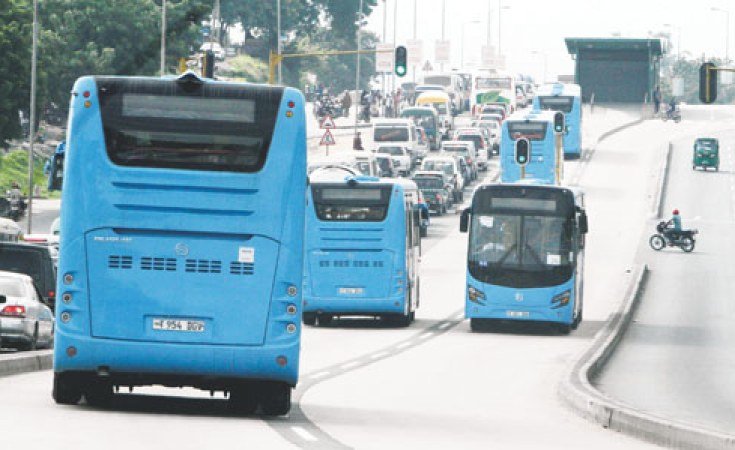
A proposal to limit public transport options along Dar es Salaam’s busy Kilwa Road has sparked fresh debate, with residents and transport stakeholders warning that removing smaller vehicles in favour of Bus Rapid Transit services alone could leave thousands of commuters stranded.
The operator running BRT services on the route has raised concerns about declining revenue since operations began in October 2025. According to the operator, passenger numbers have remained below expectations as many commuters continue to rely on daladala minibuses, motorcycle taxis, and three-wheeled vehicles that offer more flexible access to neighbourhoods away from main stations.
In response, the operator has submitted a formal request to the Land Transport Regulatory Authority seeking approval to remove minibuses, motorcycle taxis, and tricycles from Kilwa Road. The proposal would effectively make BRT buses the only public transport option along the corridor, a move the company says is necessary to stabilise operations and improve efficiency.
However, the suggestion has been met with resistance from commuters who say the reality on the ground tells a different story. Many argue that passenger demand along Kilwa Road is simply too high for rapid buses alone to handle, particularly during morning and evening rush hours. Residents point to frequent overcrowding and long waiting times even with the current mix of transport options in place.
Some commuters also cite past experience on Morogoro Road, where the removal of minibuses following the introduction of BRT services created serious transport difficulties. Long queues, delayed journeys, and congestion became common, forcing many residents to walk long distances or seek costly alternatives.
Also Read; United States Suspends Immigrant Visa Processing Worldwide
Affordability has emerged as a key concern in the debate. While BRT buses are often praised for comfort and order, they are also more expensive for many daily users. A typical BRT trip costs about Sh1,000, compared with Sh500 to Sh700 charged by minibuses and three-wheelers. For low-income residents who commute daily, the difference can significantly strain household budgets.
Transport analysts note that successful bus rapid transit systems in other cities usually operate as part of an integrated network rather than in isolation. Smaller vehicles often serve as feeder services, connecting residential areas to major transit hubs and helping to spread passenger loads more evenly.
There are also concerns about competition and service reliability. Stakeholders warn that allowing a single operator to control an entire transport corridor could reduce options for commuters if buses break down or services are disrupted. They argue that maintaining a mix of transport modes provides flexibility and resilience, especially in a fast-growing city like Dar es Salaam.
The regulatory authority has yet to announce a final decision, saying it is still consulting with affected parties before taking any action. Officials have emphasised that any changes will need to balance commercial sustainability with public interest and long-term planning goals.