MWE Correspondent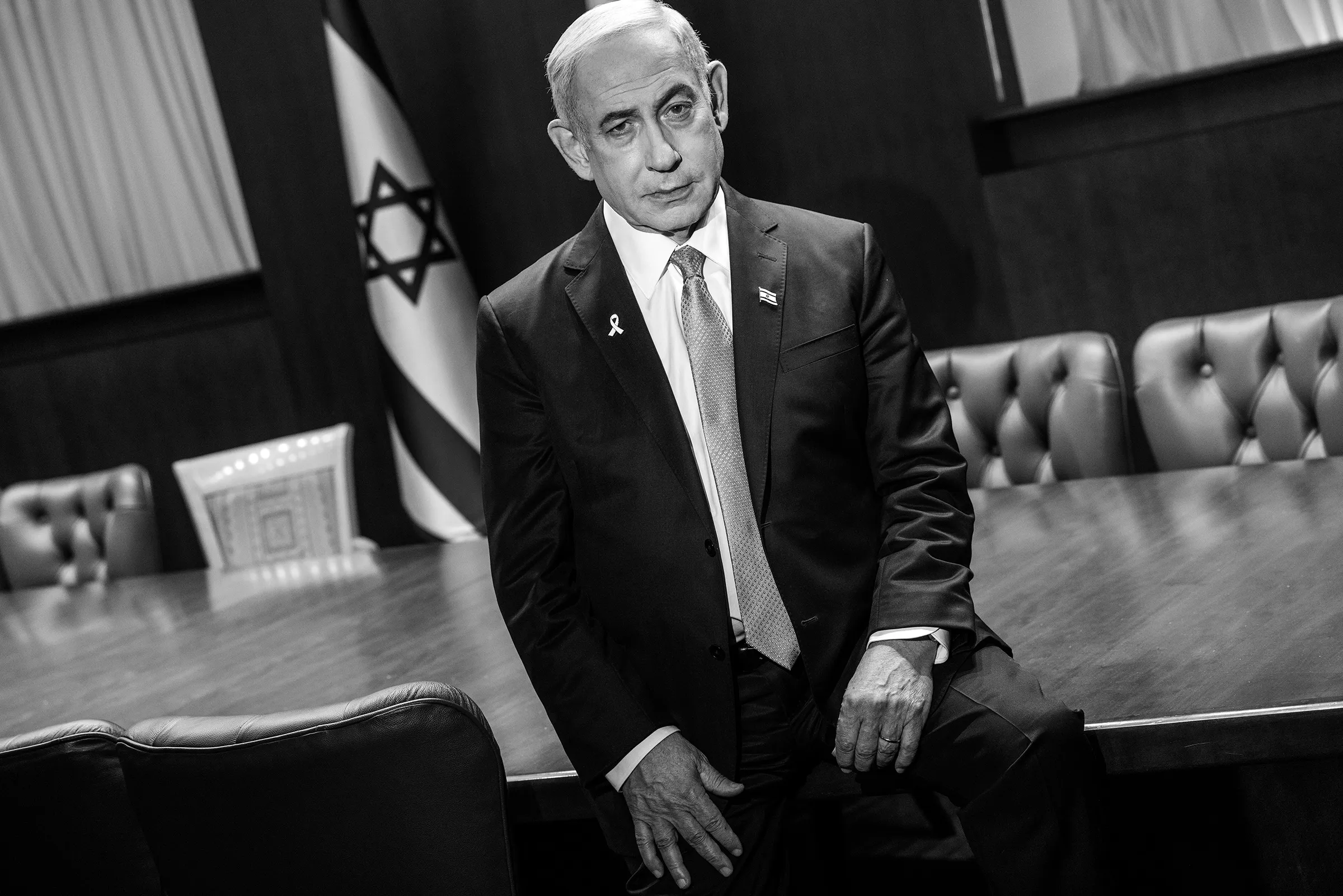
Israeli Prime Minister Benjamin Netanyahu has delivered one of his strongest statements yet on the future of the ongoing conflict, declaring that Israel alone will determine when the war ends—signaling a decisive shift in tone that is already reverberating across global diplomatic circles.
Speaking during a high-level briefing, Netanyahu stressed that the authority to conclude military operations rests squarely with the Israel Defense Forces, reinforcing the country’s long-held doctrine of strategic independence. His remarks come amid increasing international pressure for a ceasefire and renewed diplomatic engagement to halt escalating tensions in the region.
The statement has drawn particular attention due to its timing and its perceived distancing from traditional allies, especially the United States. While Israel and Washington have historically maintained close coordination on security matters, Netanyahu’s latest comments suggest a recalibration of that relationship. Indirect references to Donald Trump were interpreted by analysts as signaling that external political influence—past or present—will not dictate Israel’s military decisions.
According to regional experts, the declaration reflects mounting domestic pressure within Israel to maintain control over national security outcomes, particularly as the conflict continues to evolve. It also underscores growing skepticism among Israeli leadership toward international mediation efforts, which some officials believe may not fully align with the country’s security priorities.
Beyond its immediate political implications, the statement carries significant geopolitical weight. The ongoing Gaza Strip conflict has already triggered widespread humanitarian concerns, with global organizations warning of deepening crises affecting civilians. Netanyahu’s firm stance could further complicate efforts led by international bodies seeking a negotiated resolution.
Also Read; Egypt Reports New Western Desert Gas Discovery Boost
At the same time, the remarks are likely to influence broader Middle East dynamics. Countries in the region are closely monitoring Israel’s next moves, particularly as fears grow over potential escalation into a wider regional confrontation. Diplomatic sources indicate that behind-the-scenes negotiations are continuing, even as public rhetoric becomes increasingly assertive.
Security analysts argue that Netanyahu’s position may be aimed not only at external audiences but also at reinforcing confidence domestically, projecting strength and control at a critical moment. However, they caution that such an approach carries risks, including potential diplomatic isolation or strained alliances that could impact long-term strategic interests.
.Military operations continue, and the humanitarian situation remains a pressing concern for the international community. For now, Netanyahu’s message is unmistakable: Israel will chart its own course, determine its own timelines, and ultimately decide the outcome of the war—on its own terms.